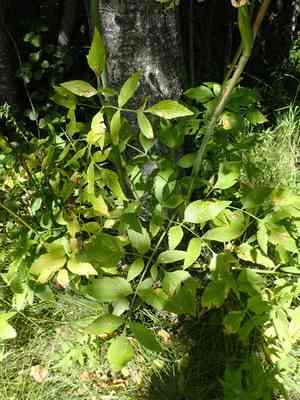
Lyall's angelica (Angelica arguta)
Also known as: Sharp Angelica
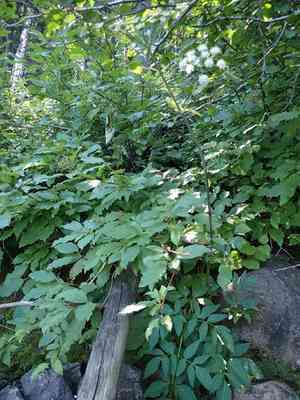
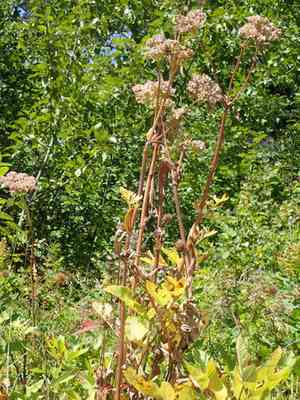
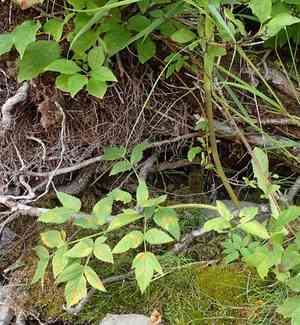
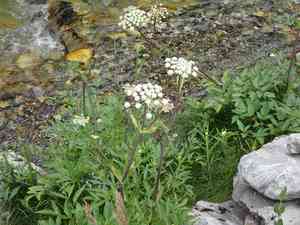
Lyall's angelica is a notable perennial herb characterized by its tall, hollow stems and expansive compound leaves. This plant typically thrives in moist, mountainous regions, particularly in the Pacific Northwest and Rocky Mountains. It features small white flowers arranged in umbrella-like clusters, which attract a range of pollinators. The finely divided, toothed leaflets are a distinctive feature, making the plant easily identifiable even when it is not flowering.
In This Article
Attributes of Lyall's angelica
Lifespan
Perennial
Plant Type
Herb
Plant Height
61 cm to 2 m
Spread
1 m
Leaf Color
Green
Flower Size
0.2 to 0.3 inches (0.5 to 0.8 centimeters)
Flower Color
White to greenish-white
Images of Lyall's angelica
Quickly Identify Lyall's angelica
1
Identifying Angelica arguta involves looking for its finely divided leaves and tall umbels of small white or greenish-white flowers. The plant has a robust, upright habit.
Scientific Classification of Lyall's angelica
Phylum
Vascular plants
Class
Dicotyledons
Order
Apiales
Family
Umbellifers
Genus
Angelica
Species
Lyall's angelica
Planting and Growing of Lyall's angelica
Care Difficulty
Moderate
Watering Schedule
Every 4 days
Sunlight Requirements
Partial sun
Sunshine Duration
6-10 hours
Ideal Temperature
60-75℉
Soil Type
Potting Mix, Peat Mix
Soil pH
6.5-7.5
Fertilizer Type
Balanced
Pruning Season
Spring, Summer
Pruning Area
Branches, Leaves
Pruning Frequency
2 times a year
Repotting Season
Spring
Pot Type
Plastic, Ceramic
 How to Water Lyall's angelica?
Angelica arguta requires watering that moistens the soil entirely but avoids water stagnation. Approximately 250 ml per session is sufficient, ensuring even distribution without leaving the roots waterlogged. The key is to maintain a consistently damp but not soggy substrate, mimicking its natural habitat conditions.
What are the symptoms of an underwatered Lyall's angelica?
›
What should I do if my Lyall's angelica is not getting enough water?
›
What are the symptoms of an overwatered Lyall's angelica?
›
How to save an overwatered Lyall's angelica?
›
 What Are the Sunlight Requirements for Lyall's angelica?
Partial sun is best for Angelica arguta as it supports robust foliage growth without causing stress. Adequate sunlight boosts photosynthesis, leading to a lush, healthy appearance.
Ideal Light Location
›
Natural Light Enhancement
›
Lighting Adjustment Strategy
›
 What Is the Ideal Temperature Range for Lyall's angelica?
The ideal temperature range for Angelica arguta is between 60°F and 75°F. This range provides the optimal environment for growth, ensuring that the plant can efficiently perform photosynthesis, maintain cellular function, and produce healthy foliage. Staying within this range maximizes the plant's vitality and resistance to disease.
 What Soil is Best for Lyall's angelica?
Angelica arguta thrives best in well-drained soils that allow water to pass through easily, preventing waterlogging and root rot. This type of soil ensures that the plant receives adequate moisture without becoming oversaturated, which can lead to healthier growth and more robust foliage. This species benefits significantly from soils that are rich in organic matter, as it provides essential nutrients that support vigorous growth. Incorporating compost or well-rotted manure can enhance the soil fertility, leading to lush and vibrant plant development. Angelica arguta prefers a soil pH between 6.5 and 7.5, which is ideal for nutrient uptake. Maintaining this pH range helps in facilitating nutrient availability and promotes optimal growth conditions for the plant, resulting in healthier foliage and better flowering.
 How to Fertilize Lyall's angelica?
Angelica arguta thrives best with a balanced approach to fertilization. For liquid fertilizers, a standard solution should be diluted to half the recommended strength to avoid over-fertilization, and applied once every two weeks. Slow-release fertilizers can be applied at a rate of around two to three pounds per 100 square feet annually, ensuring the nutrients are spread evenly across the soil.
 How to Prune Lyall's angelica?
Begin your pruning by identifying any dead, damaged, or diseased stems. Removing these first helps the plant redirect its resources to healthier growth and opens up space for new shoots. Trim the plant to maintain its natural shape. Focus on cutting back leggy stems to encourage bushier growth. This process not only enhances the appearance but also improves air circulation within the plant. After flowering, remove any spent flower heads to prevent the plant from wasting energy on seed production. This encourages the Angelica arguta to channel its energy into creating new, vibrant growth.
More About Pruning Techniques→
 How to Propagate Lyall's angelica plant?
1
Begin by filling seed trays with a seed-starting mix and gently pressing seeds into the surface. Cover with a thin layer of soil and water lightly to create a moist environment necessary for germination.
2
Select healthy stems for cuttings, ensuring they are disease-free. Use pruning shears to cut at a 45-degree angle, just below a node to encourage rooting.
3
For division propagation, lift the plant gently from its pot or ground. Carefully tease apart roots into sections that include both roots and shoots, ensuring each section is large enough to survive independently.
 How to Repot Lyall's angelica plant?
1
Angelica arguta signals it's time for repotting when you notice roots growing out of the drainage holes, or if the plant's growth appears stunted and the soil dries out quickly. These are key indicators that the plant requires more space for its roots to expand.
2
Select a pot that is 1-2 inches larger in diameter than the current one. This prevents excessive soil that holds too much moisture, which can lead to root rot. A pot with drainage holes is essential for preventing waterlogging, ensuring the roots remain healthy.
3
Opt for a well-draining soil rich in organic matter. This type of soil retains enough moisture to support the plant but drains excess water, providing a balance that supports root health and prevents rot. Enriched soil also offers nutrients aiding in robust growth post-repotting.
Learn More About Lyall's angelica Diseases
Anthracnose
Bacterial Leaf Spot
Bacterial Soft Rot
Bacterial Wilt
Crown Gall
Cyst Nematode
Damping-off
Downy Mildew
Fusarium Wilt
Gray Mold
Leaf Spot
Mosaic
Powdery Mildew
Root Rot
Root-knot Nematode
Rusts
Sooty Mold
White Mold
Chemical Injury
Drought Stress
Nutrient Deficiency
Nutrient Toxicity
Temperature Stress
Spider Mites
Thrips Damage



