How to Propagate Lyall's angelica?
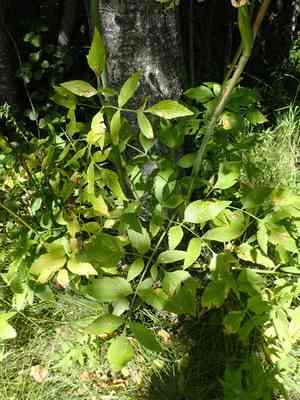
Lyall's angelica, a member of the Apiaceae family, flourishes in damp, adequately drained earth. For successful planting, it's advisable to utilize fresh seeds, given their superior sprouting potential. Gently abrade the seeds and distribute them in a ready seedbed. Maintain consistent soil moisture until sprouting begins. Adequate spacing enables the plant to reach its full development. Relocate the young plants to their permanent spot once several sets of true leaves have emerged.
What Is the Best Time To Propagate Lyall's Angelica?
Propagation Type
Sowing
Propagation Season
Spring
What Tools Are Used in Lyall's Angelica Propagation?
Seed Tray
A seed tray is vital for offering a regulated setting where lyall's angelica seeds can be planted and sprout. It aids in proper seed spacing and consistent moisture.
Potting Mix
A premium, well-draining potting mix is essential for the sprouting and development of lyall's angelica seeds. It should contain peat moss, perlite, and vermiculite for aeration and moisture retention.
Spray Bottle
A spray bottle is crucial for maintaining the humidity and moisture levels required by lyall's angelica seeds during germination. Gentle misting prevents dislodgement and ensures even water distribution.
Heating Mat
A heating mat helps maintain a steady, ideal temperature for lyall's angelica seed germination. This is especially important if the ambient temperature is not within the optimal range for these seeds.
Grow Lights
Grow lights provide a vital light source for lyall's angelica seedlings, particularly when natural light is insufficient. They encourage healthy growth and prevent leggy seedlings.
Plastic Dome or Cloche
Utilizing a plastic dome or cloche creates a humid environment beneficial for lyall's angelica seed germination. This tool helps retain moisture and warmth around the seeds.
Labels
Labels are used to mark seed trays with the name and sowing date of lyall's angelica. This ensures accurate identification and tracking of germination progress and growth stages.
Sterilized Containers
Using sterilized containers for sowing lyall's angelica seeds helps prevent fungal and bacterial contamination, which can harm seedling health and viability.
How to Propagate Lyall's Angelica?
Propagation Type
Easy
How to Care for Your Newly Propagated Lyall's Angelica?
How to Care for Your Newly Propagated Lyall's Angelica?
After transplanting, provide lyall's angelica with consistent moisture, avoiding waterlogging. Mulch around the base to retain soil moisture and suppress weeds. Fertilize sparingly with a balanced, slow-release fertilizer. Monitor for pests and diseases, and provide support if necessary as the plant matures.
Common Mistakes to Avoid When Propagating Lyall's Angelica
Improper Soil Preparation
Using soil that lacks adequate drainage or is excessively rich in nutrients can harm the plant's delicate root system.
Overwatering
Excessive water can lead to root rot and other fungal diseases, hindering the plant's growth and potentially killing it.
Incorrect Light Exposure
Placing lyall's angelica in direct sunlight for extended periods can cause leaf scorch, while insufficient light stunts growth and weakens the plant.
Ignoring Temperature Needs
Exposing lyall's angelica to temperatures that are too cold or too hot can stress the plant, causing poor development and even death.
Using Poor Quality Seeds or Cuttings
Starting with unhealthy seeds or cuttings can result in poor germination rates and weak plants that are more susceptible to disease.
Tips For Propagating Lyall's Angelica
Soil Choice
Use well-draining soil mixed with organic compost. This ensures the roots receive the necessary nutrients without waterlogging.
Watering
Only water when the topsoil feels dry to touch. Adequate, but not excessive, moisture promotes healthy root development.
Light Conditions
Provide bright, indirect light to ensure robust growth. If necessary, use grow lights to supplement natural light.
Temperature Regulation
Maintain a consistent temperature range suitable for lyall's angelica, avoiding extreme fluctuations to keep the plant stress-free.
Quality Starting Material
Use high-quality seeds or healthy cuttings from a robust parent plant to enhance the chances of successful propagation.



