How to Prune Filiform rockjasmine?
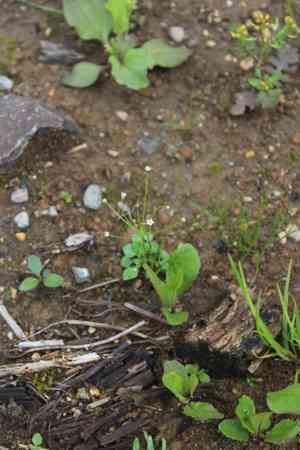
Originating from stony landscapes, this fragile perennial flourishes in mountainous gardens. Trimming filiform rockjasmine entails removing spent blossoms post-flowering to stimulate additional development. Cut away any lifeless or injured leaves in the early spring. Performing pruning during spring, summer, or autumn corresponds with its periods of vigorous growth. Refrain from extensive pruning; filiform rockjasmine benefits from a gentle approach to preserve its form and vigor. Appropriate pruning fosters abundant blooms and averts excessive density, thereby improving the plant's general well-being and visual attractiveness.
What Are the Benefits of Pruning Filiform Rockjasmine?
What Are the Benefits of Pruning Filiform Rockjasmine?
Trimming filiform rockjasmine promotes robust development by directing the plant's energy towards building a stronger framework. It also maintains a tidy appearance by shaping the plant and managing its size, enhancing overall health and visual appeal.
What Is the Best Time for Pruning Filiform Rockjasmine?
What Is the Best Time for Pruning Filiform Rockjasmine?
Pruning filiform rockjasmine in Spring coincides with the period after dormancy, encouraging new growth and boosting the plant's vigor. Early Summer trimming is perfect for shaping the plant and removing any diseased or weak stems, benefiting the plant's health and ensuring better air circulation. Early Fall pruning, post-flowering, helps prepare filiform rockjasmine for its dormant phase and can prevent potential damage from winter conditions. Pruning during these times avoids disrupting the plant's blooming cycle and ensures healing before extreme temperatures.
What Tools Do I Need to Prune Filiform Rockjasmine?
Precision Pruners
Given that filiform rockjasmine is a delicate alpine plant with slender stems, precision pruners or micro-tip snips are ideal for gently removing dead or damaged foliage without disturbing the surrounding plant material.
Small Scissors
Small scissors can be utilized for accurate snipping, especially for reaching into the dense growth of filiform rockjasmine without causing unnecessary harm to the plant's structure.
Tweezers
Tweezers might be useful for extracting dead leaves or debris from around the base of filiform rockjasmine without compacting the soil or harming its shallow root system.
Leaf Trimmers
Leaf trimmers are beneficial for thinning or shaping filiform rockjasmine when only a minimal amount of cutting is required, thereby preserving the plant's natural form.
Gloves with Tactile Fingers
Wearing gloves with sensitive fingertips helps protect both the gardener's hands and filiform rockjasmine's delicate structure during the pruning process.
How to Prune Filiform Rockjasmine
Clean Tools
Before starting the pruning process, ensure your pruning tools are clean and sharp to prevent disease spread and make precise cuts on filiform rockjasmine.
Inspect Plant
Examine filiform rockjasmine closely to identify withered leaves. These are typically discolored, dry, and may appear brown or yellow, indicating they are no longer viable.
Cut Withered Leaves
Using your clean and sharp pruning shears, carefully snip the withered leaves at their base, taking care not to harm the healthy stem or nearby growth.
Dispose Clippings
Carefully gather and discard the withered leaf clippings away from filiform rockjasmine. This will prevent any potential disease transmission and keep the area tidy.
Monitor Plant
After pruning, observe filiform rockjasmine for signs of new growth or additional withered leaves that may require future attention.
Common Pruning Mistakes with Filiform Rockjasmine
Overpruning
Removing an excessive amount of foliage from filiform rockjasmine can shock the plant, hindering its growth and diminishing its vitality.
Improper Tool Use
Using dull or unclean pruning shears can damage the delicate stems of filiform rockjasmine, potentially introducing disease.
Ignoring Plant Structure
Cutting without understanding the growth pattern or structure of filiform rockjasmine might result in uneven growth and a less aesthetically pleasing shape.
Pruning At Wrong Angle
Incorrectly angled cuts can create larger wounds that heal poorly, increasing the risk of disease for filiform rockjasmine.
Pruning Healthy Growth
Indiscriminately cutting back healthy growth can reduce the flowering potential of filiform rockjasmine.
Common Pruning Tips for Filiform Rockjasmine
Sharp Tools
Ensure pruning shears are sharp and clean to make precise cuts that will heal quickly, minimizing stress on filiform rockjasmine.
Selective Thinning
Carefully thin out overcrowded areas to improve air circulation and light penetration, which encourages healthy growth in filiform rockjasmine.
Shape Maintenance
Maintain the natural shape of filiform rockjasmine by pruning wayward or elongated stems, contributing to a more balanced and attractive plant.
Deadheading
Regularly remove spent flowers to stimulate filiform rockjasmine to produce more blooms and keep the plant looking tidy.
Light Pruning
Opt for a gentle touch when pruning filiform rockjasmine, as heavy pruning can delay or reduce flowering in the next season.



