How to Propagate Filiform rockjasmine?
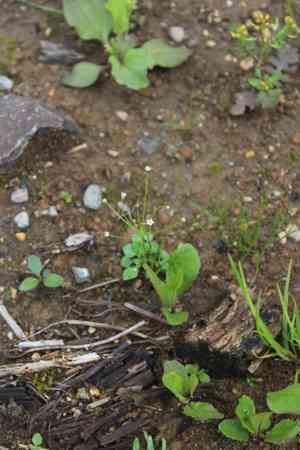
Filiform rockjasmine reproduces efficiently via seeding. To achieve successful sprouting, utilize a growing medium that drains well and ensure continuous dampness without oversaturation. Seeds ought to be sown on the surface, given their need for light to germinate. A clear covering can assist in preserving humidity, while still permitting light penetration. Careful handling of the fragile young plants is essential during relocation to prevent harm.
Optimal Time for Filiform Rockjasmine Propagation
Propagation Method
Seeding
Propagation Period
Spring
Tools for Filiform Rockjasmine Propagation
Seed trays
Seed trays offer a controlled setting perfect for planting filiform rockjasmine seeds. Their individual compartments allow for focused care and minimal disruption to the root system during initial growth, ensuring each seedling has ample space to thrive and increasing survival rates.
Sterile potting mix
A sterile potting mix is vital for the health of filiform rockjasmine seedlings, as it lacks pathogens and weed seeds. This environment safeguards the tender roots of filiform rockjasmine from diseases that could impede their development. The mix also ensures proper drainage and aeration, crucial for root growth.
Fine mist spray bottle
A fine mist spray bottle is essential for gently watering filiform rockjasmine seeds without disturbing the soil or dislodging them. The uniform moisture distribution from the mist aids in consistent seed germination and lowers the risk of fungal infections.
Dibber or seed dibbler
This tool creates precise, small holes or indentations in the soil for sowing seeds at an optimal depth. For filiform rockjasmine, achieving the correct depth is critical for successful germination. The dibber ensures planting uniformity, which supports synchronized seedling development and growth.
Clear humidity dome
A clear humidity dome fits over the seed tray to help maintain consistent humidity and temperature, both vital for filiform rockjasmine germination. The dome also shields the seeds from external elements, providing a stable environment for them to sprout.
How to Propagate Filiform Rockjasmine?
Propagation Type
Simple
Caring for Newly Propagated Filiform Rockjasmine
Caring for Newly Propagated Filiform Rockjasmine
Once filiform rockjasmine seeds have germinated and seedlings are established, gradually acclimate them to the outdoors if started indoors. Filiform rockjasmine prefers cool conditions and partial shade. Ensure consistent watering, especially during dry spells, but prevent waterlogging. Regular feeding with a balanced, diluted liquid fertilizer during the growing season can encourage healthier growth. Protect from extreme cold during winter to prevent freezing.
Common Propagation Mistakes for Filiform Rockjasmine
Overwatering
Excessive moisture can cause root rot in filiform rockjasmine, which thrives in well-drained soil. Constantly saturated soil can kill the delicate root system, impeding healthy growth.
Using large propagation containers
Starting filiform rockjasmine in overly large containers can lead to the soil retaining too much moisture around the roots, increasing the risk of fungal diseases and root rot.
Excessive handling of roots
The roots of filiform rockjasmine are particularly fragile and susceptible to damage. Excessive handling or disturbance during propagation can stress the plant, resulting in poor root development and reduced survival rates.
Tips for Propagating Filiform Rockjasmine
Use well-draining soil
For successful propagation, use a well-draining soil mix to prevent waterlogging and mimic filiform rockjasmine's natural rocky habitat. This promotes healthier roots and better growth.
Small containers for starting
Propagate filiform rockjasmine in small containers to maintain appropriate soil moisture levels. This helps prevent excess water retention, which can be detrimental to root health.
Handle roots minimally
Minimize handling and disturbance of filiform rockjasmine's roots during the propagation process to avoid physical damage. Gentle handling supports stronger root establishment and plant vitality.



