Enhancing Your Garden Design with the Filiform rockjasmine Plant: A Landscaping Guide
1
Filiform rockjasmine provides distinct visual advantages, making it a flexible option for diverse garden designs.
2
Optimal positioning and companion planting can enhance Filiform rockjasmine's aesthetic appeal.
3
Seasonal care and upkeep are crucial for Filiform rockjasmine's sustained presence in your garden.
Understanding the Role of Filiform rockjasmine in Landscaping
What makes Filiform rockjasmine a unique choice for gardeners?
What distinguishes Filiform rockjasmine in horticulture is its remarkable capacity to flourish in specific environments and its minimal care requirements. Originating from rocky terrains, it excels in well-draining substrates and can endure various weather patterns. This hardiness makes it an excellent option for those seeking low-maintenance yet striking additions to their outdoor spaces.
The aesthetic benefits of incorporating Filiform rockjasmine in your garden
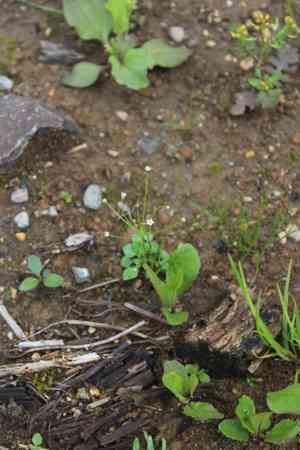
Filiform rockjasmine presents a delicate and refined look that can elevate any garden's visual appeal. Its small, clustered blossoms can introduce a subtle color accent without overpowering the existing design. These blooms are perfect for gardeners aiming to craft a harmonious and balanced outdoor area. The plant's compact size also makes it superb for filling voids and adding intricate details to larger landscape schemes.
How does Filiform rockjasmine interact with other plants in a landscape setting?
Within a landscape, Filiform rockjasmine can act as a complementary species, enhancing the visual and ecological qualities of other flora. Its small, white flowers offer a beautiful contrast to larger, more vibrant blooms and can form an attractive foreground for taller plants. Furthermore, Filiform rockjasmine can aid in improving soil health and preventing erosion, making it a beneficial component of any garden ecosystem.
Planning Your Landscape with Filiform rockjasmine
Choosing the right location for Filiform rockjasmine in your garden
Selecting the perfect spot for Filiform rockjasmine is vital for its prosperity. This plant favors areas with ample sunlight and well-drained soil to prevent waterlogging, which can hinder its growth. Consider placing Filiform rockjasmine in rockeries, elevated beds, or as accents along garden paths where its delicate flowers can be easily appreciated.
Pairing Filiform rockjasmine with other plants: A compatibility guide
When combining Filiform rockjasmine with other plants, select companions that thrive in similar conditions. Low-growing groundcovers, alpine species, and other rock garden plants make excellent partners. The key is to ensure chosen plants share Filiform rockjasmine's preference for well-drained soil and sunny locations, fostering a harmonious and healthy garden environment.
Seasonal considerations for Filiform rockjasmine placements
Seasonal shifts significantly impact Filiform rockjasmine's well-being. Spring and early summer are optimal for planting, as moderate temperatures and increased rainfall support root establishment. In areas with harsh winters, mulching around the plant can help protect it from extreme cold and frost. During hot summers, adequate watering and partial shade during the day's peak heat can ensure Filiform rockjasmine remains healthy and vibrant.
Creative Ideas for Integrating Filiform rockjasmine in Outdoor Spaces
Filiform rockjasmine in rock gardens: Maximizing visual impact
Rock gardens offer the ideal environment for Filiform rockjasmine to flourish. The plant's natural habitat is often rocky and well-drained, making it a perfect fit for these features. By arranging rocks of various sizes and incorporating Filiform rockjasmine among them, you can create a visually stunning landscape that mimics natural alpine settings. The contrast between rugged rocks and delicate flowers adds a dynamic and textural element to your garden.
Water features and Filiform rockjasmine: Enhancing serene spaces
Incorporating Filiform rockjasmine around water features like ponds, fountains, or streams can heighten the tranquil quality of these areas. The plant's soft, delicate blossoms can add a touch of serenity and grace, complementing the calming nature of water. Ensure the area remains well-drained, as Filiform rockjasmine thrives best in such conditions.
Using Filiform rockjasmine in border and pathway designs
Filiform rockjasmine is an excellent choice for edging borders and pathways, providing a neat and charming finish. Its compact size means it won't overgrow or crowd adjacent plants, while its attractive flowers will draw attention to transitions between different garden areas. Placing Filiform rockjasmine along path edges can create a welcoming and visually appealing guide for visitors navigating the garden.
Maintaining Filiform rockjasmine in Your Landscape
Basic upkeep tips for Filiform rockjasmine
Maintaining Filiform rockjasmine involves ensuring it has the correct growing conditions: well-drained soil, sufficient sunlight, and occasional watering during dry periods. Removing spent flowers can encourage further blooming and keep the plant looking neat. Regularly checking for any signs of pests or diseases and addressing them promptly will also help maintain the plant's health and appearance.
Addressing common challenges with Filiform rockjasmine
One primary challenge with Filiform rockjasmine is preventing waterlogging, which can lead to root rot. Ensuring proper drainage is crucial. If you encounter pests like aphids or spider mites, using natural pest control methods or mild insecticidal soaps can be effective. Monitoring for signs of fungal infections and providing good air circulation around the plant can prevent many common issues.
When is the best time to plant and relocate Filiform rockjasmine?
The optimal time to plant or move Filiform rockjasmine is during the cooler months of spring or fall when the plant is not actively blooming. These conditions allow the plant to establish roots before the more extreme weather conditions of summer or winter set in. If you need to relocate Filiform rockjasmine, do so gently and ensure the new spot meets its growing requirements for light and soil drainage.



