How to Prune False neststraw?
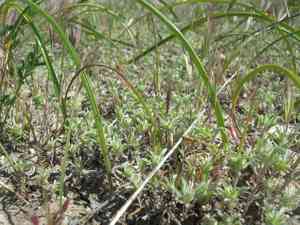
False neststraw, a ground-hugging perennial recognized for its spreading growth and tiny, fuzzy leaves, flourishes with infrequent trimming. The best times for pruning are during spring, summer, and autumn. Trimming should concentrate on eliminating withered or injured leaves to foster robust development and air circulation. Consistent, gentle shaping can also preserve its dense form and avert excessive expansion. This upkeep not only improves its aesthetic but also stimulates energetic growth, guaranteeing a sturdy plant.
Advantages of Trimming False Neststraw
Advantages of Trimming False Neststraw
Trimming false neststraw encourages robust development and maintains its compact form. Regular cutting helps revitalize the plant, ensuring it remains visually appealing and manageable in garden areas.
Optimal Period for Pruning False Neststraw
Optimal Period for Pruning False Neststraw
Pruning in Spring enables false neststraw to establish a strong growth structure before its primary growing season, typically from late spring through summer. This timing stimulates new growth that will mature and potentially bloom the same year. Summer pruning is useful for shaping the plant or managing its size after the initial spring growth surge, which also helps redirect energy to fewer, healthier branches, thereby enhancing overall vigor. Fall pruning is appropriate for removing any dead or diseased foliage, preparing false neststraw for dormancy and reducing the chance of disease transmission into the subsequent growing season.
Necessary Tools for Pruning False Neststraw
Hand Pruners
Perfect for precise cutting of stems and branches on false neststraw, especially given its typically fine, slender branches. Hand pruners are ideal for making clean cuts without harming the delicate structure of false neststraw.
Pruning Shears
Most suitable for shaping and controlling the growth of false neststraw, allowing for more detailed work around the plant's small foliage. Appropriate for snipping smaller branches to maintain the desired shape and promote healthy growth.
Garden Scissors
These are particularly effective for reaching difficult areas without disturbing surrounding plant parts. Garden scissors can be used for deadheading spent flowers on false neststraw, ensuring better growth and bloom production.
How to Prune False Neststraw
Identify
Locate the withered or dead leaves on false neststraw. These leaves are typically discolored, dry, and may be curled or drooping.
Sanitize
Disinfect your pruning tools before starting. Use a 10% bleach solution or rubbing alcohol to clean pruning shears to prevent disease spread.
Cut
Snip the withered leaves at their base where they connect to the stem. Use sharp pruning shears for a clean cut, which will help false neststraw heal quicker and prevent damage.
Dispose
Properly discard the removed leaves. Do not compost diseased or infested plant materials as this could spread issues in your garden.
Inspect
Examine false neststraw for any signs of pests or diseases after pruning. Early detection and treatment can prevent further harm.
Common Pruning Errors with False Neststraw
Overpruning
Cutting back too much of false neststraw's foliage at once can shock the plant, potentially leading to poor growth and reduced vitality.
Improper tool use
Using dull or unclean pruning tools can damage false neststraw's delicate stems, making them susceptible to disease and pest infestations.
Neglecting plant form
Ignoring the natural shape of false neststraw during pruning can result in a less aesthetically pleasing plant and hinder its growth patterns.
General Pruning Advice for False Neststraw
Selective cutting
Focus on removing only the weak, diseased, or overcrowded stems to maintain false neststraw's health and improve air circulation within the plant.
Sharp tools
Always use sharp, clean pruning shears or scissors to make precise cuts, which help false neststraw heal faster and reduce stress.
Consider growth habit
Understand the growth habit of false neststraw to guide your pruning decisions, aiming to foster a balance between plant form and robust health.



