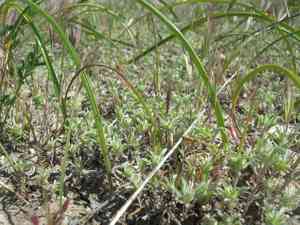
False neststraw (Ancistrocarphus filagineus)
Also known as: Woolly False Bluestem, Woolly-head Paintbrush
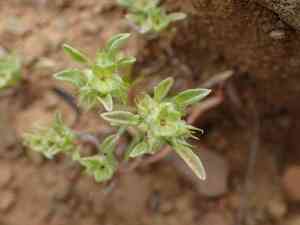
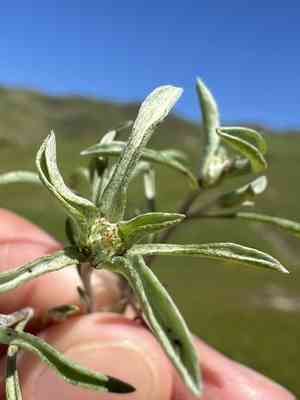
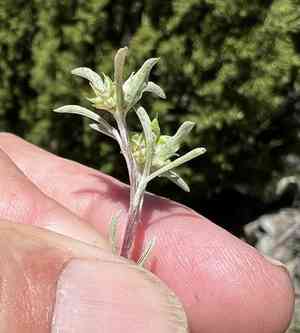
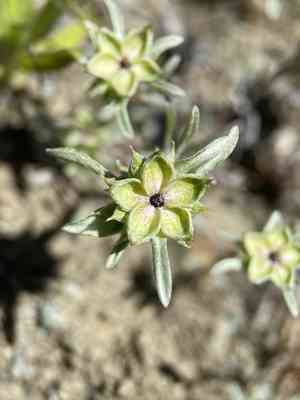
The petite annual herb seldom exceeds 15 cm in height. It features gray, woolly-haired foliage. Its leaves, which can be linear, lance-shaped, or oval, reach up to 3 cm in length and are alternately positioned along the short stems. The plant produces small clusters of star-shaped flower heads, each just a few millimeters in diameter.
In This Article
Attributes of False neststraw
Lifespan
Annual
Plant Type
Herb
Plant Height
10-30 cm (4-12 inches)
Spread
Not applicable, as this plant does not have a distinct crown.
Leaf Color
Gray-green
Flower Size
Less than 1 cm (0.4 inches)
Flower Color
Yellow to cream-colored
Images of False neststraw
Quickly Identify False neststraw
1
This plant can be identified by its woolly, gray-green leaves and small, clustered flower heads that have a woolly or fuzzy appearance. The flowers themselves are very small and not easily noticeable. The plant typically grows low to the ground.
Scientific Classification of False neststraw
Phylum
Vascular plants
Class
Dicotyledons
Order
Asterales
Family
Daisy
Genus
Neststraw
Species
False neststraw
Planting and Growing of False neststraw
Care Difficulty
Easy
Watering Schedule
Every day
Sunlight Requirements
Full sun
Sunshine Duration
6-10 hours
Ideal Temperature
60-75℉
Soil Type
Potting Mix, Peat Mix
Soil pH
6.5-7.5
Fertilizer Type
Balanced
Pruning Season
Spring, Summer
Pruning Area
Branches, Leaves
Pruning Frequency
2 times a year
Repotting Season
Spring
Pot Type
Plastic, Ceramic
 How to Water False neststraw?
Ancistrocarphus filagineus thrives when watered deeply but infrequently, requiring around 250 milliliters per session. The goal is to soak the soil thoroughly, ensuring moisture reaches the root zone while allowing the soil to dry out between waterings, mimicking its natural arid environment.
What are the symptoms of an underwatered False neststraw?
›
What should I do if my False neststraw is not getting enough water?
›
What are the symptoms of an overwatered False neststraw?
›
How to save an overwatered False neststraw?
›
 What Are the Sunlight Requirements for False neststraw?
Ancistrocarphus filagineus benefits from 6-8 hours of sun exposure, ranging from full to partial sun. Ideal light promotes robust growth, strengthens tissue, and enhances its natural aesthetics.
What is the optimal sunlight for Ancistrocarphus filagineus?
›
How do I achieve the best lighting for Ancistrocarphus filagineus?
›
What are the benefits of ideal light for Ancistrocarphus filagineus?
›
 What Is the Ideal Temperature Range for False neststraw?
The ideal temperature range for Ancistrocarphus filagineus is between 60°F and 75°F. This range provides the best environment for its growth and development. Conditions in this temperature window support optimal physiological processes, ensuring healthy foliage and blooming.
 What Soil is Best for False neststraw?
Ancistrocarphus filagineus prefers well-draining soil, which prevents root rot by ensuring excess water does not linger. This type of soil is key to healthy root development, allowing the plant to absorb essential nutrients efficiently. This plant thrives in soil enriched with organic matter. The presence of compost or quality organic material enhances soil fertility, supplying long-lasting nutrients that bolster growth and blooming phases. Maintaining soil pH between 6.5 and 7.5 ensures optimal nutrient availability and absorption. This range prevents nutrient lockout, making it easier for Ancistrocarphus filagineus to access essential minerals needed for robust growth.
 How to Fertilize False neststraw?
For Ancistrocarphus filagineus, use a mild solution of liquid fertilizer at a ratio of 1:4 (fertilizer: water) for liquid applications. For slow-release granules, 2-3 tablespoons per plant applied in a ring around the base will suffice.
 How to Prune False neststraw?
Gather sharp scissors or shears to make clean cuts, which reduce the risk of infection. Disinfect them before and after use to prevent the spread of pathogens. Begin by identifying dead or diseased stems. Cut these back to healthy tissue. Trim away leggy growth to encourage fuller foliage, and maintain a uniform shape by selectively pruning overgrown areas.
More About Pruning Techniques→
 How to Propagate False neststraw plant?
1
Choose fresh and healthy seeds for the best chance of germination. Discard any damaged or old seeds, as they are less likely to sprout and may affect overall success rates.
2
Fill the seed tray with fine potting soil and evenly sprinkle the seeds on top. Lightly cover them with a thin layer of soil and mist with water to ensure the seeds remain moist. Avoid burying seeds too deep as it may hinder sprouting.
3
Place the seed tray in a location with indirect sunlight and maintain a consistent temperature. Cover the seed tray with a transparent lid or plastic wrap to conserve humidity but allow for some ventilation to prevent mold growth.
 How to Repot False neststraw plant?
1
You'll know it's time to repot Ancistrocarphus filagineus when you observe the roots emerging from the drainage holes, indicating that the plant has outgrown its current pot. Another sign is when the soil dries out too quickly after watering, suggesting the roots have taken up most of the space. Ideally, repotting should be done during its active growing seasons of spring to autumn, allowing the plant to adjust to its new home with minimal stress.
2
Select a pot that is just one size larger than the current one, ideally with plenty of drainage holes to prevent water stagnation. Using the right-sized pot helps in avoiding overwatering issues and promotes healthy root growth without excessive space, which can lead to root rot. A pot made of breathable material like terracotta can also enhance ventilation for the roots.
3
Choosing a well-draining sandy mix is crucial for Ancistrocarphus filagineus, as it mimics its natural habitat. This type of soil prevents water from lingering around the roots, which could cause root rot. Incorporating ingredients like perlite or small gravel can also aid in drainage, ensuring that the plant has a stable yet breathable foundation to thrive.
Learn More About False neststraw Diseases
Anthracnose
Bacterial Leaf Spot
Bacterial Soft Rot
Bacterial Wilt
Black Spot
Chemical Injury
Crown Gall
Cyst Nematode
Damping-off
Downy Mildew
Drought Stress
Fusarium Wilt
Gray Mold
Leaf Curl
Leaf Spot
Mosaic
Nutrient Deficiency
Nutrient Toxicity
Powdery Mildew
Root Rot
Root-knot Nematode
Rusts
Sooty Mold
Spider Mites
Temperature Stress
Thrips Damage
White Mold



