How to Propagate False neststraw?
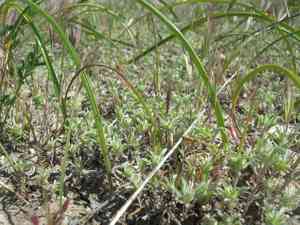
False neststraw, a herbaceous species indigenous to western North America, is recognized for its fuzzy texture. To achieve successful propagation, employ seeding methods. Verify that seeds are new and sow them in soil that drains effectively, exposed to ample sunlight. Provide moderate irrigation, but prevent saturation. Persistence is crucial, as sprouting may take time. Consult reliable gardening references for further specific details concerning false neststraw's distinct traits.
Optimal Time for False Neststraw Propagation
Propagation Method
Seeding
Propagation Period
Spring
Tools for False Neststraw Propagation
Seed trays
Seed trays are vital for planting false neststraw seeds. Their shallow design allows for proper seed spacing and depth, ensuring seeds have ample room to sprout effectively. The compact nature of seed trays helps create a controlled environment, crucial for false neststraw germination.
Fine-textured potting soil
Fine-textured potting soil offers a delicate balance of drainage and moisture retention, essential for false neststraw seeds which need a well-aerated yet consistently damp environment to germinate. The fine texture ensures close contact with seeds, promoting better water absorption and root development.
Misting bottle
A misting bottle is essential for gently watering false neststraw seeds without disturbing them. The fine spray ensures even moisture distribution, critical during the delicate phase of seed germination. This tool helps maintain necessary humidity without causing soil erosion or seed displacement.
Grow lights
Grow lights are beneficial, especially if sowing occurs indoors or during seasons with limited natural light. They provide a consistent light source, aiding in the healthy growth of false neststraw after germination. Grow lights help simulate natural light conditions, ensuring robust plant development.
Heat mats
Heat mats are particularly useful for false neststraw germination, as they help regulate soil temperature, providing consistent warmth vital for germination. This is especially beneficial during cooler months or in colder climates where ambient temperatures might hinder seed germination.
Labeling tags
Using labeling tags is important to track progress and identify different batches of false neststraw. This is especially useful when propagating multiple species or varieties. Tags ensure proper monitoring and care specific to the needs of each stage of false neststraw growth.
How to Propagate False Neststraw?
Propagation Type
Simple
Caring for Your Newly Propagated False Neststraw
Caring for Your Newly Propagated False Neststraw?
After propagation, false neststraw should be placed in a location receiving partial shade, as it naturally thrives in such conditions. Water plants moderately, allowing the soil to dry between watering sessions, to mimic its natural arid habitat. Minimal fertilization is needed; if desired, a light application of a balanced, slow-release fertilizer can be used during the growing season. Regularly check for pests and diseases, though false neststraw is generally not prone to major issues with proper care.
Common Errors to Avoid When Propagating False Neststraw
Overwatering
Excessive watering of false neststraw can lead to root rot and fungal diseases, significantly impeding root development and overall plant health. False neststraw's preference for well-drained soil means too much moisture is harmful.
Using too dense soil mix
A soil mix that is too dense can hinder root growth and water drainage, causing problems similar to overwatering, such as root rot. This error can severely reduce propagation success.
Excessive handling of cuttings
Handling false neststraw cuttings too frequently or roughly can damage the delicate tissues necessary for rooting and growth. This can lead to poor root development or complete failure to root.
Tips For Propagating False Neststraw
Use well-draining soil
Opt for a light, well-draining soil mix to encourage healthy root growth and prevent water-related issues. This ensures that false neststraw roots receive the optimal balance of moisture and aeration.
Moderate watering
Water false neststraw sparingly, allowing the soil to dry out somewhat between waterings. This practice helps mimic the natural dry conditions false neststraw is adapted to, promoting healthier growth.
Provide indirect light
Place false neststraw in indirect light during the rooting phase. Direct sunlight can stress young plants, while too little light can inhibit their development. Indirect light offers a balanced environment for growth.



