How to Prune Howell's onion?
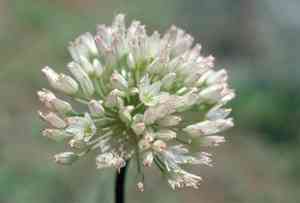
Howell's onion, recognized for its appealing flowers and resilience, needs very little trimming. Eliminate withered or injured leaves in late winter or early spring to foster vigorous development. Discarding faded flower stems after blooming enhances its appearance and stops unwanted seed dispersal. For peak outcomes, refrain from severing vibrant, healthy foliage since it continues to perform photosynthesis and fortify the plant. Trimming howell's onion leads to a sturdy, attractive specimen, while also warding off ailments and boosting air movement, which is vital for its strength.
What Are the Benefits of Pruning Howell's Onion?
What Are the Benefits of Pruning Howell's Onion?
Trimming howell's onion encourages robust development and helps maintain its form, boosting overall vitality and strength. Pruning also aids in managing plant size, improves air circulation, and can somewhat deter pest and disease problems.
What Is the Best Time for Pruning Howell's Onion?
What Is the Best Time for Pruning Howell's Onion?
Trimming howell's onion in early spring and late winter is ideal due to its growth pattern and bloom schedule. During late winter, howell's onion is dormant, minimizing stress and allowing it to recover before active growth. Early spring pruning ensures the plant benefits from the upcoming growing season, promoting healthier growth and optimal flowering. This timing also helps remove dead or damaged foliage, improving overall plant health.
What Tools Do I Need to Prune Howell's Onion?
Precision Pruners
These are perfect for making neat, accurate cuts on howell's onion's delicate stems without causing unnecessary harm.
Pruning Shears
Useful for cutting through thicker stems and leaves that might grow on howell's onion. They help maintain the plant's shape and encourage healthy development.
Sterilizing Solution
Essential for preventing disease spread when trimming howell's onion. Regularly disinfect tools to keep the plant healthy.
Deadheading Snips
Ideal for removing faded blooms and promoting more flowering in howell's onion. They allow for precise trimming of small parts.
How to Prune Howell's Onion
Identification
Examine howell's onion to find any diseased or withered leaves that require trimming. Look for discoloration, spots, or general leaf decay.
Sanitization
Disinfect your pruning tools by wiping them with rubbing alcohol or a bleach solution to prevent disease transmission.
Removal
Carefully cut off the diseased leaves at their base, ensuring not to harm the healthy parts of howell's onion. Use sharp, clean tools for a precise cut.
Dispose
Properly discard the removed leaves in a plastic bag and throw them in the trash to avoid contaminating compost or garden areas.
Monitor
Regularly check howell's onion for any new signs of disease or wilting and repeat the pruning process as needed to maintain plant health.
Common Pruning Mistakes with Howell's Onion
Over-pruning
Removing too much foliage or cutting back excessively can stress howell's onion and hinder its growth and blooming.
Improper Cutting Technique
Using dull or unclean tools can damage the plant's tissues, making howell's onion vulnerable to disease and pests.
Pruning at the Wrong Time
Trimming at an incorrect growth stage may disrupt howell's onion's natural cycle, leading to poor flowering or weakened plants.
Ignoring Deadheading
Failing to remove spent flowers can divert energy away from new growth and blooming.
Neglecting Sanitation
Accumulating debris around the base of howell's onion or not cleaning pruning tools can introduce pathogens and pests.
Common Pruning Tips for Howell's Onion
Use Sharp, Clean Tools
Ensure your pruning tools are sterilized and sharp to make clean cuts that heal quickly and reduce the risk of infection.
Prune Sparingly
Only remove dead, damaged, or diseased foliage and stems. Avoid cutting back more than one-third of the plant to maintain its health.
Regular Deadheading
Consistently remove spent flowers to encourage continuous blooming and redirect energy towards new growth.
Prune for Shape and Airflow
Thin out crowded areas to improve air circulation and light penetration, which can prevent disease and promote robust growth.
Monitor for Pests and Diseases
Regularly inspect howell's onion for any signs of pests or disease and take necessary actions promptly to protect the plant’s health.



