How to Propagate Howell's onion?
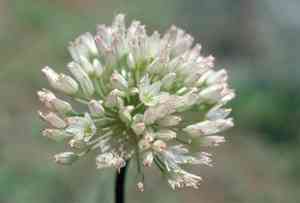
Howell's onion, a perennial bulb-forming plant, prospers in adequately drained soil under direct sunlight. Effective propagation entails collecting the tubers and embedding them approximately 2 inches deep. Provide sufficient hydration until rooted, but refrain from excessive watering to avert decay. Due to its hardiness, howell's onion thrives with little upkeep once rooted. Applying organic ground cover around the base assists in retaining moisture and suppressing weeds.
What Is the Best Time To Propagate Howell's Onion?
Propagation Type
UtilizeTubers
Propagation Season
Spring
What Tools Are Used in Howell's Onion Propagation?
Garden Fork
A garden fork is crucial for carefully excavating around howell's onion tubers without causing harm. Its tines can gently lift tubers from the soil, preserving delicate structures vital for successful propagation.
Pruning Shears
Pruning shears are used to trim any damaged or decaying parts from howell's onion tubers before planting. This ensures only healthy plant material is propagated, reducing disease risk and promoting strong growth.
Rooting Hormone
Applying rooting hormone to howell's onion tubers can stimulate root development, increasing propagation success. The hormone encourages faster, stronger root growth, essential for the plantâs establishment.
Plant Labels
Plant labels help track howell's onion tubers after planting. This is especially important when propagating multiple plants, preventing confusion and ensuring proper care for each species.
Planting Trays
Planting trays are useful for starting howell's onion tubers indoors or in a controlled setting. They offer a stable, manageable space for tubers to develop initial roots before transplanting.
Mister or Spray Bottle
A mister or spray bottle ensures howell's onion tubers receive a gentle, even moisture supply. This is vital during early propagation stages, as overwatering causes rot, and under-watering hinders root development.
Soil Thermometer
A soil thermometer helps monitor soil temperature where howell's onion tubers are planted. Maintaining optimal soil temperature is crucial for root formation and overall plant health, especially during early growth.
How to Propagate Howell's Onion?
Propagation Type
Simple
How to Care for Your Newly Propagated Howell's Onion?
How to Care for Your Newly Propagated Howell's Onion?
Post-propagation, howell's onion needs consistent watering, particularly during dry spells. Keep soil moist but not waterlogged. Fertilize with a balanced organic fertilizer during the growing season for robust growth. Provide full sun or partial shade, depending on your climate. Regularly inspect for pests and diseases, removing affected foliage to prevent spread.
Common Mistakes to Avoid When Propagating Howell's Onion
Overwatering
Excessive moisture can lead to root rot. Howell's onion prefers well-drained soil, and standing water can cause bulbs to decay, hindering their ability to sprout and grow.
Poor Soil Quality
Using soil lacking nutrients or that is heavy and compacted can hinder growth. Howell's onion thrives in loose, sandy, or loamy soil that provides good drainage and essential nutrients.
Planting Depth
Incorrect planting depth can result in failed germination. If bulbs are planted too deep, they may not receive adequate light and warmth necessary for sprouting.
Lack of Sunlight
Howell's onion requires sufficient sunlight for healthy growth. Planting in shaded areas can lead to weak, leggy growth and poor flowering.
Improper Spacing
Crowding bulbs together can lead to competition for resources. Adequate spacing ensures each bulb has enough room to access water, nutrients, and light.
Tips For Propagating Howell's Onion
Well-Draining Soil
Utilize a well-draining soil mix to prevent waterlogging. Amending the soil with sand or compost can enhance its drainage properties.
Moderate Watering
Water sparingly once bulbs are planted. Ensure the soil remains moist but not waterlogged to prevent rot.
Correct Planting Depth
Plant bulbs at a depth of approximately 1-2 inches. This allows them to access the necessary light and warmth for germination.
Full Sun Exposure
Select a location that provides full sun for at least 6-8 hours daily. This ensures robust growth and blooming.
Proper Spacing
Space bulbs about 4-6 inches apart to prevent overcrowding. This provides each bulb with enough room to grow and access resources.



