How to Prune Redskin onion?
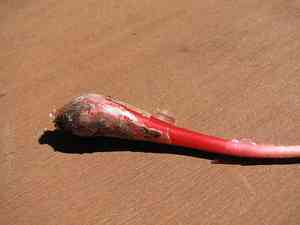
Recognized for its distinctive crimson skin and aromatic blossoms, redskin onion flourishes with appropriate trimming. The ideal periods for trimming are in early spring and late winter, while the plant is dormant. Methods involve eliminating withered foliage and faded flower stems to foster robust development and deter ailments. Trimming aids in controlling the plant's dimensions and stimulates vivid flowering. Verify that implements are keen and sanitized to avert contagions. Consistent trimming provides enhanced air movement and plant vitality.
What Are the Benefits of Pruning Redskin Onion?
What Are the Benefits of Pruning Redskin Onion?
Redskin onion gains from trimming through improved vigor and maintained form. Regular trimming prevents crowding, supports strong development, and ensures the plant remains visually appealing. Proper trimming methods aid in pest and disease prevention, contributing to the plant's overall health and longevity.
What Is the Best Time for Pruning Redskin Onion?
What Is the Best Time for Pruning Redskin Onion?
Trimming redskin onion in early spring or late winter aligns with its dormant phase, minimizing plant stress and encouraging robust growth when the active season begins. Pruning during these periods allows for the removal of any dead or damaged foliage accumulated over winter, enhances air circulation, and improves light penetration, which are vital for the plant's well-being and optimal blooming. Furthermore, pruning before the active growth stage reduces the risk of diseases and pests, ensuring a healthier and more resilient plant.
What Tools Do I Need to Prune Redskin Onion?
Small Hand Pruners
Perfect for making precise cuts as redskin onion possesses relatively soft and slender stems. Ensures neat and accurate trimming.
Garden Scissors
Suitable for finer trimming and removing spent flower stalks. Essential for maintaining the appearance and health of redskin onion.
Pruning Knife
Useful for precisely removing any damaged or diseased sections. Important for preserving overall plant health.
How to Prune Redskin Onion
Inspect
Examine the plant for diseased and withered leaves. Confirm the plant is healthy and free from potential infestation areas.
Sanitize
Before beginning, sterilize your pruning shears with a solution of one part bleach to nine parts water to prevent disease spread.
Prune diseased
Carefully cut away any diseased leaves at the base, making clean cuts to avoid tearing the plant tissue. Dispose of these parts properly to prevent contamination.
Prune withered
Trim away withered leaves, ensuring you cut back to healthy tissue. This helps redirect the plant's energy towards growth rather than maintaining dead parts.
Cleanup
Remove all pruned leaves from the soil surface around the plant to minimize disease risk. Ensure the plant is well-watered to aid recovery.
Common Pruning Mistakes with Redskin Onion
Over-pruning
Removing too many leaves or stalks can stress redskin onion, impeding its growth and reducing its ability to produce flowers.
Pruning too early
Cutting back foliage before it has naturally died back can deprive redskin onion of essential nutrients stored in the leaves, crucial for its next growth cycle.
Using dull tools
Dull pruning tools can harm redskin onion by tearing rather than cleanly cutting, increasing the risk of disease and pest infestation.
Incorrect cutting technique
Improper cutting technique, such as cutting too close to the base or making jagged cuts, can damage redskin onion and slow its recovery.
Common Pruning Tips for Redskin Onion
Use sharp, clean tools
Always use sharp, sanitized pruning shears to make clean cuts and minimize damage to redskin onion. Clean tools prevent disease transmission.
Remove dead foliage
Only remove dead, yellowing, or damaged foliage. This helps to direct energy towards healthy growth and flowering without depriving the plant of necessary nutrients.
Cut at the right angle
Make cuts at a 45-degree angle to promote quicker healing and reduce the risk of disease for redskin onion.
Inspect for pests and disease
While pruning, check redskin onion for signs of pests or diseases and take appropriate action. This keeps the plant healthy and more resilient.



