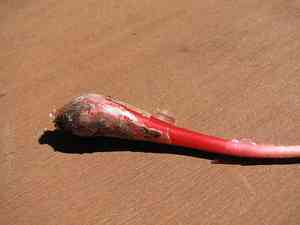
Redskin onion (Allium haematochiton)
Also known as: Red-skinned onion
The plant you're referring to is likely the redskin onion, a hardy perennial bulb that thrives in rocky environments. Its narrow, grass-like leaves appear in early spring, encircling clusters of vibrant pink to reddish-purple flowers. These attractive blooms not only enhance the landscape but also draw various pollinators, highlighting the redskin onion's ecological importance.
In This Article
Attributes of Redskin onion
Lifespan
Perennial
Plant Type
Herb
Plant Height
15-45 cm
Spread
N/A
Leaf Color
Green with a red tint at the base
Flower Size
1-2 cm
Flower Color
White to pink
Images of Redskin onion
Quickly Identify Redskin onion
1
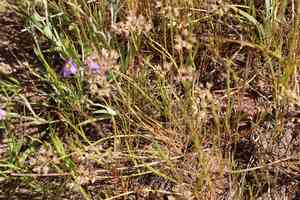
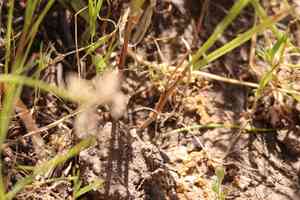
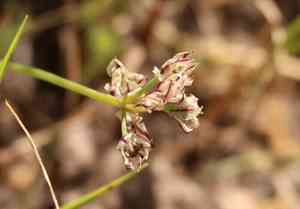
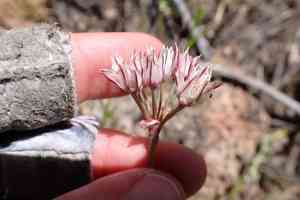
This plant can be identified by its distinctive red-tinted bulbs and the narrow, cylindrical leaves. The flowers are white to pink and are found in an umbel at the top of a leafless stalk.
Scientific Classification of Redskin onion
Phylum
Vascular plants
Class
Monocotyledons
Order
Asparagales
Family
Amaryllis
Genus
Onions
Species
Redskin onion
Planting and Growing of Redskin onion
Care Difficulty
Easy
Watering Schedule
Every 2 days
Sunlight Requirements
Full sun
Sunshine Duration
6-10 hours
Ideal Temperature
60-75℉
Soil Type
Potting Mix, Peat Mix
Soil pH
6.5-7.5
Fertilizer Type
Balanced
Pruning Season
Spring, Summer
Pruning Area
Branches, Leaves
Pruning Frequency
2 times a year
Repotting Season
Spring
Pot Type
Plastic, Ceramic
 How to Water Redskin onion?
Watering should be enough to moisten the soil thoroughly, reaching a depth of 6-8 inches. This ensures that the roots receive adequate moisture without being waterlogged. Always ensure the pot has good drainage to prevent water from stagnating.
What are the symptoms of an underwatered Redskin onion?
›
What should I do if my Redskin onion is not getting enough water?
›
What are the symptoms of an overwatered Redskin onion?
›
How to save an overwatered Redskin onion?
›
 What Are the Sunlight Requirements for Redskin onion?
Allium haematochiton prefers conditions that provide full sunlight for about 4 to 8 hours daily. This fosters vibrant foliage and plentiful blooms, supporting overall plant health and disease resistance.
What kind of light does Allium haematochiton prefer?
›
How can I ensure my Allium haematochiton gets enough light?
›
What are the benefits of providing ideal lighting conditions?
›
 What Is the Ideal Temperature Range for Redskin onion?
The ideal temperature range for Allium haematochiton is between 60°F and 75°F. This range provides optimal conditions for growth and prevents stress on the plant. Keeping the temperature within this range ensures that the plants can photosynthesize effectively and maintain their physiological processes.
 What Soil is Best for Redskin onion?
Allium haematochiton thrives in well-drained soils which prevent root rot and ensure nutrient uptake. This quality helps the plant flourish by providing the necessary aeration and avoiding waterlogging. The plant prefers soils with moderate fertility. This level of nutrients balances growth, preventing excessive foliage development over bulb formation and ensuring healthy plant structure. Incorporating organic matter into the soil boosts its ability to retain moisture while providing essential nutrients for the plant. This helps in sustaining the plant during drier periods.
 How to Fertilize Redskin onion?
For Allium haematochiton, it is essential to ensure the right balance in nutrient supply. When using liquid fertilizers, apply approximately 50-100 ml per application, depending on the plant's size. With slow-release fertilizer, use about 15-20 grams per application distributed evenly around the planting area to ensure steady nutrient availability without overwhelming the plant.
 How to Prune Redskin onion?
Start by inspecting the Allium haematochiton for any dead or damaged leaves which should be removed first. Use sharp, clean scissors or secateurs to make precise cuts. Trim back spent flower heads to the base to promote new blooms. Always cut just above a leaf node to ensure a tidy regrowth pattern. To make your Allium haematochiton bushier, consider pinching the growing tips of the plant. This should be done during the growing seasons of spring and summer to stimulate lateral branching, leading to a fuller appearance. Regularly check for new growth and pinch back accordingly.
More About Pruning Techniques→
 How to Propagate Redskin onion plant?
1
Collect seeds once the seed heads have dried on the plant. Clean them by removing any outer husks, and ensure they are completely dry before sowing to prevent any fungal growth.
2
Sow the seeds in a seed tray filled with a well-draining mix. Gently cover the seeds with a thin layer of soil, water lightly, and place in a sunny location to encourage germination.
3
Carefully remove the parent plant from the ground and gently separate the offsets or smaller bulbs. Replant them at the same depth they were growing, ensuring the roots are well-covered.
 How to Repot Redskin onion plant?
1
Repotting Allium haematochiton is best done when you notice the plant has outgrown its container. Signs include roots growing through the drainage holes or a noticeable slowdown in growth. These signals indicate that the plant requires more space and nutrients.
2
Choose a pot that is one size larger than the current one, and ensure it has drainage holes. A slightly larger pot gives the roots room to expand without overwatering risks, and drainage holes help prevent waterlogging, which can lead to root rot.
3
Opt for a well-draining sandy soil mix to mimic the natural growing conditions of Allium haematochiton. This type of soil ensures that excess water drains away quickly, reducing the risk of root rot and promoting healthy root development.
Learn More About Redskin onion Diseases
Anthracnose
Bacterial Leaf Spot
Bacterial Soft Rot
Bacterial Wilt
Chemical Injury
Cyst Nematode
Damping-off
Downy Mildew
Drought Stress
Fusarium Wilt
Gray Mold
Leaf Spot
Mosaic
Nutrient Deficiency
Nutrient Toxicity
Powdery Mildew
Root Rot
Root-knot Nematode
Rusts
Sooty Mold
Spider Mites
Temperature Stress
Thrips Damage
White Mold



