How to Propagate Redskin onion?
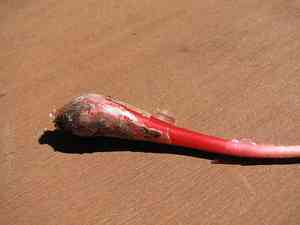
Redskin onion, a member of the Amaryllidaceae family, flourishes in arid, stony ground. Effective reproduction entails utilizing its tubers, emphasizing appropriate soil conditioning and planting methods. Guarantee a well-draining substrate blended with sand and pebbles for superior root establishment. Irrigate infrequently to avert decay, fostering robust development. Observe for infestations and ailments, ensuring balanced nutrient delivery. Through these steps, redskin onion can be grown efficiently and robustly.
When Is the Optimal Time to Propagate Redskin Onion?
Propagation Method
UtilizeTheTubers
Propagation Period
Spring
What Implements Are Employed in Redskin Onion Propagation?
Hand Trowel
A hand trowel is crucial for excavating small holes and relocating tubers. Its slender blade is especially useful for precise and gentle digging around redskin onion's tubers, minimizing harm to the delicate structures.
Pruning Shears
Pruning shears are utilized to trim any damaged or surplus foliage from redskin onion, promoting healthy regrowth. Sharp, clean shears decrease the risk of disease transmission and ensure smooth cuts, which is vital for plant vitality.
Gloves
Gardening gloves safeguard your hands from potential irritation caused by soil and plant matter. They also offer an improved grip when handling redskin onion's tubers, preventing accidental damage.
Sterilizing Solution
A sterilizing solution is essential for sanitizing tools before and after use. This prevents the spread of pathogens that could harm redskin onion's tubers and guarantees a sterile environment for propagation.
Watering Can
A watering can with a fine rose attachment disperses water gently and uniformly. This is important to avoid disturbing newly planted tubers of redskin onion and to maintain consistent moisture levels in the soil.
Potting Soil
High-quality potting soil with good drainage characteristics supports healthy tuber development. For redskin onion, a blend that retains moisture while preventing waterlogging is ideal to foster robust growth.
Labels and Markers
Labels and waterproof markers assist in keeping track of different propagation stages and plant varieties. Clear labeling is particularly helpful for monitoring the progress and health of redskin onion's tubers.
How to Propagate Redskin Onion?
Propagation Type
Easy
How to Nurture Your Newly Propagated Redskin Onion?
How to Care for Your Newly Propagated Redskin Onion?
Following propagation, irrigate redskin onion moderately, ensuring the soil isn't overly saturated. Provide full sun to partial shade to encourage vigorous growth. Fertilize sparingly, as redskin onion prefers a nutrient-poor soil environment. Regularly remove any competing weeds, and monitor for pests and diseases, treating promptly if any issues arise. As the plants mature, reduce watering frequency to prevent tuber rot.
Common Errors to Avoid When Propagating Redskin Onion
Overwatering
Excessive watering can lead to bulb rot and fungal infections. This is problematic because it hinders root development and overall plant health.
Poor Soil Drainage
Planting redskin onion in soil that doesn't drain effectively can cause waterlogging. Waterlogged soil can suffocate the roots and lead to decay.
Planting Bulbs Too Deep
Burying the bulbs too deeply can result in poor sprouting or weak growth. The bulbs may deplete their energy reserves before emerging through the soil.
Inadequate Sunlight
Placing redskin onion in a location with insufficient sunlight can lead to leggy, weak plants. Redskin onion thrives in full sun, and lack of light inhibits its growth.
Ignoring Pests and Diseases
Failure to monitor and address pest infestations and diseases can severely affect redskin onion's health and development.
Tips For Propagating Redskin Onion
Ensure Good Drainage
Utilize well-draining soil and consider planting redskin onion in raised beds or sandy soil to prevent waterlogging.
Proper Bulb Depth
Plant the bulbs at a shallow depth, just deep enough to cover them with a thin layer of soil.
Adequate Watering
Water moderately as redskin onion prefers slightly dry conditions. Ensure the soil is moist but not soggy.
Full Sun Exposure
Choose a sunny spot that receives at least 6 hours of direct sunlight daily for optimal growth.
Monitor for Pests
Regularly check for pests and diseases, and take immediate action if you spot any signs of trouble. Use organic or chemical treatments as appropriate.



