How to Prune Candlenut?
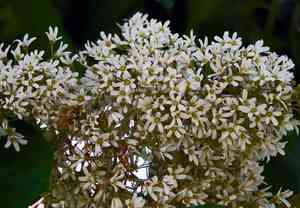
Distinguished by its cordate foliage and crucial function in agroforestry, candlenut necessitates careful trimming to foster robust development and productivity. To achieve the best outcomes, eliminate deceased or compromised limbs, reduce crowded sections for improved light access, and sculpt the crown for structural soundness. The colder months are the favored period for pruning tasks, enabling candlenut to preserve vitality and endure less trauma from incisions. This aligns with the plant's inactive stage, readying it for energetic spring expansion. Consistent pruning guarantees strong well-being, diminishes ailments, and elevates the caliber of nuts harvested.
What Are the Benefits of Pruning Candlenut?
What Are the Benefits of Pruning Candlenut?
Trimming candlenut promotes robust development and helps maintain its desired form. Regular removal of overgrown or dead limbs improves air circulation, sunlight exposure, and can stimulate flower and nut production.
What Is the Best Time for Pruning Candlenut?
What Is the Best Time for Pruning Candlenut?
Pruning candlenut during late winter to early spring is most advantageous as it prepares the tree for strong new growth when the active season begins. Trimming at this time minimizes stress on candlenut since the plant is still dormant and hasn't yet directed energy into spring development. It also allows for better wound healing before warmer weather arrives, which can bring pests and diseases that might exploit fresh cuts. Furthermore, without leaves, it's easier to see candlenut's structure and make more precise pruning decisions. This timing avoids impacting the current year's flowering and fruiting cycle, crucial for candlenut's reproductive success.
What Tools Do I Need to Prune Candlenut?
Hand Pruners
For cutting small branches up to 3/4 inch diameter. They provide clean cuts without damaging candlenut's smaller limbs.
Lopping Shears
For branches between 3/4 inch and 2 inches in diameter. They provide leverage and reach for moderately sized limbs of candlenut.
Pruning Saw
For larger branches over 2 inches in diameter. A saw can handle the woodiness of candlenut's mature branches.
Pole Pruner
For reaching higher limbs without the use of a ladder, ensuring safe pruning practices for candlenut.
Pruning Sealer
To protect larger cuts from disease and pests after pruning candlenut. Sealers aid in the healing process.
How to Prune Candlenut
Clean Tools
Before pruning candlenut, sterilize pruning tools with a solution of one part bleach to nine parts water to prevent disease spread.
Identify Parts
Examine candlenut and identify dead or diseased branches, which might appear dark, brittle, or have abnormal growths.
Cut Diseased
Using the sterilized tools, cut off diseased branches from candlenut, making clean cuts at a 45-degree angle just above a healthy bud or lateral branch.
Remove Dead
Remove dead branches from candlenut by making cuts at the point where they join with the living tissue, ensuring not to damage the branch collar which aids in healing.
Dispose
Properly dispose of the removed branches to prevent any potential spread of disease back to candlenut or to other plants.
Common Pruning Mistakes with Candlenut
Over-Pruning
Removing too much foliage at once can stress candlenut, leading to reduced growth and vitality. Aim to prune no more than one-third of the plant at a time.
Ignoring Deadwood
Failing to remove dead or diseased branches can hinder the health and aesthetic appeal of candlenut, as these can harbor pests and diseases.
Improper Cuts
Making jagged or tearing cuts can damage candlenut's bark and branches, increasing susceptibility to disease. Clean and sharp cuts are essential for plant health.
Pruning Healthy Blossoms
Accidentally cutting off healthy blossoms can reduce candlenut's fruiting potential. Carefully check for flowers or developing nuts before pruning.
Neglecting Tool Hygiene
Using dirty pruning tools can introduce pathogens to candlenut, causing infections. Sterilize tools before use to prevent the spread of disease.
Common Pruning Tips for Candlenut
Selective Thinning
Remove selected branches to improve air circulation and light penetration, which is vital for candlenut's overall health and growth.
Shape Maintenance
Prune candlenut to maintain the desired shape and size, focusing on removing stray branches that disrupt the plant's symmetry.
Promote New Growth
Pruning encourages new growth in candlenut. Make cuts just above a leaf node or bud to direct the new growth in the desired direction.
Support Structure
During pruning, consider the structural integrity of candlenut. Remove branches positioned at weak angles to prevent breakage and encourage a strong framework.
Post-Pruning Care
After pruning candlenut, follow with proper care like watering and potentially fertilizing, to support recovery and new growth without over-stressing the plant.



