Enhancing Your Garden Design with the Candlenut Plant: A Landscaping Guide
1
Candlenut offers a distinctive visual charm to diverse garden designs.
2
Candlenut flourishes optimally in soil that drains well and in sunny environments.
3
Appropriate care and eco-friendly upkeep are crucial for a flourishing Candlenut in your outdoor space.
Introducing Candlenut for Landscape Design
Candlenut's visual appeal in outdoor settings
Candlenut is prized for its unique appearance, lending an exotic flair to any garden. Its vibrant leaves offer a striking contrast to typical greenery, creating captivating displays. Whether your garden is modern and minimalist or lush and tropical, Candlenut can add intrigue and beauty, making your outdoor area distinctive.
How Candlenut complements diverse garden aesthetics
Candlenut is adaptable and suits various garden styles. In tropical gardens, it blends seamlessly with other exotic plants, enhancing the rich, green look. In more traditional landscapes, Candlenut can serve as a focal point or accent, adding texture and depth. Its flexibility allows it to integrate well with both structured and informal garden layouts, making it a valuable asset for different landscaping projects.
Optimal Growing Conditions for Candlenut in Your Yard
Understanding Candlenut's climate preferences
For Candlenut to flourish in your landscape, its climate needs are key. It thrives in warm, sunny conditions and is best suited for areas with minimal frost. Warmer climates promote stronger, more vigorous growth, leading to healthier foliage and, if applicable, better blooms. If you're in a cooler zone, consider planting Candlenut in a protected spot to shield it from extreme cold.
Soil types and drainage requirements for peak growth
Candlenut prefers well-draining soil, as proper drainage is vital to prevent root rot and other water-related problems. Sandy or loamy soils are ideal, providing the right balance of drainage and nutrient availability. Enriching your garden soil with organic matter can improve its texture and fertility, ensuring Candlenut gets the nutrients it needs. Regularly checking and adjusting soil pH to a slightly acidic to neutral range (pH 6.0-7.5) also supports optimal growth.
Candlenut Design and Placement Concepts
Creating garden focal points with Candlenut
One effective way to use Candlenut in landscaping is by establishing focal points. Position Candlenut where you want to draw attention, such as near patios, entryways, or garden paths. Its distinct shape and vibrant leaves can capture the eye and act as a natural centerpiece. Strategic placement of Candlenut can define areas within your garden and enhance its overall design.
Integrating Candlenut with other plants for balanced visuals
Balancing Candlenut with other plants in mixed borders or groupings can create a harmonious landscape. Pair it with plants that have complementary colors and textures for a well-rounded aesthetic. For instance, combining Candlenut with plants featuring different leaf shapes and colors can make your garden more dynamic and visually appealing. The key is to ensure companion plants share similar water and light needs, fostering a cohesive and healthy garden.
Candlenut Maintenance Tips for Landscaping Projects
Practical advice for sustainable care and upkeep
Maintaining Candlenut involves regular pruning, watering, and fertilization. Trim any dead or damaged branches to encourage healthy growth and shape your plant as needed. Water Candlenut consistently but allow the soil to dry between waterings to prevent overwatering. Using organic fertilizers can promote robust growth while minimizing environmental impact. Mulching around the plant's base can help retain soil moisture and suppress weeds.
Seasonal considerations for Candlenut upkeep
Understanding seasonal changes is crucial for Candlenut maintenance. In spring and summer, prioritize growth by providing ample water and nutrients. During fall, reduce watering to prepare the plant for dormancy. In winter, especially in colder regions, consider protecting Candlenut from frost by covering it with frost cloth or moving potted specimens to a greenhouse. Adjusting your care routine seasonally ensures Candlenut remains healthy year-round.
Candlenut's Role in Environmental Sustainability
Candlenut's contribution to local ecosystems
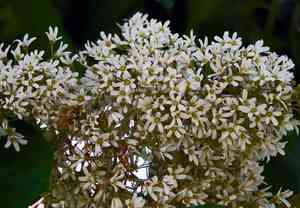
Candlenut can support local ecosystems by offering habitat and food for various beneficial insects and wildlife. Its flowers can attract pollinators like bees and butterflies, boosting local biodiversity. Integrating Candlenut into your garden can create a more balanced ecosystem, fostering a healthier environment for both plants and animals.
Benefits of Candlenut in reducing your garden's carbon footprint
Planting Candlenut can also help reduce your garden's carbon footprint. Like many plants, Candlenut absorbs carbon dioxide during photosynthesis, aiding in mitigating greenhouse gas levels. Additionally, its dense foliage can act as a natural air purifier, improving air quality around your home. By incorporating Candlenut into your landscaping, you can make a positive environmental impact while enhancing your garden's beauty.
Common Candlenut Landscaping Challenges and Solutions
Identifying and managing typical pests and diseases
Candlenut can be vulnerable to certain pests and diseases, such as aphids, spider mites, and fungal infections. Regular inspections and prompt intervention are crucial to address these issues. Using organic insecticides or introducing natural predators like ladybugs can help control pest populations. For fungal diseases, ensure proper spacing and air circulation around Candlenut to reduce humidity and prevent fungal growth.
Techniques for effective garden troubleshooting
Effective troubleshooting involves addressing any problems as they arise. Ensure Candlenut receives adequate sunlight and water, and amend the soil as needed based on observed deficiencies. If you notice any abnormal signs, such as discoloration or wilting, take immediate action by adjusting care practices or consulting a local gardening expert. Keeping a gardening journal to track Candlenut's growth and issues can also help refine your maintenance routine for better results.



