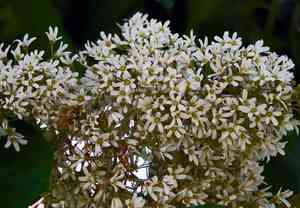
Candlenut (Aleurites moluccanus)
Also known as: Varnish Tree, Kukui nut
The candlenut tree (*Aleurites moluccanus*), which may also be referred to as candleberry, Indian walnut, or kemiri, has an uncertain origin but is deeply symbolic in Hawaii. Known locally as kukui, this tree signifies enlightenment and peace. Historically, its nuts were used for lighting, which ties into its symbolic meaning. Note: Raw candlenuts are toxic and should not be consumed.
In This Article
Attributes of Candlenut
Lifespan
Perennial
Plant Type
Tree
Plant Height
15 m to 25 m
Spread
20 m
Leaf Color
Green
Flower Size
2.5 cm
Flower Color
White Cream
Images of Candlenut
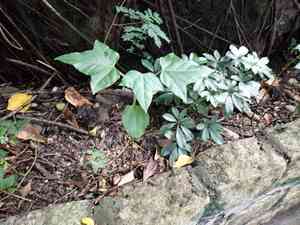
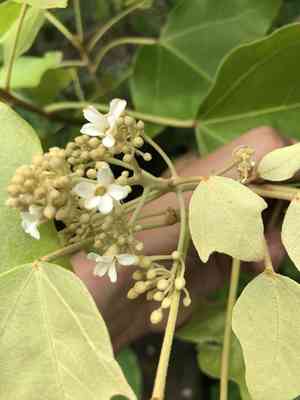
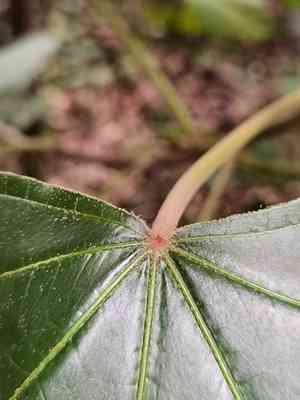
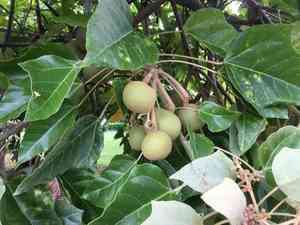
Quickly Identify Candlenut
1
Aleurites moluccanus can be identified by its large, lobed leaves, which are often glossy and range in color from dark green to light green. The tree produces small, white flowers, followed by round nuts that are approximately 4-6 cm in diameter.
Scientific Classification of Candlenut
Phylum
Vascular plants
Class
Dicotyledons
Order
Malpighiales
Family
Spurge
Genus
Aleurites
Species
Candlenut
Planting and Growing of Candlenut
Care Difficulty
Hard
Watering Schedule
Every 2 days
Sunlight Requirements
Full sun
Sunshine Duration
4-8 hours
Ideal Temperature
75-85℉
Soil Type
Potting Mix, Peat Mix
Soil pH
5.5-6.5
Fertilizer Type
Balanced
Pruning Season
Spring, Summer
Pruning Area
Branches, Leaves
Pruning Frequency
2 times a year
Repotting Season
Spring
Pot Type
Plastic, Ceramic
 How to Water Candlenut?
For Aleurites moluccanus, it's crucial to ensure that the soil is moist but not waterlogged. During the growing season, aim to water with approximately 500ml, ensuring the moisture reaches down to the roots without saturating the soil.
What are the symptoms of an underwatered Candlenut?
›
What should I do if my Candlenut is not getting enough water?
›
What are the symptoms of an overwatered Candlenut?
›
How to save an overwatered Candlenut?
›
 What Are the Sunlight Requirements for Candlenut?
Aleurites moluccanus performs optimally with half to full day sunlight. Proper light supports healthy growth, vibrant leaves, and better resistance to disease.
More About Sunlight Requirements Techniques→
How much sunlight does it need?
›
What if my location has limited sunlight?
›
Why is ideal lighting crucial?
›
 What Is the Ideal Temperature Range for Candlenut?
The ideal temperature range for Aleurites moluccanus, commonly known as the candlenut tree, is between 75°F and 85°F. This range provides the perfect balance for the plant's enzymatic activities and metabolic functions, ensuring optimal growth and development. Within this range, the plant can maintain its physiological processes efficiently, promoting healthy foliage and robust nut production.
 What Soil is Best for Candlenut?
Aleurites moluccanus thrives best in well-drained soil to prevent root rot. Ensuring the soil has excellent drainage will keep the roots healthy, allowing the plant to absorb nutrients efficiently. The plant requires moderately fertile soil. Adequate nutrients support the healthy development of roots and foliage, promoting vigorous growth and an abundant yield of seeds, which are often used in traditional medicines. Aerated soil allows roots to breathe and exchange gases efficiently. This is crucial for photosynthesis and overall vitality, ensuring Aleurites moluccanus remains robust and resilient.
 How to Fertilize Candlenut?
For Aleurites moluccanus, the fertilizer amount should be moderate, ensuring you provide sufficient nutrients without overwhelming the plant. For liquid fertilizers, use approximately half the recommended dosage on the package. Solid fertilizers should be applied at a rate of about 50 grams per square meter annually.
 How to Prune Candlenut?
Start by removing any dead or diseased branches with clean, sharp pruning shears. Trim away any crossing branches to prevent them from rubbing against each other. Aim to open up the canopy for improved light penetration and air circulation. Always make cuts at a slight angle, above a leaf node, to promote healthy new growth. To maintain an attractive shape, prune excess growth to create a balanced crown. Target new shoots that disrupt the symmetry, aiming for an open and well-structured appearance. This is particularly beneficial for Aleurites moluccanus as it naturally has a full and spreading canopy.
More About Pruning Techniques→
 How to Propagate Candlenut plant?
1
Ensure that the soil is well-draining and rich in nutrients. Use a mix of peat, sand, and compost to provide a balanced environment that supports seed germination and root development.
2
Place seeds evenly on the surface of the prepared soil. Cover them with a thin layer of soil to keep them moist and warm, facilitating optimal conditions for germination.
3
Select healthy branches and use pruning shears to clip 6-8 inch sections. Remove lower leaves and dip the cut ends in rooting hormone before planting them in a suitable growing medium.
 How to Repot Candlenut plant?
1
Repotting should occur when roots protrude from the pot's drainage holes or if potting soil dries out rapidly. These are signs that your Aleurites moluccanus needs more room to grow, ensuring optimal health and vigor.
2
Select a pot that is one size larger than the current one, with good drainage holes. The extra space provides room for root expansion, while adequate drainage prevents root rot, protecting the plant's well-being.
3
Opt for a well-draining mix composed of peat, compost, and perlite. This mixture offers necessary nutrients while preventing waterlogging, promoting a healthy root system and lush foliage.
Toxicity
Ingestion
WARNING
The judgment on toxicity and danger is for reference only. We DO NOT GUARANTEE any accuracy of such judgment. Therefore, you SHALL NOT rely on such judgment. It is IMPORTANT TO SEEK PROFESSIONAL ADVICE in advance when necessary.
Learn More About Candlenut Diseases
Anthracnose
Bacterial Leaf Spot
Bacterial Soft Rot
Bacterial Wilt
Chemical Injury
Crown Gall
Cyst Nematode
Damping-off
Downy Mildew
Drought Stress
Fusarium Wilt
Gray Mold
Leaf Curl
Leaf Spot
Mosaic
Nutrient Deficiency
Nutrient Toxicity
Powdery Mildew
Root Rot
Root-knot Nematode
Rusts
Sooty Mold
Spider Mites
Temperature Stress
Thrips Damage
White Mold



