How to Prune Lady's-mantle?
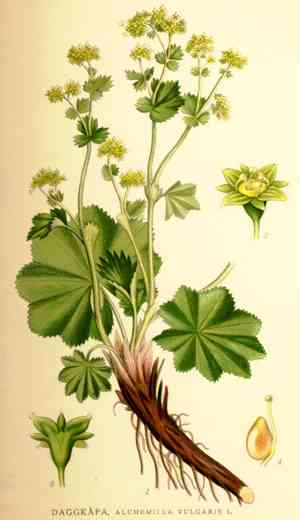
Alchemilla, recognized for its lobed foliage and diminutive, chartreuse blossoms, thrives with trimming after its flowering period to encourage robust development and preserve its form. This horticultural practice should be carried out in late spring or early summer subsequent to blooming. Such action fosters more compact leaves and deters seed production, ensuring the plant remains strong and controllable. Accurate timing and method guarantee Alchemilla's aesthetic value and well-being.
What Are the Benefits of Pruning Lady's-mantle?
What Are the Benefits of Pruning Lady's-mantle?
Trimming lady's-mantle encourages robust new development and helps maintain its desired form. Consistent cutting prevents plant congestion, improving air circulation and lowering disease risk.
What Is the Best Time for Pruning Lady's-mantle?
What Is the Best Time for Pruning Lady's-mantle?
Lady's-mantle begins its active growth period in early spring, making this an ideal time for trimming to promote healthy development and shaping. Pruning at the start of spring allows for the removal of winter-damaged or diseased parts, fostering strong new growth. Summer pruning, especially after the initial bloom, can benefit lady's-mantle by encouraging a second flowering and maintaining a compact, appealing shape. Removing spent flowers during summer not only enhances appearance but potentially boosts the plant's overall health and vitality by preventing energy waste on seed production.
What Tools Do I Need to Prune Lady's-mantle?
Hand Pruners or Secateurs
Perfect for lady's-mantle, which typically has small, soft stems that don't require heavy-duty tools. These enable precise cuts that encourage healthy regrowth.
Gardening Shears
Useful for shaping and trimming the dense foliage of lady's-mantle, allowing for even and aesthetically pleasing growth patterns.
Garden Scissors
Helpful for deadheading and minor trimming of lady's-mantle, providing the control and accuracy needed to maintain plant health without harming delicate leaves.
How to Prune Lady's-mantle
Identify
Locate any diseased or withered leaves and stems on lady's-mantle. Observe closely for unusual color, spots, or wilting compared to healthy sections.
Disinfect
Sanitize your pruning shears before beginning. Use a bleach or rubbing alcohol solution to prevent transferring pathogens from one part of lady's-mantle to another or to different plants.
Cut
Sever the identified diseased leaves at their base, near the main stem of lady's-mantle, without harming healthy adjacent foliage. For diseased stems, cut back to a healthy section. Ensure cuts are clean and angled to prevent water accumulation.
Clean
Carefully remove all pruned material from around lady's-mantle. Dispose of diseased leaves and stems away from healthy plants to prevent infection spread.
Monitor
Regularly observe lady's-mantle after pruning for signs of further disease or recovery. Adjust care as needed to promote healthy growth.
Common Pruning Mistakes with Lady's-mantle
Overpruning
A frequent error is removing too much foliage from lady's-mantle, which can weaken the plant. It's essential to prune only the necessary amount to shape the plant and remove spent blooms or damaged leaves.
Improper tool use
Using dull or dirty pruning tools can harm the stems of lady's-mantle, leading to jagged cuts that heal poorly. This exposes the plant to potential infections and pests.
Pruning healthy growth
Novice gardeners sometimes mistakenly prune new, healthy growth instead of focusing on older, fading flowers or damaged foliage. This can limit the plant's overall growth and vigor.
Common Pruning Tips for Lady's-mantle
Selective pruning
Focus on removing only the faded flowers and damaged or diseased leaves. This encourages lady's-mantle to produce new growth and potentially more flowers, enhancing its overall health and appearance.
Tool maintenance
Always use sharp, clean pruning shears or scissors. This ensures clean cuts that heal quickly, minimizing stress and the risk of disease.
Post-pruning care
After pruning, provide lady's-mantle with adequate water and possibly a light fertilizer to support recovery and new growth. This helps the plant to rejuvenate and thrive throughout the growing season.



