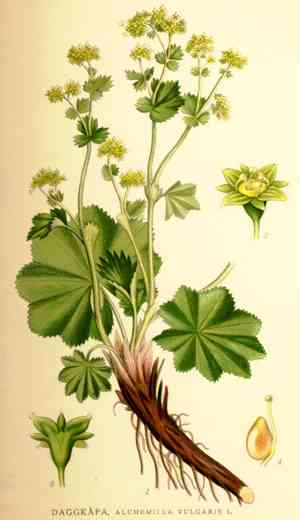
Lady's-mantle (Alchemilla vulgaris)
Also known as: Lady's Mantle, Lion's Foot, Bear's Foot
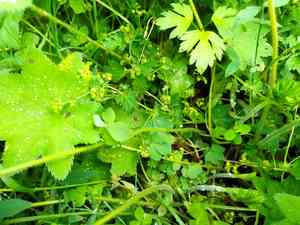
Lady's Mantle, scientifically known as Alchemilla mollis, is a perennial herbaceous plant notable for its uniquely fan-shaped, pleated leaves with serrated edges that capture dewdrops beautifully. It produces small, greenish-yellow flowers arranged in loose clusters. This versatile plant flourishes in cooler climates and serves as excellent ground cover for woodland edges and garden beds.
In This Article
Attributes of Lady's-mantle
Lifespan
Perennial
Plant Type
Herb
Plant Height
10-50 cm
Spread
15-30 cm
Leaf Color
Green
Flower Size
0.1-0.3 cm
Flower Color
Greenish-yellow
Images of Lady's-mantle
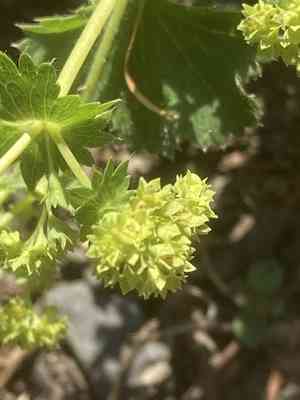
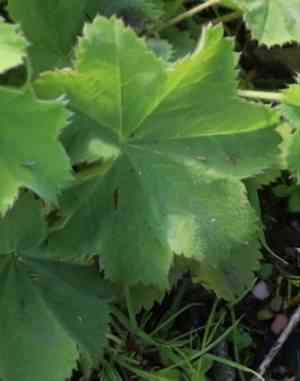
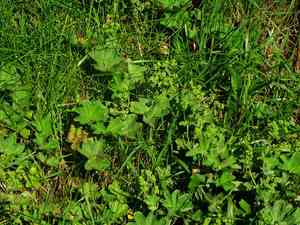
Quickly Identify Lady's-mantle
1
Look for its soft, hairy, fan-shaped leaves that are lobed and have serrated edges. The greenish-yellow flowers are small and form dense clusters. The plant often has a distinctive dew formation on leaf surfaces.
Scientific Classification of Lady's-mantle
Phylum
Vascular plants
Class
Dicotyledons
Order
Rosales
Family
Rose
Genus
Lady's mantles
Species
Lady's-mantle
Planting and Growing of Lady's-mantle
Care Difficulty
Easy
Watering Schedule
Every 2 days
Sunlight Requirements
Partial sun
Sunshine Duration
10-14 hours
Ideal Temperature
59-68℉
Soil Type
Potting Mix, Peat Mix
Soil pH
5-7.5
Fertilizer Type
Balanced
Pruning Season
Spring, Summer
Pruning Area
Branches, Leaves
Pruning Frequency
2 times a year
Repotting Season
Spring
Pot Type
Plastic, Ceramic
 How to Water Lady's-mantle?
When watering Alchemilla vulgaris, aim to saturate the soil with about 500 ml of water each time. The goal is to keep the soil consistently moist without becoming waterlogged. Ensure water reaches the roots but do not leave the plant sitting in standing water.
What are the symptoms of an underwatered Lady's-mantle?
›
What should I do if my Lady's-mantle is not getting enough water?
›
What are the symptoms of an overwatered Lady's-mantle?
›
How to save an overwatered Lady's-mantle?
›
 What Are the Sunlight Requirements for Lady's-mantle?
Alchemilla vulgaris benefits from partial sun or full shade, ideally enjoying 3 to 6 hours of dappled sunshine. This range enhances its growth by providing energy for photosynthesis without overwhelming the plant.
What is the best lighting condition for Alchemilla vulgaris?
›
How can you ensure the plant receives its ideal lighting?
›
What are the benefits of optimal lighting for this plant?
›
 What Is the Ideal Temperature Range for Lady's-mantle?
The ideal temperature range for growing Alchemilla vulgaris is between 59 and 68 degrees Fahrenheit. This range allows the plant to perform essential processes like photosynthesis and respiration effectively. Any deviation from this range may slow down the plant's growth or affect its general health, so maintaining a stable environment is crucial.
 What Soil is Best for Lady's-mantle?
Alchemilla vulgaris thrives in well-drained soils, which prevent waterlogging that can lead to root rot. Ensuring the soil drains well helps maintain healthy roots and facilitate nutrient uptake, ultimately promoting robust plant growth. This plant benefits from soil enriched with organic matter, such as compost or well-rotted manure. Organic matter improves soil structure and fertility, providing essential nutrients and enhancing water retention without causing sogginess. Though good drainage is vital, Alchemilla vulgaris also appreciates soil that can hold some moisture, thus preventing it from drying out completely. A balance between moisture retention and drainage is crucial for consistent growth.
 How to Fertilize Lady's-mantle?
Alchemilla vulgaris doesn't require large amounts of fertilizer. Use about half the amount recommended on a balanced liquid or granular fertilizer package. This ensures the plant has sufficient nutrients without risk of over-fertilizing.
 How to Prune Lady's-mantle?
Begin by deadheading the spent flowers to encourage repeat blooming. Use your pruning shears to cut the flower stem back to the base of the nearest leaf. This will redirect the plant’s energy from seed production to new growth and flowering. Trim back overgrown stems to maintain the desired shape and size of the plant. Follow the natural contour of the plant, cutting just above a leaf node to encourage bushiness. Regular trimming helps the plant maintain a tidy appearance and increases air circulation around the foliage. Carefully inspect the plant for any dead or damaged stems. Cut these back to the base to maintain plant health and prevent disease. Carefully removing these stems will allow your plant to use its resources more efficiently for healthy parts.
More About Pruning Techniques→
 How to Propagate Lady's-mantle plant?
1
Use a well-draining soilless mix in seed trays or pots. This is crucial because Alchemilla vulgaris prefers neutral to slightly acidic soil, and a well-draining medium prevents waterlogging which could cause root rot.
2
Sprinkle seeds thinly over the surface and cover lightly with soil. It is important to ensure that seeds are not buried too deep as they require light to germinate effectively. Keeping the soil consistently moist but not wet is key during initial germination.
3
Dig up mature plants and carefully separate root clumps into smaller sections. Each section should have roots and shoots to ensure they can establish themselves quickly after replanting. Replant immediately to reduce stress on the divisions.
 How to Repot Lady's-mantle plant?
1
Alchemilla vulgaris should be repotted when you notice roots emerging from the drainage holes or when the plant's growth appears stunted. It's also a sign if the soil dries out more quickly than usual. Aim to repot before the active growth phase in spring or during warm summer months.
2
Select a pot that is 1-2 inches larger in diameter than the current one. A pot with adequate drainage holes prevents waterlogging, which is crucial for the plant's health. Terracotta pots can also help manage moisture levels due to their porous nature.
3
Opt for a well-draining potting mix rich in organic matter. This ensures that the plant has access to the nutrients it needs while preventing issues like root rot. A mix containing peat, perlite, and compost works well for maintaining moisture without becoming waterlogged.



