How to Prune Weber's century plant?
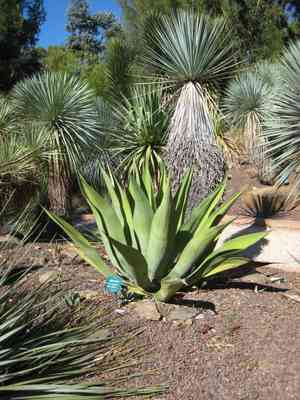
Agave weberi is a resilient succulent distinguished by its substantial, succulent foliage organized in a circular arrangement. Essential trimming methods involve detaching withered or compromised leaves from the base using disinfected implements to avert illness. The ideal period for trimming is in early spring or late winter, coinciding with the plant's developmental phase. Trimming improves air circulation, diminishes problems with pests, and preserves the plant's visual appeal. Always use protective gloves due to the sharp thorns on Agave weberi's leaves.
What Are the Benefits of Pruning Weber's Century Plant?
What Are the Benefits of Pruning Weber's Century Plant?
Pruning Weber's century plant promotes robust development and helps maintain its desired form. This practice minimizes potential pest and disease issues, supports healthy growth, and improves the plant's overall look, ensuring Weber's century plant stays strong and visually appealing.
What Is the Best Time for Pruning Weber's Century Plant?
What Is the Best Time for Pruning Weber's Century Plant?
Trimming Weber's century plant in early spring and late winter aligns with its natural growth cycle. This timing ensures the plant is cut just before its main growing season, leading to healthier and more vigorous development. Additionally, pruning during these periods reduces the chance of disease and pest infestations that can occur when the plant is actively growing. Early spring and late winter are also ideal because Weber's century plant is less likely to suffer stress from pruning, which can boost its resilience and encourage stronger flowering.
What Tools Do I Need to Prune Weber's Century Plant?
Gardening Gloves
Crucial for safeguarding hands from the sharp edges of Weber's century plant's foliage and potential irritants.
Bypass Pruners
Perfect for making clean cuts on smaller, softer plant tissue without crushing it.
Loppers
Useful for cutting thicker, tougher stems and dead leaves that are harder to manage.
Pruning Saw
Essential for handling larger, tougher parts of Weber's century plant that are too big for pruners and loppers.
Long-handled Pruning Shears
Excellent for reaching inner sections of larger Weber's century plant specimens without touching the sharp leaves.
How to Prune Weber's Century Plant
Inspection
Examine the plant closely to identify any diseased or withered leaves. This ensures only necessary parts are removed.
Sanitation
Clean your pruning tools with a solution of one part bleach to ten parts water to prevent disease spread.
Removal
Carefully cut away diseased leaves near the base, avoiding damage to the plant's core. Use sharp, clean pruning shears for a precise cut.
Disposal
Properly dispose of pruned diseased leaves. Do not compost them as they can harbor pathogens.
Withered removal
Trim off withered leaves by cutting them as close to the stem as possible. Ensure thorough removal to maintain the plantâs health and appearance.
Common Pruning Mistakes with Weber's Century Plant
Over-pruning
Removing too many leaves at once can stress Weber's century plant, potentially leading to poor growth or increased vulnerability to disease.
Improper technique
Using dull or unsuitable tools can result in jagged cuts, which may not heal properly and can introduce pathogens.
Pruning too close to the base
Cutting leaves too close to the base can harm the heart of Weber's century plant, impeding its ability to produce new leaves.
Ignoring safety
The sharp spines and stiff leaves of Weber's century plant can cause injury. Failing to wear protective gear like gloves and long sleeves increases the risk of cuts and scratches.
Common Pruning Tips for Weber's Century Plant
Use sharp and sanitized tools
Always use clean, sharp pruning shears to make precise cuts and minimize the risk of infection.
Remove only dead or damaged leaves
Focus on cutting off dead, damaged, or diseased leaves to encourage healthy growth without stressing Weber's century plant. Avoid cutting healthy leaves unnecessarily.
Cut away from the base
When pruning, leave a small stub to prevent damage to the main plant body. This helps ensure the plant can continue to thrive.
Wear protective gear
Wear gloves and long sleeves to protect yourself from the sharp spines and tough leaves of Weber's century plant.



