How to Propagate Weber's century plant?
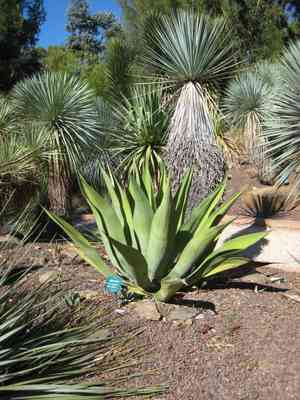
Recognized for its remarkable rosette configuration and substantial dimensions, weber's century plant stands as a visually captivating succulent. Reproduction primarily occurs through separation, wherein young plantlets or 'pups' are meticulously removed from the mature specimen once their root systems have formed. Following their separation, allow these plantlets to air-dry for several days prior to potting. Guarantee the utilization of a substrate that drains effectively and refrain from excessive watering to avert root decay. This straightforward yet efficient method contributes to preserving the distinctive architecture and vitality of weber's century plant.
When Is the Optimal Time to Propagate Weber's Century Plant?
Propagation Method
Separation
Propagation Period
Spring,Autumn
What Implements Are Utilized for Weber's Century Plant Propagation?
Sharp Knife or Pruning Shears
A keen knife or garden shears are crucial for detaching offsets or pups from the parent specimen. These instruments ensure clean cuts, minimizing the risk of harm and infection, which is vital for the healthy growth of new plants.
Gloves
Robust, protective gloves are essential for handling weber's century plant safely. The plant possesses sharp spines and edges that can cause injury. Gloves help prevent hand injuries during the propagation process.
Trowel
A trowel is employed to carefully excavate around the base of the plant and its offshoots. This tool aids in loosening the soil and exposing the roots without causing undue disruption to the plant.
Rooting Hormone
Rooting hormone can be applied to the severed ends of the offsets to stimulate quicker root development. This is particularly advantageous for enhancing the chances of successful establishment and growth of the new plants.
Potting Containers
Receptacles are necessary for planting the separated offsets. It is important to use appropriately sized containers to accommodate the root system and allow for proper growth and drainage.
Well-draining Potting Mix
A potting mix that drains effectively is vital to prevent waterlogging, which can lead to root rot. A blend specifically formulated for succulents and cacti is ideal, providing the correct balance of aeration and moisture retention.
Watering Can with Fine Spout
A watering can equipped with a fine spout ensures gentle irrigation of the new plants. This prevents soil displacement and potential harm to the young, delicate roots while providing adequate hydration.
How to Propagate Weber's Century Plant?
Propagation Type
Simple
How to Care for Your Newly Propagated Weber's Century Plant?
How to Care for Your Newly Propagated Weber's Century Plant?
Post-propagation, position weber's century plant in an area that receives full sun to partial shade. Water sparingly, allowing the soil to completely dry between waterings. Fertilize lightly with a balanced, low-nitrogen fertilizer during the active growth period. Shield the plant from excessive watering and frost, as weber's century plant thrives in warm and arid conditions. Regularly inspect for pests and diseases, and promptly remove any affected parts to maintain plant vitality.
Common Errors to Avoid When Propagating Weber's Century Plant
Overwatering
Excessive moisture can result in root rot and fungal infections. Weber's century plant prefers dry conditions, and too much water can be harmful.
Incorrect Soil Type
Utilizing soil that retains too much water can harm weber's century plant. It requires well-draining soil to prevent waterlogging.
Planting Depth
Planting too deeply can cause the base of the plant to decay. Weber's century plant should be planted with its roots just covered.
Improper Light Conditions
Insufficient light can hinder growth. Weber's century plant needs ample sunlight to flourish and propagate successfully.
Ignoring Pests
Failing to monitor for pests like agave snout weevil can lead to significant damage or plant demise.
Tips For Propagating Weber's Century Plant
Proper Soil
Employ a well-draining cactus or succulent mix to ensure that surplus water can easily drain away from the roots.
Watering
Water sparingly. Allow the soil to completely dry out between waterings to emulate its natural arid habitat.
Planting Depth
Plant weber's century plant shallowly, just enough to cover the roots, to avert the risk of rot.
Sunlight
Place weber's century plant in a location where it can receive abundant direct sunlight, as it thrives in full sun.
Pest Monitoring
Regularly check for pests and act swiftly to eliminate any detected. Early intervention can save the plant from extensive damage.



