How to Prune Havard's century plant?
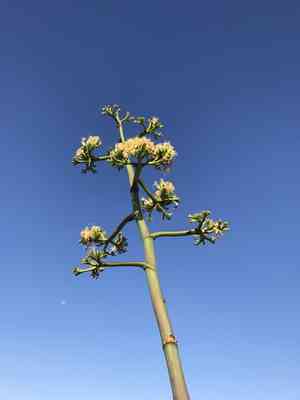
Agave havardiana, recognized for its succulent leaf clusters and towering floral stems, thrives with limited trimming. Concentrate on detaching withered or compromised foliage in late winter or early spring to foster robust development and avert ailments. Cut back faded flower spikes after blooming to preserve visual appeal. Performing these pruning tasks corresponds with the plant's developmental rhythm and seasonal functions, aiding in energy conservation and flourishing. Consistent trimming improves air movement and general hardiness.
Advantages of Trimming Havard's Century Plant
Advantages of Trimming Havard's Century Plant
Trimming havard's century plant encourages robust development and maintains its form, enhancing its visual appeal. It aids in size management, preventing congestion, and lowers the chance of pests and illnesses by eliminating dead or damaged foliage.
Optimal Time for Trimming Havard's Century Plant
Optimal Time for Trimming Havard's Century Plant
Trimming havard's century plant in late winter or early spring is ideal as it coincides with the plant's dormant phase. During this period, the plant is not actively growing, which minimizes stress and potential harm. Pruning before the active growth stage helps in managing the plant's shape and size more effectively, allowing it to develop healthy new growth in the upcoming season. Additionally, pruning in these seasons helps prevent the spread of diseases and pests that are less active during colder weather.
Necessary Tools for Trimming Havard's Century Plant
Pruning Shears
Perfect for removing small, dead, or damaged leaves. They enable precise cuts without causing extensive harm to the plant.
Pruning Saw
Useful for addressing larger, more fibrous sections of the plant. Ensures clean cuts through thicker parts.
Long-handled Loppers
These offer extended reach to safely access and remove tougher sections without getting too close to the plant's sharp edges.
Gloves
Crucial for safeguarding your hands from the sharp spines and leaf margins.
How to Trim Havard's Century Plant
Evaluate
Inspect havard's century plant for any diseased or withered foliage. Look for signs of discoloration, wilting, or damage.
Prepare Equipment
Gather sterilized pruning shears or a sharp knife to prevent disease transmission. Ensure tools are clean and sharp for accurate cuts.
Remove and Dispose
Cut away diseased leaves by trimming as close to the base as possible without harming the main plant. Immediately discard these leaves to prevent any potential disease spread.
Address Withered
Similarly, remove any withered leaves. Make clean cuts near the base, being careful not to injure healthy tissue.
Clean Area
After trimming, clear away any debris around havard's century plant's base. This helps maintain cleanliness and reduces the risk of pests and diseases.
Common Trimming Errors with Havard's Century Plant
Excessive Trimming
Removing too many leaves can weaken havard's century plant and hinder its growth, as the plant relies on its foliage for photosynthesis.
Incorrect Tools
Using dull or unsuitable tools can damage plant tissues, making havard's century plant more vulnerable to infections.
Trimming Wrong Parts
Cutting off the central rosette or new growth areas instead of just the damaged or dead leaves can impede havard's century plant's proper development.
Neglecting Hygiene
Failing to clean trimming tools before and after use can spread diseases between plants, affecting the health of havard's century plant.
Overly Frequent Trimming
Frequent trimming can stress havard's century plant, as it requires time for the plant to recover from each cut.
General Trimming Advice for Havard's Century Plant
Utilize sharp, clean tools
Always select sharp and sterilized pruning shears or knives to make clean cuts and minimize the risk of infections.
Eliminate dead leaves
Only trim brown, withered, or damaged leaves to keep havard's century plant healthy and visually appealing, without compromising its growth.
Cut at the base
When removing leaves, cut them at the base, close to the plant's main body, to avoid leaving stubs that can attract pests.
Wear protective gear
Wear gloves and long sleeves to shield yourself from the sharp edges and potential skin irritants present in havard's century plant.
Monitor plant condition
Observe the overall health of havard's century plant and adjust trimming practices accordingly, ensuring not to stress the plant with excessive cuts.



