Havard's century plant (Agave havardiana)
Also known as: Harvard agave
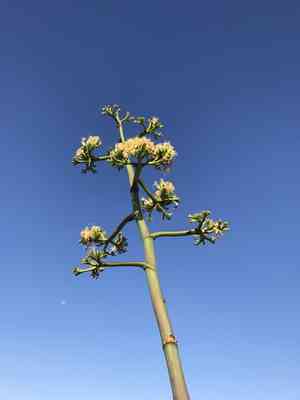
Harvard's century plant, indigenous to the southwestern U.S. and northern Mexico, stands out due to its striking rosette of long, rigid leaves with sharp tips and serrated edges. The plant's most dramatic feature is its rare blooming event, occurring after many years. During this time, it sends up a towering flower spike adorned with clusters of yellow-green flowers, attracting pollinators such as bees and hummingbirds. After this spectacular bloom, the plant typically dies, but new shoots often emerge from its base.
In This Article
Attributes of Havard's century plant
Lifespan
Perennial
Plant Type
Succulent
Plant Height
30 cm to 91 cm
Spread
5-6 feet
Leaf Color
Blue Green Gray Silver
Flower Size
1-2 inches
Flower Color
White Yellow Green
Images of Havard's century plant
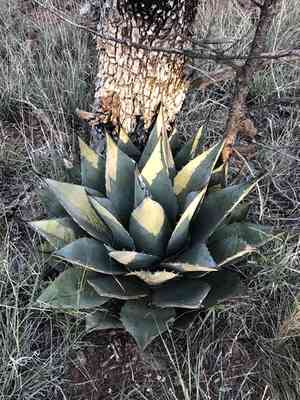
Quickly Identify Havard's century plant
1
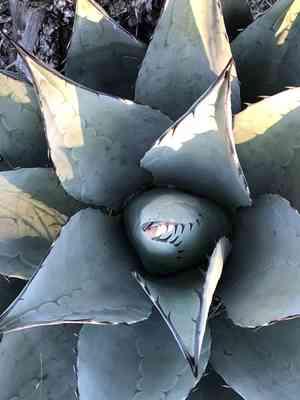
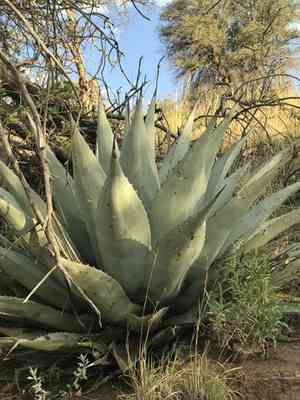
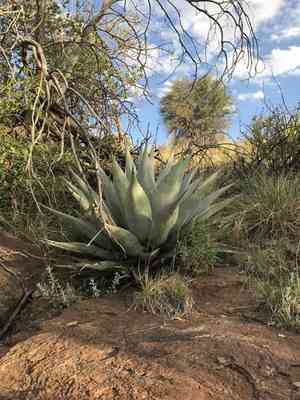
Stout, short, broad silver-gray leaves
2
Prominent dark brown marginal and terminal spines
3
Tight rosette, 2-3 feet (60-90 cm) tall
4
Yellow-green flowers on tall, branched spike
5
3-4 feet (90-120 cm) wide succulent plant
Scientific Classification of Havard's century plant
Phylum
Vascular plants
Class
Monocotyledons
Order
Asparagales
Family
Asparagus
Genus
Agaves
Species
Havard's century plant
Planting and Growing of Havard's century plant
Care Difficulty
Easy
Watering Schedule
Every 2 days
Sunlight Requirements
Full sun
Sunshine Duration
6-10 hours
Ideal Temperature
60-80℉
Soil Type
Potting Mix, Peat Mix
Soil pH
6.5-7.5
Fertilizer Type
Balanced
Pruning Season
Spring, Summer
Pruning Area
Branches, Leaves
Pruning Frequency
2 times a year
Repotting Season
Spring
Pot Type
Plastic, Ceramic
 How to Water Havard's century plant?
Agave havardiana prefers moderate watering. It's best to water thoroughly until the soil is moist but not waterlogged, ensuring excess water drains away. The root zone should feel damp without pooling water, reflecting its drought-tolerant nature.
What are the symptoms of an underwatered Havard's century plant?
›
What should I do if my Havard's century plant is not getting enough water?
›
What are the symptoms of an overwatered Havard's century plant?
›
How to save an overwatered Havard's century plant?
›
 What Are the Sunlight Requirements for Havard's century plant?
Agave havardiana prefers full sun exposure, translating to being under direct sunlight for about six to eight hours. This light condition supports robust growth, strengthening its leaves and maintaining vibrant coloration.
How much sunlight does it need?
›
How to achieve ideal lighting for it?
›
Benefits of ideal lighting conditions?
›
 What Is the Ideal Temperature Range for Havard's century plant?
The ideal temperature range for growing Agave havardiana is between 60°F and 80°F. This range provides the optimal conditions for photosynthesis and metabolic processes, ensuring healthy growth and development. Maintaining this temperature range will help the plant maintain the vibrancy and health that is characteristic of healthy Agave havardiana.
 What Soil is Best for Havard's century plant?
Agave havardiana thrives in soil that provides excellent drainage. Good airflow and drainage prevent root rot by allowing excess water to escape rather than stagnating. Ensuring your soil has a sandy or loam composition will help achieve this, mimicking its native environment. These plants are accustomed to survival in nutrient-deficient areas. Choosing soil that does not retain excess nutrients helps prevent over-fertilization issues, allowing your Agave to stay healthy and grow at its natural rate. Agave havardiana prefers a soil pH between 6.5 and 7.5. Maintaining this pH range ensures adequate nutrient uptake and prevents issues such as chlorosis or stunted growth. Regular pH testing can help maintain optimal conditions for overall plant health.
 How to Fertilize Havard's century plant?
Agave havardiana benefits from a modest fertilization approach. It's important to use a diluted liquid fertilizer, at about half the recommended strength, to avoid overwhelming the plant. Opt for a balanced 10-10-10 formula and apply about 1/4 cup for a small potted plant. For a larger or outdoor plant, you can increase the amount proportionally.
 How to Prune Havard's century plant?
Start by identifying any dead, damaged, or discolored leaves. These are the ones you need to remove as they can harbor pests and diseases that might affect healthy parts of the plant. Carefully prune around the base of the plant. Remove any small pups or suckers that are overcrowding the main agave. This not only helps in the plant's health but can also give more room for its magnificent rosette shape to stand out.
More About Pruning Techniques→
 How to Propagate Havard's century plant plant?
1
Collect seeds from a mature Agave havardiana plant. Clean the seeds by removing any pulp or debris. Seeds should be soaked in water for 24 hours to signal them for germination, giving them a better start in the germination process.
2
After soaking, sow the seeds in a prepared seed tray filled with a sandy soil mix. Ensure they are evenly spaced and lightly covered with soil. Place the tray in a warm, bright location, avoiding direct sunlight.
3
For division, identify healthy offsets around the base of a mature agave plant. Carefully dig around the offset to remove it with roots attached. Plant the offsets in individual pots with proper soil mix.
 How to Repot Havard's century plant plant?
1
Agave havardiana shows signs of needing a new pot when its roots become visible through drainage holes or when its growth slows despite adequate care. Spring and early summer offer the best conditions for repotting this resilient plant, ensuring minimal stress.
2
Select a pot that's only slightly larger than the current root ball. A pot with good drainage optimizes water flow, preventing root rot. A shallow, wide container helps accommodate the agave's growth pattern, promoting healthy, extensive leaf spread.
3
Use a well-draining soil, preferably a cactus mix, to replicate its natural environment. This ensures excess water flows freely, keeping the roots healthy. A gritty texture prevents compaction, providing the right balance of moisture and aeration.
Toxicity
Ingestion, Skin contact
WARNING
The judgment on toxicity and danger is for reference only. We DO NOT GUARANTEE any accuracy of such judgment. Therefore, you SHALL NOT rely on such judgment. It is IMPORTANT TO SEEK PROFESSIONAL ADVICE in advance when necessary.



