How to Propagate Havard's century plant?
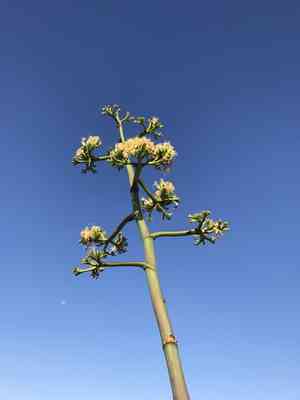
Agave havardiana, a robust, arid-adapted succulent, is recognized for its striking rosette of substantial, grayish-green foliage. Its reproduction largely occurs through separation, a simple and dependable technique. Gently detach the young plantlets from the main plant's base, making sure each offset retains a portion of its root system. Place these in a growing medium that drains effectively, and irrigate minimally to avoid decay. This approach guarantees vigorous new specimens, preserving the traits of the original plant.
When Is the Optimal Time to Propagate Havard's Century Plant?
Propagation Type
Separation
Propagation Season
Spring,Autumn
What Implements Are Utilized for Havard's Century Plant Propagation?
Sharp Knife or Pruners
A keen blade or sanitized pruners are vital for cleanly detaching the offsets (pups) from the parent plant. Consistent and precise cuts help minimize harm and foster healthier, more vigorous development in both the parent and the offset.
Gloves
Given havard's century plant's sharp spines and potential for skin irritation, wearing thick, protective hand coverings is essential. These gloves offer a barrier against injury, making the division process safer and more comfortable.
Potting Mix
Employing a well-draining potting medium specifically for succulents is crucial to prevent waterlogging and root decay in havard's century plant. This specialized soil ensures that the newly potted offsets have the ideal growing conditions to establish roots quickly.
Containers
Receptacles with adequate drainage holes are necessary for planting the separated offsets. These containers, preferably terracotta or plastic pots, provide ample drainage, preventing excess moisture accumulation, which is critical for the plant's healthy development.
Rooting Hormone
Applying rooting stimulant to the cut ends of the offsets can enhance root formation and improve the propagation success rate. This hormone provides essential nutrients that encourage root growth, ensuring the offsets establish more rapidly.
Spray Bottle
Utilizing a mister to lightly moisten the soil can help maintain the appropriate moisture level without over-saturating. This tool ensures the newly separated offsets receive sufficient water to initiate root growth while avoiding excess moisture that could lead to rot.
Labeling Stakes
Labeling markers are beneficial for tracking propagation progress and maintaining order, especially if propagating multiple offsets or varieties. Clear labels help monitor each plant's development and ensure accurate record-keeping of care routines and progress.
How to Propagate Havard's Century Plant?
Propagation Type
Simple
How to Nurture Your Newly Propagated Havard's Century Plant?
How to Nurture Your Newly Propagated Havard's Century Plant?
Post-propagation, maintain a well-draining soil blend that is kept slightly damp but not waterlogged to avert root rot. Ensure sufficient sunlight, preferably indirect to direct light as the plant matures. Water sparingly, especially during dormant periods, and provide occasional feeding with a balanced cactus fertilizer during the active growth season to support robust development. Shield the plants from freezing temperatures and apply gravel mulch atop the soil to enhance drainage.
Common Errors to Avoid When Propagating Havard's Century Plant
Overwatering
Providing too much moisture can cause root rot and fungal diseases, which are detrimental to havard's century plant's well-being.
Incorrect Soil
Using soil with poor drainage leads to waterlogged conditions that can harm havard's century plant's roots.
Planting Depth
Setting offsets too deep can impede their ability to establish roots and grow correctly.
Lack of Light
Not providing adequate light can hinder havard's century plant's growth and result in weak, elongated plants.
Advice For Propagating Havard's Century Plant
Well-Draining Soil
Employ a cactus or succulent mix to ensure excellent drainage and prevent waterlogging.
Moderate Watering
Water sparingly, allowing the soil to dry out between waterings to avoid root rot.
Proper Planting Depth
Plant offsets at the same depth they were previously grown to encourage healthy root development.
Full Sun Exposure
Place havard's century plant in a location with ample sunlight to promote robust growth and a healthy plant.



