How to Prune Threadleaf giant hyssop?
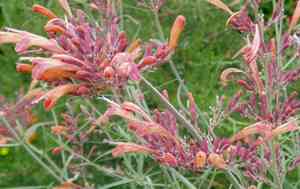
Agastache foeniculum benefits from strategic trimming to foster robust development and prolific flowering. The most suitable period for pruning is in spring, to eliminate deceased or compromised stalks, thereby stimulating fresh shoots. A gentle shaping in summer aids in preserving its form and sustaining an uninterrupted floral exhibition. Concentrate on excising faded blossoms and any elongated or densely packed limbs. Trimming not only boosts visual appeal but also enhances air movement, diminishing the likelihood of ailments. Consistent, deliberate pruning guarantees a lively, energetic specimen throughout its active period.
Advantages of Trimming Threadleaf Giant Hyssop
Advantages of Trimming Threadleaf Giant Hyssop
Trimming threadleaf giant hyssop fosters robust development and preserves the plant's form. It stimulates healthy new shoots and blooming. Consistent trimming aids in preventing legginess, managing size, and enhancing the plant's resistance to pests and diseases.
Optimal Time for Trimming Threadleaf Giant Hyssop
Optimal Time for Trimming Threadleaf Giant Hyssop
Trimming in early Spring is perfect for threadleaf giant hyssop as it readies the plant for the upcoming growing season, promoting healthier and more vigorous growth. This period aligns with threadleaf giant hyssop's active growth phase before it fully establishes its seasonal foliage and flowers. Summer trimming, if required, can assist in maintaining the plant's shape and controlling its dimensions, especially after the initial bloom, ensuring better air circulation and light penetration. This season is appropriate as threadleaf giant hyssop enters a less vigorous growth phase, minimizing the risk of stress or damage from trimming activities. Furthermore, avoiding late Fall or Winter trimming helps prevent exposure to frost damage and reduces the likelihood of disease.
Tools Required for Trimming Threadleaf Giant Hyssop
Hand Pruners
Perfect for precise cuts on the delicate stems of threadleaf giant hyssop, enabling clean and accurate trimming to encourage healthy development.
Bypass Pruners
Best for cutting live, green stems without crushing them, ensuring minimal harm to threadleaf giant hyssop's fragile foliage.
Hedge Shears
Useful for shaping the plant and cutting back large sections, particularly during seasonal upkeep of threadleaf giant hyssop.
Pruning Saw
Helpful for removing any thicker, woody stems that may develop over time in mature plants.
How to Trim Threadleaf Giant Hyssop
Assess
Examine threadleaf giant hyssop for any indications of diseased leaves, withered leaves, and diseased stems. This will assist you in identifying which parts require removal.
Diseased leaves
Using clean, sterilized pruning shears, snip off any diseased leaves. Make the cuts close to the stem but avoid harming the main stem.
Withered leaves
Trim any withered leaves by cutting them off at the point where they meet healthy foliage, ensuring you do not disturb healthy parts of threadleaf giant hyssop.
Diseased stems
Remove any diseased stems by cutting them back to the base or to a junction where a healthy stem branches off. Make clean cuts to prevent further infection.
Cleanup
Clear away all trimmed parts from the base of threadleaf giant hyssop to prevent any potential spread of disease and to maintain a tidy growing area.
Common Trimming Errors with Threadleaf Giant Hyssop
Improper Technique
Using dull or dirty tools can cause more harm than good. Always use sharp, clean pruning shears to ensure clean cuts that heal quickly.
Trimming Too Aggressively
Over-trimming can stress threadleaf giant hyssop and hinder its growth. Removing too much of the plant at one time can weaken it and reduce flowering potential.
Ignoring Dead or Diseased Parts
Neglecting to remove dead, diseased, or damaged stems can affect the overall health of threadleaf giant hyssop. These should be cut away to prevent disease spread and encourage healthy growth.
Incorrect Cutting Location
Making cuts too close to the main stem or too far from a node can hinder proper healing. Cuts should be made just above a node or leaf joint.
General Trimming Advice for Threadleaf Giant Hyssop
Sanitize Your Tools
Always sterilize pruning tools before and after use to prevent the spread of disease. A solution of one part bleach to nine parts water works well for this purpose.
Trim to Encourage Air Circulation
Remove stems that are overcrowded or crossing to improve air circulation within the plant. This helps prevent fungal infections and allows the plant to thrive.
Cut at an Angle
Make slanted cuts rather than straight ones to allow water to run off the cut instead of collecting on it, which can help prevent rot and disease.
Focus on Shape
Trim to maintain a natural shape and size, which helps threadleaf giant hyssop remain aesthetically pleasing and healthy. Avoid creating harsh shapes or lines that can stress the plant.
Regularly Remove Spent Flowers
Deadheading, or removing spent flowers, encourages threadleaf giant hyssop to produce more blooms and prevents the plant from wasting energy on seed production.



