How to Prune Tailed maidenhair?
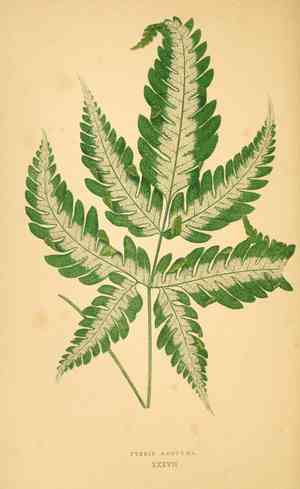
This fragile fern, characterized by its cascading foliage, flourishes with meticulous trimming to preserve its vitality and aesthetic. For tailed maidenhair, remove any deceased or discolored fronds near the base during the initial weeks of spring or the concluding period of winter, facilitating revitalization prior to its most active growth phase. Shape the plant with minimal cuts, refraining from excessively harsh reductions that could impede development. Strategic pruning improves air circulation and discourages infestations, thereby sustaining the tailed maidenhair's vigor. Disinfect your implements to avert the transmission of pathogens and guarantee precise incisions for rapid healing.
What Are the Benefits of Pruning Tailed Maidenhair?
What Are the Benefits of Pruning Tailed Maidenhair?
Trimming tailed maidenhair encourages robust development, fostering a more compact and visually appealing form. This practice is vital for maintaining the plant's well-being and structural integrity.
What Is the Best Time for Pruning Tailed Maidenhair?
What Is the Best Time for Pruning Tailed Maidenhair?
Trimming tailed maidenhair in late winter or early spring is advantageous because the plant is typically in a dormant state with reduced growth. This timing allows for trimming without causing undue stress or disrupting active growth cycles. Furthermore, pruning before new growth begins promotes rejuvenation and enables a cleaner cut that the plant can heal from more efficiently during the growing season. Removing dead or weak fronds at this time helps redirect the plant's energy toward producing healthy new fronds, ensuring a fuller and lusher fern. Additionally, the risk of disease transmission is lower during these cooler seasons, which helps maintain the overall health of tailed maidenhair.
What Tools Do I Need to Prune Tailed Maidenhair?
Micro-Tip Snips
These are small, sharp scissors that enable precise trimming of tailed maidenhair's delicate fronds without causing unnecessary harm to the plant. They are ideal for snipping dead or yellowing leaves close to the base.
Fine-pruning Shears
These shears provide a precise cut and minimal damage to surrounding fronds. They are perfect for shaping the plant and removing unwanted growth.
Soft-Tip Tweezers
These can be used to gently remove any dead material that is hard to reach with snips or shears, which helps maintain the aesthetic appeal of tailed maidenhair.
Gloves
Protective gloves are recommended to shield your hands from moisture and to provide a better grip on the tools when trimming tailed maidenhair.
How to Prune Tailed Maidenhair
Cleanse tools
Sanitize pruning shears or scissors by wiping with isopropyl alcohol to prevent the spread of disease while trimming tailed maidenhair.
Identify
Examine tailed maidenhair to locate diseased or withered leaves, being careful not to mistake naturally delicate foliage for unhealthy leaves.
Trim diseased leaves
Gently trim any diseased leaves at their base where they meet the stem or at the first sign of visible damage, being cautious not to harm healthy parts of tailed maidenhair.
Trim withered leaves
Remove withered leaves by cutting them at the base near the stem, ensuring cuts are clean to promote quick recovery for tailed maidenhair.
Disposal
Properly dispose of trimmed diseased and withered leaves, away from healthy plants, to prevent contamination and disease spread to tailed maidenhair or other plants.
Common Pruning Mistakes with Tailed Maidenhair
Overpruning
Removing too much foliage can weaken tailed maidenhair, as it relies on its leaves for photosynthesis.
Rough cuts
Making jagged or torn cuts can damage the delicate stems of tailed maidenhair, inviting disease and pests.
Pruning healthy fronds
Incorrectly removing green, healthy fronds can limit tailed maidenhair's ability to grow and thrive.
Using dirty tools
Cutting tailed maidenhair with unclean tools can introduce pathogens, potentially leading to infections.
Common Pruning Tips for Tailed Maidenhair
Sharp scissors
Use sharp, clean scissors or pruning shears to make precise cuts, minimizing damage to tailed maidenhair's stems.
Selective pruning
Trim only the brown, dead, or damaged fronds, ensuring tailed maidenhair can continue to photosynthesize effectively.
Gentle handling
Handle tailed maidenhair delicately during pruning due to its fragile nature. Avoid pulling or tearing fronds.
Disinfect tools
Clean and disinfect pruning tools before and after use to prevent the spread of disease to tailed maidenhair.
Post-pruning care
After pruning, provide tailed maidenhair with optimal care, including adequate water, light, and humidity, to support recovery and growth.



