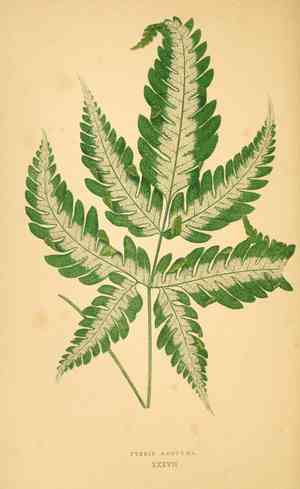
Tailed maidenhair (Adiantum caudatum)
Also known as: Trailing maidenhair
Adiantum caudatum, often known as the walking maidenhair, tailed maidenhair, or trailing maidenhair, is a fern species within the genus Adiantum and the family Pteridaceae.
In This Article
Attributes of Tailed maidenhair
Lifespan
Perennial
Plant Type
Fern
Plant Height
15 cm to 40 cm
Spread
Spreads indefinitely via creeping rhizomes
Leaf Color
Green
Flower Size
N/A (Ferns do not produce flowers)
Flower Color
N/A (Ferns do not produce flowers)
Images of Tailed maidenhair
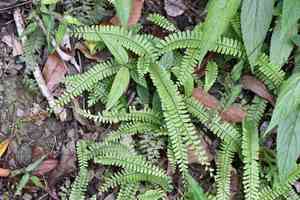
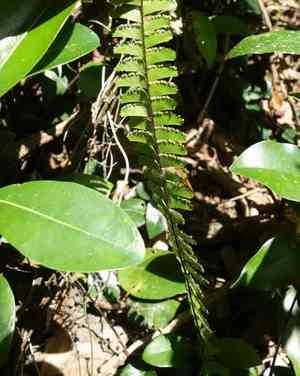
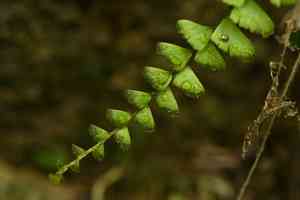
Quickly Identify Tailed maidenhair
1
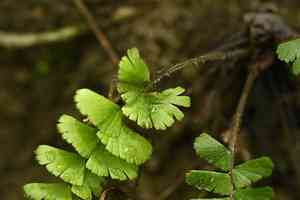
Adiantum caudatum can be identified by its wiry, black stems and finely divided, fan-shaped leaflets. The fronds tend to arch gracefully, and new plants often grow where the tips of the fronds touch the ground.
Scientific Classification of Tailed maidenhair
Phylum
Vascular plants
Class
Ferns
Order
Polypodiales
Family
Brake
Genus
Maidenhair ferns
Species
Tailed maidenhair
Planting and Growing of Tailed maidenhair
Care Difficulty
Hard
Watering Schedule
Every 6 days
Sunlight Requirements
Partial sun
Sunshine Duration
6-10 hours
Ideal Temperature
65-75℉
Soil Type
Potting Mix, Peat Mix
Soil pH
6.5-7.5
Fertilizer Type
Balanced
Pruning Season
Spring, Summer
Pruning Area
Branches, Leaves
Pruning Frequency
2 times a year
Repotting Season
Spring
Pot Type
Ceramic, Plastic
 How to Water Tailed maidenhair?
Adiantum caudatum, known for its delicate fronds, requires about 250 ml of water per session. Ensure the soil is evenly moist, without allowing water to pool at the bottom. The plant thrives when the moisture level mimics its natural habitat — moist yet well-drained.
What are the symptoms of an underwatered Tailed maidenhair?
›
What should I do if my Tailed maidenhair is not getting enough water?
›
What are the symptoms of an overwatered Tailed maidenhair?
›
How to save an overwatered Tailed maidenhair?
›
 What Are the Sunlight Requirements for Tailed maidenhair?
Partial sun for about 4 to 6 hours maximizes the plant's potential. Ideal light encourages photosynthesis, resulting in lush and healthy foliage.
Optimal Exposure Duration
›
Solutions for Ideal Lighting
›
Benefits of Ideal Lighting
›
 What Is the Ideal Temperature Range for Tailed maidenhair?
For optimal growth, Adiantum caudatum thrives best in temperatures ranging from 65°F to 75°F. This range closely mimics its natural habitat and helps promote healthy frond growth and vibrant coloration.
 What Soil is Best for Tailed maidenhair?
Adiantum caudatum thrives in soil that retains moisture well but drains excess water efficiently. This helps the roots stay hydrated without becoming waterlogged, which can prevent root rot and support lush, healthy foliage. Soils rich in organic matter promote healthy growth in Adiantum caudatum. Nutrient-rich loamy soil can supply essential minerals and sustenance needed for vigorous fern development and vibrant fronds. This fern requires well-aerated soil to ensure oxygen reaches its roots. Proper aeration supports critical root functions and avoids compaction, promoting robust plant growth and enhancing overall vigor.
 How to Fertilize Tailed maidenhair?
For Adiantum caudatum, a light hand is essential when applying fertilizer. Generally, apply a diluted balanced liquid fertilizer at half-strength every two weeks, during the growing season. Using too much can easily harm this delicate plant, so ensure to stay within this limit.
 How to Prune Tailed maidenhair?
Start by examining your Adiantum caudatum for any fronds that appear brown, wilting, or dead. This is also a good time to look for any signs of disease or pest infestation as pruning helps focus the plant's energy on healthy growth. Carefully cut away any dead or damaged fronds at the base of the plant. Making clean cuts close to the main stem ensures the plant will heal efficiently and focuses growth on healthy parts of the fern. Prune back some of the older, less productive fronds to stimulate new, vibrant growth. This will help in creating a fuller and more visually appealing foliage. Be mindful not to remove more than a third of the plant at a time to avoid stressing it.
More About Pruning Techniques→
 How to Propagate Tailed maidenhair plant?
1
Water the plant thoroughly a day before division to help reduce stress during the process. Ensure the soil is moist, as this eases the separation of the roots and prevents unnecessary root damage.
2
Carefully dig around the plant, ensuring you lift enough rhizomes. Gently separate the rhizomes with your hands and use a garden spade to cut through any tangled roots. Make sure each division has a sufficient number of fronds and roots.
3
Plant each division in a well-draining pot or location with indirect sunlight. Cover the roots lightly with soil and water adequately to help the plant settle in its new environment. Avoid direct sunlight until the plant show signs of establishment.
 How to Repot Tailed maidenhair plant?
1
Recognize it's time to repot Adiantum caudatum when you notice roots circling the pot's perimeter or emerging through drainage holes. Another indicator is when the plant appears stunted despite ample water and sunlight. Early spring is ideal for repotting, as growth is just picking up, which helps the fern quickly acclimate to its new environment.
2
Select a pot that's only slightly larger than the previous one, ensuring it has good drainage to prevent root rot. A pot too large may lead to excess moisture retention, which ferns dislike. Opt for materials like terracotta that can wick away moisture and allow the roots to breathe, promoting healthy growth.
3
Use a mix that's lightweight and drains well, such as peat-based or sphagnum moss-added potting soil. These components help maintain an airy root environment, preventing waterlogging while still retaining necessary moisture. Such a soil mix provides nutrients essential for this fern’s lush, green foliage.



