How to Propagate Tailed maidenhair?
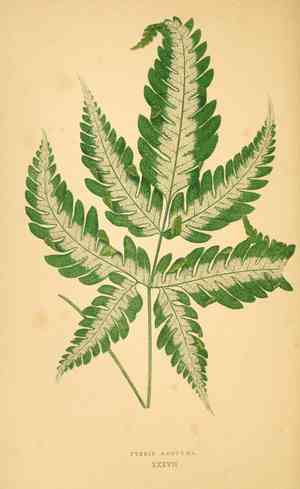
Adiantum caudatum flourishes when multiplied via separation. For optimal development, split the specimen while transplanting. Gently detach the rhizome clusters, making certain each fresh segment possesses sufficient root structure. Embed the separated portions in a well-draining, damp substrate, preferably abundant in organic components. Position in subdued to moderate illumination, steering clear of direct solar exposure that could harm the fragile leaves.
Optimal Period for Propagating Tailed Maidenhair?
Propagation Method
Division
Propagation Period
Spring,Autumn
Tools Required for Tailed Maidenhair Propagation?
Sharp knife or scissors
These implements are vital for making clean cuts through the root structure of tailed maidenhair during division, which is key to minimizing harm to the plant's delicate roots. A sharp, sanitized knife or pair of scissors ensures precise cuts, lessening plant stress and boosting propagation success.
Sterilizing agent (e.g., rubbing alcohol or bleach solution)
Utilized for sanitizing cutting instruments before and after use to stop the spread of illnesses and pathogens. This is especially important for tailed maidenhair, as ensuring tool cleanliness aids in maintaining the overall health and viability of new divisions.
Potting mix
A well-draining, light potting substrate suitable for ferns is advised for potting new divisions of tailed maidenhair. The correct mix offers the necessary support and aeration, helping the newly propagated plants to establish and grow.
Containers or pots
Appropriate for planting the divisions of tailed maidenhair. These should feature sufficient drainage holes to prevent waterlogging, which is critical for the health of tailed maidenhair, as excess moisture can lead to root rot and other fungal diseases.
Watering can with a gentle spray
Essential for irrigating the new divisions of tailed maidenhair without disturbing the soil or roots. A gentle spray aids in uniformly distributing moisture, which is vital for the plant's establishment in its new environment.
Labels and marker
Helpful for marking the containers with the division date and any other relevant care information. This assists in monitoring progress and maintaining the proper care schedule specific to each division of tailed maidenhair.
How to Propagate Tailed Maidenhair?
Propagation Type
Easy
How to Nurture Your Newly Propagated Tailed Maidenhair?
How to Nurture Your Newly Propagated Tailed Maidenhair?
Post-propagation, maintain high humidity for tailed maidenhair by regular misting or placing water trays nearby. Ensure consistent soil moisture, but avoid saturation. Keep tailed maidenhair in an environment mimicking its natural understory habitatâcool, shaded, and well-ventilated. Lightly fertilize with a balanced, diluted liquid feed during the growing season to support healthy development.
Common Errors to Avoid When Propagating Tailed Maidenhair
Overwatering
Excessive irrigation can cause root rot in tailed maidenhair, which is particularly susceptible to waterlogged soil. This condition impairs proper root function, potentially leading to plant demise.
Direct sunlight exposure
Tailed maidenhair is prone to leaf burn when exposed to direct sunlight, impacting photosynthesis and overall health through damaged foliage.
Using soil with poor drainage
Soil that retains too much moisture can be detrimental to tailed maidenhair, which prefers well-drained growing media. This can result in root diseases and hinder growth.
Neglecting humidity requirements
Tailed maidenhair thrives in high humidity conditions. Providing insufficient humidity can lead to dried leaves and reduced vigor, impairing successful propagation.
Advice for Propagating Tailed Maidenhair
Use a sterile medium
Employing a clean and sterile propagation substrate prevents the introduction of pathogens, which can be crucial for the sensitive tailed maidenhair during early growth stages.
Provide indirect light
Positioning tailed maidenhair in indirect but bright illumination supports robust growth without the risk of leaf scorching, fostering better development of new shoots.
Maintain adequate humidity
Enclosing the propagation setup in a plastic cover or utilizing a humidity dome can help maintain the high humidity levels that tailed maidenhair requires for optimal growth.
Watering appropriately
Misting tailed maidenhair's soil to keep it consistently moist but not saturated supports healthy root development without risking root rot.



