How to Prune American trail plant?
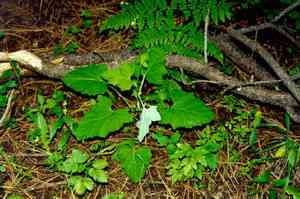
Originating from humid forested areas, american trail plant is distinguished by its expansive, cordate leaves and subtle floral groupings. Trimming requirements are slight, primarily involving the elimination of withered or compromised leaves to preserve the plant's well-being. The most suitable period for pruning is in late spring or early summer, once the plant has bloomed. This targeted trimming enhances air movement and diminishes the likelihood of disease. Always employ sanitized, keen implements to execute accurate incisions without compromising the plant's inherent form. Pruning aids american trail plant by fostering revitalization and sustaining its visual charm.
Advantages of Trimming American Trail Plant
Advantages of Trimming American Trail Plant
Trimming american trail plant is crucial for maintaining its vitality and desired shape. Strategic cutting promotes new development, ensuring american trail plant stays compact and appealing. This directs energy to the most vigorous parts for a stronger, well-maintained appearance.
Optimal Time for Trimming American Trail Plant
Optimal Time for Trimming American Trail Plant
The ideal period to prune or trim american trail plant is during the initial growth phase, typically in spring and early summer. Pruning in spring coincides with the plant's emergence from dormancy, allowing american trail plant to channel energy into new growth and recover swiftly from the trimming process. Early summer pruning is also beneficial as it can help shape the plant and manage its size before it has invested too much energy into areas that will be removed. This timing prevents the potential waste of the plant's resources and reduces stress. Pruning during these seasons also minimizes the risk of disease and pest infestation, as cuts made in dry conditions are less vulnerable to pathogens. Additionally, pruning before the peak of summer heat ensures that american trail plant has ample time to heal before entering less active phases of its growth cycle.
Necessary Tools for Pruning American Trail Plant
Hand Pruners
Ideal for making precise cuts on american trail plant's stems and leaves without causing unnecessary harm to the plant.
Gardening Gloves
Protects hands when pruning american trail plant, as they prevent potential skin irritation caused by the plant's foliage during handling.
Pruning Saw
Can be utilized if american trail plant has developed thicker woody stems that are too large for hand pruners. This is less common, but possible as the plant matures.
Sharpening Tool
Keeps pruning tools sharp ensuring that cuts on american trail plant are clean, reducing the chance of disease and stress to the plant.
How to Prune American Trail Plant
Sanitization
Before beginning to prune american trail plant, disinfect all pruning tools with alcohol or a bleach solution to prevent the spread of diseases.
Identification
Carefully examine american trail plant to identify and mark the diseased and withered leaves, as well as diseased stems that require removal.
Cutting Leaves
Cut diseased and withered leaves from american trail plant at the base of the leaf stalk, making a clean cut without damaging the main stem.
Cutting Stems
Remove diseased stems on american trail plant by making cuts at a 45-degree angle just above a healthy leaf node or bud to encourage new growth.
Cleanup
Gather and dispose of all removed foliage and stems to decrease the chance of disease spread and maintain the tidiness of the growing area.
Common Pruning Errors with American Trail Plant
Overpruning
Removing too much growth which can stress american trail plant and impede its ability to thrive.
Improper Cutting
Making jagged or tearing cuts that can lead to disease and pest infestations in american trail plant.
Pruning Healthy Growth
Unnecessarily cutting away healthy leaves and stems which can reduce the plant's photosynthesis capacity.
Ignoring Dead Material
Failing to remove dead or dying foliage that can attract pests and diseases to american trail plant.
Tool Misuse
Using dull or unclean pruning tools that can damage american trail plant's stems and potentially introduce pathogens.
Common Pruning Tips for American Trail Plant
Sharp Clean Tools
Always use sharp and sanitized pruning tools to make clean cuts on american trail plant, which helps prevent damage and disease.
Minimal Pruning
Practice minimal pruning, focusing only on removing dead or damaged foliage to maintain the health and natural shape of american trail plant.
Angle Cuts
Make angled cuts away from the main stem when pruning to avoid water accumulation that can lead to rot on american trail plant.
Post Flowering Trim
After flowering, give american trail plant a light trim to keep it tidy and encourage new growth, but avoid heavy pruning to preserve its structure.
Disposal
Remove and properly dispose of all pruned material to reduce the risk of pests and diseases around american trail plant.



