Enhancing Your Garden Design with the American trail plant Plant: A Landscaping Guide
1
The American trail plant offers a distinctive aesthetic appeal to your garden through its unique characteristics.
2
Incorporating the American trail plant into your garden can enhance local ecological diversity and soil quality.
3
Appropriate maintenance and placement of the American trail plant will guarantee its endurance and positive impact on an eco-friendly environment.
Appreciating the Visual Qualities of American Trail Plant
An introduction to the distinct aesthetic features of American trail plant
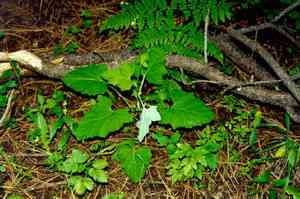
American trail plant distinguishes itself in garden settings due to its unique visual appeal. This plant typically displays two-toned leaves, providing a striking contrast and adding a burst of visual interest. The white undersides of its leaves are particularly noticeable, creating a shimmering effect when moved by the wind. This singular characteristic not only captures attention but also enriches any garden with depth and texture.
How American trail plant integrates with diverse landscape designs
A remarkable attribute of American trail plant is its adaptability. Regardless of whether your garden design is traditional, rustic, or modern, this plant can seamlessly fit in and enhance it. For a more naturalistic or woodland garden, American trail plant can function as an understory plant beneath trees and shrubs, mimicking its native environment. In contemporary designs, placing American trail plant in minimalist containers accentuates its distinct beauty and adds a touch of sophistication.
Seasonal transformations and their visual impact
American trail plant offers dynamic seasonal appeal in your garden. During spring and summer, its foliage is at its peak, providing lush greenery and its characteristic bi-color effect. As autumn approaches, American trail plant may exhibit subtle color shifts, introducing a different shade to your landscape before its leaves eventually drop. This seasonal change keeps your garden engaging throughout the year and delights observers with its cyclical charm.
Incorporating American Trail Plant into Your Existing Garden
Evaluating your landscape and identifying suitable locations
Before introducing American trail plant to your garden, it's essential to assess the current landscape. Seek out areas that receive partial to full shade, which is ideal for this plant. It thrives in well-drained soil, so pinpoint spots where water does not accumulate after rain. Additionally, consider the plant's mature size and growth pattern to ensure it has ample room to flourish without crowding other plants.
Companion plants that complement American trail plant
American trail plant pairs wonderfully with several companion plants that share similar growing conditions. Consider combining it with ferns, hostas, or heucheras, as these plants also thrive in shaded areas and well-drained soil. The contrasting textures and colors of these companion plants will elevate your garden's visual appeal and create a more diverse and vibrant planting scheme.
Sustainable gardening practices with American trail plant
Creating an eco-friendly garden with American trail plant involves thoughtful planning and upkeep. Applying mulch around the base of American trail plant helps retain soil moisture and suppresses weeds. Furthermore, incorporating organic compost into the soil can improve nutrient availability and soil structure, fostering a healthy environment for American trail plant to thrive. These methods not only benefit American trail plant but also contribute to the overall health and sustainability of your garden.
Environmental and Ecological Advantages of Cultivating American Trail Plant
Boosting local biodiversity
Planting American trail plant in your garden can significantly contribute to enhancing local biodiversity. The plant provides shelter and food sources for various insects, birds, and small mammals. By attracting these creatures, American trail plant helps establish a balanced and flourishing ecosystem in your garden. This increased biodiversity can lead to improved pollination and natural pest control.
Soil health improvements and erosion prevention
American trail plant also offers benefits for soil health and preventing erosion. The plant's root system helps stabilize the soil, reducing the risk of erosion, particularly on slopes and in areas prone to heavy rainfall. Additionally, American trail plant adds organic matter to the soil as its leaves and stems decompose, enhancing soil fertility and structure over time.
Contribution to a balanced ecosystem
Integrating American trail plant into your garden fosters a balanced ecosystem. The plant's presence supports various trophic levels, from decomposers like fungi and bacteria to higher levels such as birds and mammals. By playing a role in these ecological interactions, American trail plant helps maintain the natural equilibrium and functionality of your garden environment.
Practical Considerations for Landscaping with American Trail Plant
Longevity and care requirements
American trail plant is a resilient and low-maintenance plant once established. Consistent watering, especially during dry periods, and seasonal pruning to remove dead or damaged foliage are crucial for its long-term health. Moreover, monitoring for pests and diseases ensures that American trail plant remains healthy and continues to enhance your garden's beauty.
Climate suitability and adaptability
American trail plant is quite adaptable to various climates, but it performs best in regions with moderate conditions. It prefers partial to full shade, making it suitable for gardens with tree canopies or shaded borders. Its adaptability also extends to soil types, though well-drained soil is ideal for optimal growth. Understanding your local climate and soil conditions will help you position American trail plant effectively in your garden.
Optimal layout and spacing strategies
When planning the arrangement and spacing of American trail plant in your garden, consider its mature size and growth habit. Space the plants appropriately to prevent overcrowding and allow for adequate air circulation. Grouping American trail plant with other shade-loving plants can create cohesive planting beds, while strategically placing it in focal points can draw attention to its unique features.



