How to Prune Silver vine?
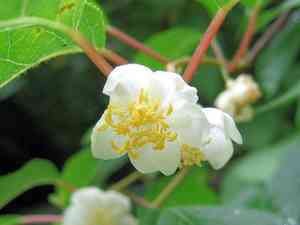
Renowned for its appealing leaves and fruit resembling kiwis, silver vine flourishes with proper trimming. To encourage robust development and fruit yield, remove deceased or excessively long branches, and reduce crowded sections to enhance air circulation. Perform pruning in late winter or early spring prior to the emergence of new shoots. This schedule facilitates recovery and strong spring growth. Consistent trimming also aids in preserving an optimal form and averts illness. Remember to sanitize implements to safeguard silver vine against pathogens.
What Are the Benefits of Pruning Silver Vine?
What Are the Benefits of Pruning Silver Vine?
Trimming silver vine is essential for maintaining its robust growth and desired form. Strategic cuts promote new, healthy shoots and manage the plant's shape for visual appeal and space management.
What Is the Best Time for Pruning Silver Vine?
What Is the Best Time for Pruning Silver Vine?
Pruning silver vine in late winter or early spring is optimal as these periods coincide with the plant's dormant phase, minimizing stress. In late winter, the plant is still inactive, but the harshest cold has typically passed, reducing frost damage risk to fresh cuts. By early spring, the plant begins to emerge from dormancy, yet pruning can still occur before sap flow intensifies and new growth starts. This timing allows silver vine to recover from cuts before its active growth phase, lowering disease susceptibility and fostering stronger recuperation. Furthermore, this precedes flowering and fruiting, ensuring the plant's energy is directed towards producing abundant blooms and fruit later in the season.
What Tools Do I Need to Prune Silver Vine?
Bypass Pruners
Perfect for making clean cuts on smaller silver vine stems, bypass pruners operate like scissors, with two curved blades that glide past each other. They are less likely to crush stems than anvil pruners, encouraging healthier regrowth.
Lopping Shears
Silver vine can grow quite vigorously, so for larger stems too thick for bypass pruners (typically up to 1.5 inches in diameter), lopping shears are useful with their long handles providing leverage.
Pruning Saw
For mature and woody silver vine stems, a pruning saw is necessary. Its serrated blade cuts through thick branches beyond lopping shears' capacity without undue damage to the plant structure.
Hand Gloves
Protective gloves are crucial when pruning silver vine to prevent scratches from the plant's stems and accidental nicks from sharp tools.
Garden Scissors
For fine-tuning and deadheading, garden scissors are helpful for snipping off unwanted silver vine growth. They allow for precision when dealing with smaller, more delicate plant areas.
How to Prune Silver Vine
Prepare Tools
Sanitize your pruning shears or scissors to prevent disease transmission when trimming silver vine.
Remove Diseased
Carefully remove diseased silver vine leaves by cutting them at their base where they meet the stem, ensuring not to harm healthy parts.
Remove Withered
Prune withered leaves similarly, by cleanly cutting them at the base without tugging to avoid injuring silver vine's stems.
Dispose Clippings
Discard all diseased and withered foliage far from silver vine to lessen the chance of reinfection.
Clean Up
Clean the tools again after finishing to eliminate any potential pathogens present on the removed diseased silver vine leaves.
Common Pruning Mistakes with Silver Vine
Over-Pruning
Removing excessive foliage, which can stress silver vine and diminish its vitality, as it requires ample leaf surface for efficient photosynthesis.
Under-Pruning
Failing to remove enough old or dead material, which can result in a cluttered plant structure and hinder new growth.
Improper Cut Location
Cutting too far from a bud or node, leading to unsightly stubs, or cutting too close, which can damage the bud and discourage new growth.
Disregarding Plant Health
Pruning without first assessing the plant's health can worsen problems; it's vital to identify and address any signs of disease or pest infestation before pruning.
Using Dull Tools
Using non-sterilized or dull tools can cause jagged cuts that are more prone to disease and pests, and impede the healing process.
Common Pruning Tips for Silver Vine
Selective Pruning
Carefully choose branches to prune, targeting those that are dead, diseased, or crossing others to enhance air circulation and sunlight exposure.
Encouraging Shape
Prune to maintain and encourage silver vine's natural shape, avoiding over-structuring which can lead to an unnatural appearance and stress the plant.
Gradual Pruning
Especially for novice gardeners, it's wise to prune gradually, checking silver vine's structure and balance, to avoid removing too much at once.
Clean Cuts
Make clean, angled cuts above buds or branching points to promote healthy new growth and facilitate healing.
Tool Maintenance
Ensure all pruning tools are sharp, clean, and properly maintained to make precise cuts and prevent disease spread.



