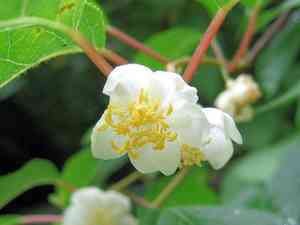
Silver vine (Actinidia polygama)
Also known as: Japanese kiwi
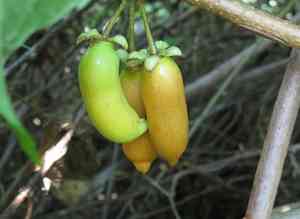
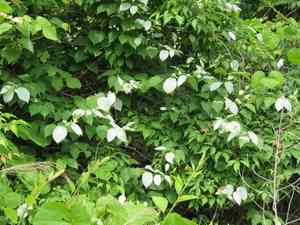
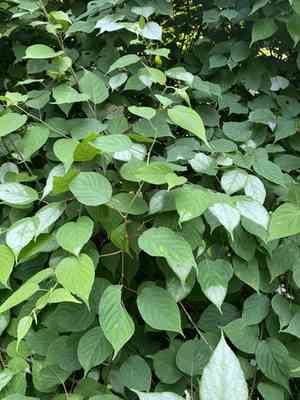
The plant produces white flowers from early to mid-summer, with each flower measuring about 2.5 cm across. The leaves on the petioles are silver and white, typically 6 to 13 cm long and 4 to 9 cm wide. The fruit is around 1.5 cm wide and 3 to 4 cm in length, featuring an orange interior similar to a kiwifruit.
In This Article
Attributes of Silver vine
Lifespan
Perennial
Plant Type
Vine
Plant Height
3.5 m to 6 m
Spread
2.5 m to 3 m
Leaf Color
Green Blue
Flower Size
2.5 cm
Flower Color
White
Images of Silver vine
Quickly Identify Silver vine
1
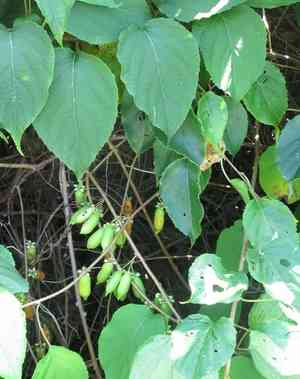
Silver Vine can be identified by its heart-shaped leaves with distinctive silver patches. It produces small, white, fragrant flowers followed by edible, bright orange-yellow fruit. The young shoots and leaves often have a silvery-white appearance.
Scientific Classification of Silver vine
Phylum
Vascular plants
Class
Dicotyledons
Order
Ericales
Family
Chinese gooseberry
Genus
Actinidia
Species
Silver vine
Planting and Growing of Silver vine
Care Difficulty
Easy
Watering Schedule
Every 4 days
Sunlight Requirements
Partial sun
Sunshine Duration
6-12 hours
Ideal Temperature
60-75℉
Soil Type
Potting Mix, Peat Mix
Soil pH
6-7.5
Fertilizer Type
Balanced
Pruning Season
Spring, Summer
Pruning Area
Branches, Leaves
Pruning Frequency
2 times a year
Repotting Season
Spring
Pot Type
Plastic, Ceramic
 How to Water Silver vine?
For Actinidia polygama, water thoroughly until the soil is moist but not drenched; around 500 ml per session is adequate. Aim to maintain consistent moisture without waterlogging. The goal is to keep the soil evenly moist, simulating its natural habitat.
What are the symptoms of an underwatered Silver vine?
›
What should I do if my Silver vine is not getting enough water?
›
What are the symptoms of an overwatered Silver vine?
›
How to save an overwatered Silver vine?
›
 What Are the Sunlight Requirements for Silver vine?
Actinidia polygama thrives best in partial sun conditions, where it receives moderate sunlight. Adequate light supports optimal growth, vibrant fruit production, and a healthy plant structure, maximizing its ornamental and nutritional value.
More About Sunlight Requirements Techniques→
What is the best location for Actinidia polygama?
›
How to manage lighting changes with seasons?
›
What benefits come from optimal lighting conditions?
›
 What Is the Ideal Temperature Range for Silver vine?
For Actinidia polygama, maintaining a consistent temperature between 60°F and 75°F is essential. This range ensures optimal growth and flowering. Within this ideal range, metabolic processes occur efficiently, allowing the plant to thrive. Any deviations can result in stress that may affect its growth and reproduction.
 What Soil is Best for Silver vine?
Actinidia polygama thrives best in well-drained soil. Proper drainage prevents waterlogging, which can lead to root rot. Ensuring good drainage keeps the roots healthy and encourages vigorous growth. This plant prefers nutrient-rich soil that supports its growth. Enriching the soil with decomposed organic matter boosts nutrient content, fostering healthier leaves and flowers. The soil should retain enough moisture for Actinidia polygama, providing a consistent supply of water to its roots. A balance in moisture retention promotes lush foliage and fruiting.
 How to Fertilize Silver vine?
Actinidia polygama, commonly known as silver vine, requires balanced nutrition to thrive. Utilize a general-purpose liquid fertilizer that is diluted to half strength. Typically, for a mature plant, using about 100 ml of diluted solution per application is sufficient.
 How to Prune Silver vine?
Begin by removing dead or damaged branches. Following this, focus on cutting back any overly vigorous shoots to encourage a balanced structure. Prune lateral branches to about four buds to facilitate fruit-bearing laterals. Always make cuts clean and at an angle to prevent water retention, which can lead to rot. Ensure the plant has sufficient water and nutrients after pruning to recover and thrive. Monitor the plant for any signs of stress or disease and promptly address any issues. Regular mulching can help retain moisture and provide essential nutrients for robust growth.
More About Pruning Techniques→
 How to Propagate Silver vine plant?
1
For seed propagation, begin by preparing a well-draining growing medium, such as a mixture of peat moss and perlite. This provides a balanced environment that supports seed germination and healthy root development.
2
When using cutting propagation, choose healthy, non-flowering stems from the parent plant. Cut these stems at an angle of about six inches in length, ensuring to use sterilized pruning shears to prevent disease transmission.
3
Layering involves bending a low-growing branch to the ground and covering a portion of it with soil to encourage rooting. This method should be done in early summer when the plant's growth is vigorous, ensuring success.
 How to Repot Silver vine plant?
1
Look for signs like roots emerging from the drainage holes, slow growth, or water not being absorbed well. These indicate the plant is root-bound and needs more space.
2
Choose a pot that is 1-2 inches larger in diameter than the current one. It allows space for growth and prevents waterlogging, reducing the risk of root rot.
3
Select a well-draining, loamy soil with a good mix of organic matter. This improves aeration and provides essential nutrients, promoting healthier root development.
Toxicity
Ingestion
WARNING
The judgment on toxicity and danger is for reference only. We DO NOT GUARANTEE any accuracy of such judgment. Therefore, you SHALL NOT rely on such judgment. It is IMPORTANT TO SEEK PROFESSIONAL ADVICE in advance when necessary.
Learn More About Silver vine Diseases
Anthracnose
Bacterial Leaf Spot
Bacterial Soft Rot
Bacterial Wilt
Crown Gall
Cyst Nematode
Damping-off
Downy Mildew
Fusarium Wilt
Gray Mold
Leaf Curl
Leaf Spot
Mosaic
Powdery Mildew
Root Rot
Root-knot Nematode
Rusts
Sooty Mold
White Mold
Chemical Injury
Drought Stress
Nutrient Deficiency
Nutrient Toxicity
Spider Mites
Temperature Stress
Thrips Damage



