Enhancing Your Garden Design with the Silver vine Plant: A Landscaping Guide
1
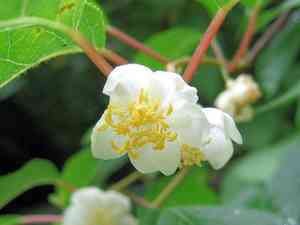
Silver vine features distinctive leaves that transform throughout the year, bringing lively appeal to your outdoor space.
2
Integrating Silver vine into diverse landscape aesthetics can elevate both contemporary and classic garden layouts.
3
Correct planting and upkeep are crucial for fostering robust development and the striking look of Silver vine.
Appreciating the Visual Charm of Silver Vine
Distinctive Leaves and Textures: Discover the unique foliage and vivid hues of Silver vine
Silver vine is renowned for its unique leaves and textures, making it prominent in any garden. Its foliage, often a striking silver-green, gleams in sunlight, creating a lively visual effect. This singular look adds a contrasting layer to an otherwise predominantly green landscape. By incorporating Silver vine, you introduce a plant that not only captures attention but also complements a wide range of other garden favorites.
Seasonal Transformations: Discuss how Silver vine changes throughout the year and its impact on visual appeal
Silver vine provides year-round visual interest due to its seasonal shifts. In spring and summer, its lush leaves and attractive colors dominate, while in autumn, the plant can adopt a more subdued shade that still offers an elegant touch. As seasons progress, Silver vine ensures your garden remains vibrant and engaging, preventing any dullness.
Integrating Silver vine into Various Landscape Designs
Contemporary Landscaping: Incorporating Silver vine into minimalist and modern designs
In modern landscaping, where simplicity and clean lines are key, Silver vine can serve as a central element. Its sleek foliage and graceful shape are well-suited for minimalist settings. Strategically placing Silver vine within a modern landscape can provide just enough greenery without overwhelming the design. Pair it with monochrome planters and geometric paths to highlight its presence.
Traditional Gardens: How Silver vine complements classic garden features
In a traditional garden environment, where lushness and diversity are celebrated, Silver vine can play a supportive role. Its distinctive foliage can act as a lovely backdrop or a captivating focal point among classic elements like rose bushes, topiaries, and perennial borders. The adaptability of Silver vine means it can blend seamlessly while still standing out with its unique charm.
Diverse Spaces: Utilizing Silver vine to create a focal point in varied and artistic garden arrangements
For those who favor an eclectic approach to gardening, Silver vine offers a versatile component that can unite diverse elements. Its unique foliage makes it an excellent choice for creating focal points. It can be placed among sculptures, water features, and various plants to create a harmonious, yet visually intriguing garden space. This use of Silver vine encourages artistic expression and complements a garden filled with contrasting textures and colors.
Practical Advice for Planting and Positioning Silver vine
Choosing the Optimal Spot: How to select the ideal location for Silver vine to flourish
When planting Silver vine, selecting the correct location is vital for its growth and visual impact. Ideally, it should be situated where it receives partial to full sunlight, which aids in achieving its best growth form. Considering its growth habit, it's best to plant Silver vine where it has room to spread naturally, without excessive competition from other plants.
Soil and Sunlight: Key considerations for optimal development
Silver vine thrives best in well-drained, fertile soil. Ensuring the soil has good drainage prevents root rot and other moisture-related problems. While Silver vine is quite adaptable, it greatly benefits from consistent watering during dry periods. Also, positioning it where it gets ample sunlight ensures its foliage remains vibrant and healthy.
Spacing and Arrangement: Tips on how to arrange Silver vine for visual equilibrium
Proper spacing is crucial when planting Silver vine. This plant can spread considerably, so allowing sufficient space for each plant prevents overcrowding and promotes healthier growth. Grouping Silver vine with complementary plants can create a visually balanced landscape. Whether used as a focal point or a background element, thoughtful arrangement ensures it integrates smoothly into the overall garden design.
Maintaining the Health and Beauty of Silver vine
Routine Care Tasks: Outline manageable practices for maintaining Silver vine
Maintaining Silver vine involves a few straightforward tasks. Regular watering, especially during dry spells, fertilizing during the active growth period, and ensuring it is free from debris can be very beneficial. Consistent care routines not only improve its health but also ensure it remains a stunning feature in your garden.
Managing Pests and Diseases: Preventive measures and treatment recommendations
Like any plant, Silver vine can be susceptible to pests and diseases. Preventive measures, such as using neem oil or planting companion plants that deter pests, can minimize these issues. If infestations occur, treatment options include insecticidal soaps or appropriate fungicides. Regular inspection aids in early detection and management.
Pruning Methods: Ensuring healthy growth and aesthetic shape
Pruning is essential for maintaining the health and appearance of Silver vine. Prune in late winter or early spring before new growth begins. Remove any dead or diseased branches and thin out dense areas to improve air circulation. This not only enhances the plant's look but also stimulates healthy growth, ensuring Silver vine remains a beautiful part of your landscape.



