How to Prune Golden leather fern?
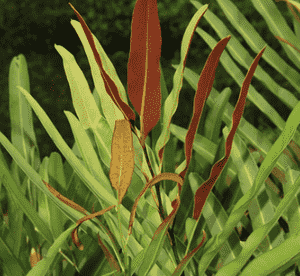
This substantial, partially aquatic perennial is recognized for its sturdy foliage and affinity for wetland environments. Trim golden leather fern by detaching withered or compromised fronds at their base to foster vigorous development and preserve visual appeal. The most suitable time for trimming is from late winter to early spring, aligning with the plant's inactive phase and the period before new growth. Pruning during this interval lessens strain and stimulates the emergence of fresh fern fronds. Consistent elimination of aged fronds can additionally enhance air movement, lowering the probability of illness.
What Are the Benefits of Pruning Golden Leather Fern?
What Are the Benefits of Pruning Golden Leather Fern?
Trimming golden leather fern promotes strong development and maintains its form. Eliminating old or crowded fronds enhances air flow, lowering disease risk and stimulating new, robust growth. Pruning also enables gardeners to manage the size and preserve the decorative appeal of golden leather fern.
What Is the Best Time for Pruning Golden Leather Fern?
What Is the Best Time for Pruning Golden Leather Fern?
Trimming golden leather fern in late winter or early spring is advantageous as it coincides with the plant's natural dormant phase. By cutting before new growth starts, gardeners minimize stress on golden leather fern, allowing it to recover and flourish as temperatures rise. This timing also prevents disruption of the plant's growth cycle during active seasons, such as spring and summer, reducing the chance of horticultural diseases or pest infestations in freshly pruned areas. Furthermore, pruning before the wet season can be vital, as golden leather fern thrives in marshy conditions where increased humidity can worsen fungal issues on new cuts. This pruning schedule ensures the plant keeps an ideal shape and encourages healthier, more vigorous foliage without negatively affecting its overall growth and well-being.
What Tools Do I Need to Prune Golden Leather Fern?
Bypass Pruners
Perfect for making clean, precise cuts on the golden leather fern's smaller, living fronds without crushing plant tissues.
Long-Handled Loppers
Useful for reaching and cutting through thicker, tougher fronds or stems that are inaccessible with bypass pruners.
Gardening Gloves
Crucial for protecting hands from the plant's rough texture and potential skin irritants while trimming golden leather fern.
Hand Saw
Suitable for removing any large, woody stems that may occasionally develop on golden leather fern.
Pruning Saw
This tool can be used interchangeably with a hand saw when dealing with woody growth to ensure clean cuts, helping prevent disease.
How to Prune Golden Leather Fern
Cleaning Tools
Before you begin trimming golden leather fern, ensure all pruning tools are clean and sterilized to prevent disease spread. Use rubbing alcohol or a 10% bleach solution to wipe down blades.
Identify Diseased Leaves
Locate diseased leaves on golden leather fern that show signs of discoloration, spots, or decay. These leaves are likely to impede the fern's health and growth.
Prune Diseased Leaves
Carefully cut diseased leaves at their base where they meet the stem or rhizome using sharp pruning shears or scissors. Be sure not to harm adjacent healthy tissue.
Identify Withered Leaves
Look for withered or old leaves on golden leather fern that may have turned brown or yellow. Removing these leaves will encourage more vigorous growth and improve air circulation.
Prune Withered Leaves
Gently remove withered leaves by snipping them off at their base, as close to the stem or rhizome as possible without damaging the plant's structure.
Common Pruning Mistakes with Golden Leather Fern
Overpruning
Removing too much foliage at once can stress golden leather fern, hindering its growth and recovery. This may lead to a weakened plant more vulnerable to pests and diseases.
Improper Cut Location
Cutting too close to the frond's base or into the central crown can harm golden leather fern. This can cause irreversible damage to the frond's growth point, leading to poor plant health or even plant death.
Using Dull Tools
Employing dull or unclean pruning tools can result in jagged cuts that are more susceptible to infection. It is vital to use sharp, sterilized shears to ensure clean cuts that heal quickly.
Ignoring Dead Fronds
Failing to remove dead or damaged fronds can attract pests and diseases. Dead material should be removed to maintain plant health and aesthetics.
Unnecessary Pruning
Trimming golden leather fern when it's not needed can be counterproductive. Unlike flowering plants that may require pruning to encourage blooming, golden leather fern should only be pruned to remove old growth or shape the plant.
Common Pruning Tips for Golden Leather Fern
Selective Pruning
Focus on selectively removing only the oldest and most faded fronds. This promotes better air circulation and light penetration, encouraging healthy growth in golden leather fern.
Cutting Technique
Cut fronds at an angle, leaving a slight stub to prevent damage to neighboring growth. Avoid cutting too close to the stem to prevent the risk of disease in golden leather fern.
Cleanliness
Sanitize pruning tools before and after use to prevent the spread of disease among plant species, providing a healthier environment for golden leather fern to thrive.
Frequency
Prune golden leather fern only as necessary, to remove dead or unsightly foliage and improve the plant's shape. Excessive pruning can reduce the vigor and health of the plant.
Post-Pruning Care
After pruning, ensure golden leather fern receives appropriate care, including sufficient watering and, if grown indoors, proper humidity levels. Stress from pruning can be mitigated with good post-pruning plant care.



