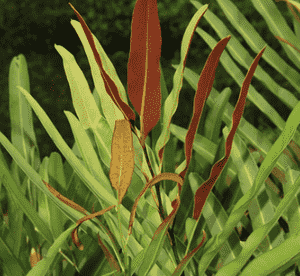
Golden leather fern (Acrostichum aureum)
Also known as: Golden Leather Fern
The fern species known as the swamp fern is the golden leather fern (*Acrostichum aureum*). This fern can have fronds extending up to 1.8 meters in length. It thrives in tropical regions globally, particularly in mangrove swamps.
In This Article
Attributes of Golden leather fern
Lifespan
Perennial
Plant Type
Fern
Plant Height
1.2 m to 1.8 m
Spread
1.2 m to 1.8 m
Leaf Color
Green Blue
Flower Size
Not applicable (ferns do not produce flowers)
Flower Color
Red
Images of Golden leather fern
Quickly Identify Golden leather fern
1
To identify Acrostichum aureum, look for large, leathery, and glossy fronds that can grow up to 2 meters. The fronds have a unique flower-like reproductive structure on the undersides, which are rusty-brown in color when mature.
Scientific Classification of Golden leather fern
Phylum
Vascular plants
Class
Ferns
Order
Polypodiales
Family
Brake
Genus
Leatherferns
Species
Golden leather fern
Planting and Growing of Golden leather fern
Care Difficulty
Easy
Watering Schedule
Every 4 days
Sunlight Requirements
Partial sun
Sunshine Duration
4-6 hours
Ideal Temperature
68-85℉
Soil Type
Potting Mix, Peat Mix
Soil pH
6.5-7.5
Fertilizer Type
Balanced
Pruning Season
Spring, Summer
Pruning Area
Branches, Leaves
Pruning Frequency
2 times a year
Repotting Season
Spring
Pot Type
Plastic, Ceramic
 How to Water Golden leather fern?
For Acrostichum aureum, water deeply to ensure the soil is thoroughly moist. The recommended amount is about 500 ml per watering. The goal is to reach the plant's root zone without leaving standing water, as soggy conditions can harm the roots.
What are the symptoms of an underwatered Golden leather fern?
›
What should I do if my Golden leather fern is not getting enough water?
›
What are the symptoms of an overwatered Golden leather fern?
›
How to save an overwatered Golden leather fern?
›
 What Are the Sunlight Requirements for Golden leather fern?
Acrostichum aureum thrives in partial sun to full shade conditions. This balance ensures that it maintains optimal growth and health without suffering from the stress of too much direct sunlight.
More About Sunlight Requirements Techniques→
Solution
›
Specific Measures
›
Realization of Effects
›
 What Is the Ideal Temperature Range for Golden leather fern?
For optimal growth, Acrostichum aureum thrives in a temperature range between 68°F and 85°F. This ensures the best photosynthetic efficiency and overall health of the plant, supporting lush and vibrant foliage.
 What Soil is Best for Golden leather fern?
Acrostichum aureum thrives best in soils with excellent drainage. This helps prevent root rot and ensures that the plant roots receive proper oxygenation, promoting healthy growth. A nutrient-rich soil is essential for Acrostichum aureum. Such soil provides all the essential minerals and nutrients that support vigorous leaf production and overall plant vitality. While good drainage is crucial, the soil should also retain enough moisture to keep the roots from drying out. This balance is vital in ensuring consistent growth and greenness of the leaves.
 How to Fertilize Golden leather fern?
For Acrostichum aureum, use a balanced fertilizer with an NPK ratio of 10-10-10. For liquid fertilizer, the general rule is to follow the instructions on the package but avoid concentrations higher than 1 teaspoon per gallon of water to prevent root burn. This plant adapts well to low to moderate fertilization, so adjust the amount accordingly.
 How to Prune Golden leather fern?
Before you start pruning, sterilize your pruning tools to prevent the spread of diseases. Use sharp scissors or pruning shears for clean cuts, as this minimizes damage to the plant. Focus on removing old, damaged, or yellowing fronds. This not only improves the plant's appearance but also allows light and air to reach the newer growth, promoting overall health. Trim the edges of the plant to maintain its natural shape and size. Be mindful not to over-prune, as excessive removal of fronds can stress the plant and slow down recovery.
More About Pruning Techniques→
 How to Propagate Golden leather fern plant?
1
Gather mature seeds from the plant, ideally when the pods start to dry out. Ensure seeds are clean and free from debris before moving to sowing.
2
Prepare a well-draining soil mix combining peat, sand, and perlite. This mixture helps retain moisture while providing adequate drainage essential for seed and cutting propagation.
3
Sow seeds or plant cuttings into prepared soil, covering lightly. Water thoroughly and maintain consistent moisture without waterlogging to encourage healthy root growth.
 How to Repot Golden leather fern plant?
1
Keep an eye on your Acrostichum aureum's growth. If you notice roots beginning to peek out of the drainage holes or the pot seems full of roots with little soil remaining, it’s time for a repot. Also, if water quickly drains out without soaking in, this indicates that the plant needs more space and fresh soil.
2
Select a pot that is just slightly larger than the current one, ensuring it has proper drainage holes. A lightweight container makes moving the plant easier, and choosing a breathable material like clay helps aerate the roots. A pot that's too large could retain too much moisture, leading to root rot.
3
The ideal soil should be rich in organic matter and have excellent drainage. This helps retain necessary nutrients while preventing waterlogging, which can cause root problems. A mix of peat, perlite, and some coarse sand creates a perfect home for your plant, maintaining moisture without compromising aeration.



