How to Prune Everglades palm?
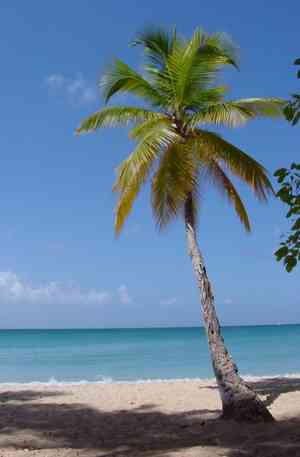
Characterized by its clustered fan-shaped leaves and suitability for humid, tropical environments, the everglades palm necessitates consistent trimming to preserve its form and vitality. Remove withered or injured fronds and spent flower stems in the early spring or late winter period to stimulate fresh development. Reducing crowded groupings improves air movement and mitigates problems with pests. Trimming ought to be moderate, as overzealous cutting can detrimentally affect the plant. This practice fosters a neat look and robust growth, contributing to the palm's visual appeal and extended lifespan.
What Are the Benefits of Pruning Everglades Palm?
What Are the Benefits of Pruning Everglades Palm?
Trimming everglades palm promotes vigorous development and helps maintain its desired shape, preventing excessive growth that can lead to a messy appearance. Strategic cuts enhance vitality and structural integrity.
What Is the Best Time for Pruning Everglades Palm?
What Is the Best Time for Pruning Everglades Palm?
Pruning or trimming everglades palm during late winter or early spring is optimal because this timing aligns with the end of its dormant period and just before new growth begins. In late winter, reduced foliage allows for better visibility of the plant's structure, making it easier to remove any damaged or diseased fronds. Early spring pruning coincides with the start of everglades palm's growth cycle, facilitating rapid healing of cuts and minimizing stress on the plant. This timing also prevents the removal of new growth that would occur during spring and summer, ensuring that everglades palm has ample opportunity to flourish during its active growing season. Additionally, pruning before warmer weather reduces the risk of attracting pests prevalent in summer months. It also avoids disrupting everglades palm's flowering or fruiting periods, which typically occur later in the growing season, by giving the plant a chance to develop these features post-pruning.
What Tools Do I Need to Prune Everglades Palm?
Hand Pruners
Everglades palm's thinner stems and non-woody growth can be easily trimmed with hand pruners. They offer precise cutting for shaping and removing dead or damaged fronds.
Loppers
For thicker stems or harder-to-reach areas, loppers provide the additional leverage and reach needed to prune everglades palm effectively while ensuring clean cuts and promoting healthy growth.
Pruning Saw
When dealing with the thickest part of everglades palm's stems or trunk, a pruning saw is necessary. This allows for clean cuts without damaging the plant's structure.
Pole Pruner
If everglades palm has grown tall and the fronds are out of reach, a pole pruner can be utilized to safely prune without the need for a ladder, thus reducing the risk of injury.
Gloves and Safety Glasses
To protect from the sharp fronds and debris, it is important to wear gloves and safety glasses while pruning everglades palm.
How to Prune Everglades Palm
Clean tools
Sterilize pruning shears or clippers with a solution of 1 part bleach to 9 parts water to prevent the spread of disease to everglades palm. Rinse and dry the tools before use.
Inspect
Examine everglades palm carefully, identifying any diseased or withered leaves, which might exhibit discoloration, spots, or decay. Look for leaves that are brown, yellowing, or have apparent damage.
Trim diseased leaves
Using the sterilized tools, carefully trim diseased leaves at the point where they join the stem or trunk. Make a clean cut to avoid tearing, which can cause unnecessary stress to everglades palm.
Trim withered leaves
Remove withered leaves that are completely dry and appear lifeless by gently pulling them away from everglades palm or cutting them cleanly at their base if they do not come off easily by hand.
Dispose
Collect all removed diseased and withered leaves and dispose of them away from everglades palm to prevent the spread of any pathogens. Do not compost diseased plant material.
Common Pruning Mistakes with Everglades Palm
Overpruning
Removing too much foliage at once can stress everglades palm, leading to poor health or even plant death. As a rule of thumb, never remove more than one-third of the plant’s total foliage during a single pruning session.
Improper cut locations
Cutting everglades palm too close to the trunk, or leaving too large a stub, can result in improper healing and increase susceptibility to pests and diseases.
Using dull tools
Employing dull or unclean cutting tools can damage everglades palm's tissue, creating jagged cuts that heal poorly and invite disease.
Shaping
Attempting to shape everglades palm into an unnatural form can harm its growth and aesthetic appeal. Everglades palm has a natural fan-like growth pattern that should be maintained.
Common Pruning Tips for Everglades Palm
Remove dead material
Regularly removing dead or dying fronds from everglades palm promotes healthy growth and reduces the risk of pest and disease problems. Make clean cuts on dead material without damaging healthy tissue.
Sanitize tools
Before pruning everglades palm, always clean and sterilize pruning tools to prevent the spread of diseases. Tools can be sanitized with rubbing alcohol or a 10% bleach solution.
Cutting angle
When trimming everglades palm, angle cuts away from the trunk to allow water to run off the stub and prevent rot.
Safety first
Wear gloves and protective eyewear when pruning everglades palm, as its fronds can have sharp edges, and debris may fall during the process.
Monitor health
Keep an eye on everglades palm after pruning to ensure it is responding well. Signs of new growth are an indication that the pruning has been successful.
Collect prunings
Cleanly dispose of all cuttings and debris from everglades palm to maintain a tidy area and reduce habitat for pests.



