How to Prune Achillea crithmifolia?
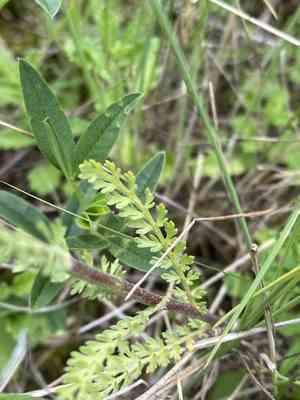
Originating from stony and elevated regions, Achillea crithmifolia is distinguished by its dense structure and frond-like leaves. Efficient trimming entails removing spent blossoms post-flowering to stimulate a subsequent bloom and sustain the plant's vitality. The ideal periods are late winter or early spring, prior to the emergence of new shoots. Consistent trimming deters excessive growth and fosters thicker, more appealing foliage. Furthermore, it aids in controlling the dissemination of any ailments, guaranteeing a more robust plant.
What Are the Benefits of Pruning Achillea Crithmifolia?
What Are the Benefits of Pruning Achillea Crithmifolia?
Trimming achillea crithmifolia helps maintain its form and encourages robust development. Consistent trimming ensures thick, healthy foliage and can help prevent illness by improving air circulation through the plant.
What Is the Best Time for Pruning Achillea Crithmifolia?
What Is the Best Time for Pruning Achillea Crithmifolia?
Trimming achillea crithmifolia in late winter or early spring is optimal, as this timing aligns with the end of its dormant phase and just before new growth begins. This ensures the plant recovers quickly and directs its energy into producing fresh, healthy shoots. Pruning during this period minimizes stress on achillea crithmifolia, enhances its growth and flowering potential in the upcoming season, and helps maintain a desired shape and size. Furthermore, the absence of leaves at this time allows for clearer visibility and easier access to the plant's structure, facilitating more effective pruning.
What Tools Do I Need to Prune Achillea Crithmifolia?
Hand Pruners
Perfect for cutting back thin and delicate stems of achillea crithmifolia, ensuring a clean cut without harming the plant's structure.
Shears
Best for trimming the broader areas of achillea crithmifolia, especially useful when shaping its spread. Shears provide even cuts that promote a dense and tidy growth pattern.
Gloves
Not a cutting tool, but crucial for protection. As achillea crithmifolia can have fine foliage, gloves prevent scratches and ensure a safe pruning process.
How to Prune Achillea Crithmifolia
Identify
Locate and prepare to remove unhealthy parts from achillea crithmifolia. Inspect the plant thoroughly to find diseased and withered leaves. These are typically discolored, spotted, or appear dried compared to healthy foliage.
Sanitize
Disinfect your pruning tools before starting. Use alcohol or a bleach solution to wipe down shears or scissors. This prevents the spread of disease between plants during the pruning process.
Prune diseased
Carefully trim diseased leaves from achillea crithmifolia. Cut each affected leaf at its base where it connects to the stem, ensuring not to tear or damage the stem itself. Remove all parts showing signs of disease.
Prune withered
Remove withered leaves, following the same procedure as for diseased leaves. These dead or dying leaves typically do not contribute to achillea crithmifolia's growth and might draw nutrients from healthier parts.
Dispose
Properly dispose of the removed material. Do not compost diseased or dead leaves as they might harbor pathogens. Seal them in a bag and discard them with household waste to prevent re-infection or infestation.
Common Pruning Mistakes with Achillea Crithmifolia
Overpruing
Removing too much foliage at once can stress achillea crithmifolia, leading to poor growth or reduced flowering. Novice gardeners often make the error of thinking more cutting back equals more blooms, which isn't necessarily true for achillea crithmifolia.
Cutting into old wood
Achillea crithmifolia blooms on new growth. Pruning into the old wood can result in fewer flowers or even damage the plant, as some of the older branches may not produce new shoots readily.
Ignoring dead or diseased stems
Failing to remove dead or diseased stems not only affects the aesthetic appeal but can also invite pests and diseases that spread to healthier parts. Both novice and experienced gardeners sometimes overlook this essential cleaning aspect of pruning.
Inaccurate tool use
Using dull or dirty tools when pruning achillea crithmifolia can damage the stems, leading to jagged cuts that heal poorly and increase susceptibility to disease.
Common Pruning Tips for Achillea Crithmifolia
Sanitize tools
Before and after pruning achillea crithmifolia, always clean your pruning tools with a disinfectant. This practice prevents the spread of disease between plants and ensures cleaner cuts that heal better.
Focus on light shaping
Concentrate on light shaping and thinning out overcrowded areas to promote good air circulation and light penetration, crucial for the health and vigor of achillea crithmifolia. This method supports robust growth and abundant flowering.
Prune for structure
Aim to create a natural-looking, well-balanced shape that supports the plant's health and aesthetic value. Remove crossing or rubbing branches to maintain good form and prevent mechanical injuries where pests and diseases could enter.
Timely deadheading
Regularly remove spent flowers of achillea crithmifolia to encourage continued blooming throughout the growing season. This practice not only keeps your plant looking tidy but also redirects energy to flower production rather than seed formation.



