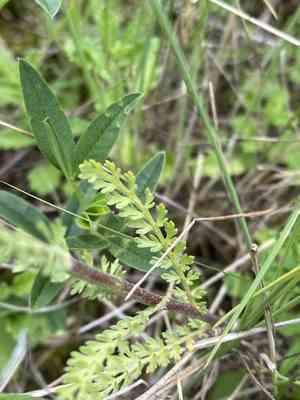
Achillea crithmifolia (Achillea crithmifolia)
Also known as: Yarrow-leaved Milfoil
Achillea crithmifolia is a hardy perennial plant recognized for its finely divided, aromatic foliage and dense clusters of small, typically white or pale yellow flowers. Originating from the Mediterranean region, it flourishes in full sun and well-drained soil, demonstrating excellent drought tolerance. This resilient plant, with its mat-forming growth habit, is ideal for rock gardens and borders. It not only adds texture and subtle beauty to landscapes but also attracts pollinators with its modest, sweet scent.
In This Article
Attributes of Achillea crithmifolia
Lifespan
Perennial
Plant Type
Herb
Plant Height
20-50 cm
Spread
Varies, typically around 30-40 cm
Leaf Color
Green
Flower Size
5-10 mm per flower, clusters can be much wider
Flower Color
White to light pink
Images of Achillea crithmifolia
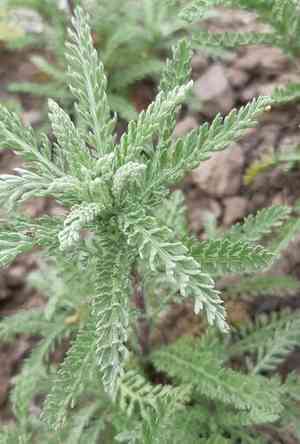
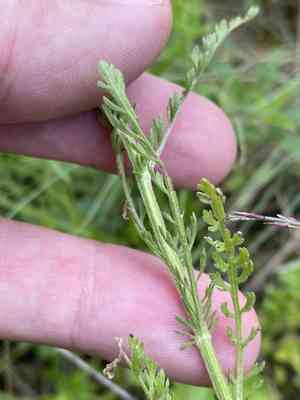
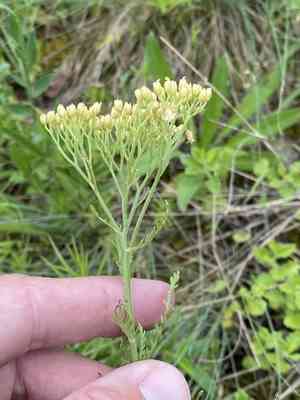
Quickly Identify Achillea crithmifolia
1
Look for its deeply divided, fern-like green leaves and clusters of small white to pinkish flowers that form flat-topped clusters. The plant typically has a strong, aromatic scent.
Scientific Classification of Achillea crithmifolia
Phylum
Vascular plants
Class
Dicotyledons
Order
Asterales
Family
Daisy
Genus
Yarrows
Species
Achillea crithmifolia
Planting and Growing of Achillea crithmifolia
Care Difficulty
Easy
Watering Schedule
Every 2 days
Sunlight Requirements
Full sun
Sunshine Duration
4-8 hours
Ideal Temperature
60-75℉
Soil Type
Potting Mix, Peat Mix
Soil pH
6.5-7.5
Fertilizer Type
Balanced
Pruning Season
Spring, Summer
Pruning Area
Branches, Leaves
Pruning Frequency
2 times a year
Repotting Season
Spring
Pot Type
Plastic, Ceramic
 How to Water Achillea crithmifolia?
Achillea crithmifolia requires balanced watering. Ensure the soil is moist but well-drained, avoiding waterlogging. Approximately 250 ml per session is ideal, depending on pot size and environmental conditions.
What are the symptoms of an underwatered Achillea crithmifolia?
›
What should I do if my Achillea crithmifolia is not getting enough water?
›
What are the symptoms of an overwatered Achillea crithmifolia?
›
How to save an overwatered Achillea crithmifolia?
›
 What Are the Sunlight Requirements for Achillea crithmifolia?
Achillea crithmifolia ideally grows in full sun to partial sun, benefiting from six to eight hours of sunlight daily. This exposure not only sustains its vibrant color and texture but also supports healthy blooming and foliage density.
What light conditions does Achillea crithmifolia prefer?
›
How can I ensure my Achillea crithmifolia gets the right light?
›
What happens when Achillea crithmifolia receives optimal light?
›
 What Is the Ideal Temperature Range for Achillea crithmifolia?
Achillea crithmifolia thrives in temperatures ranging from 60°F to 75°F. This range supports ideal enzymatic activity and energy production necessary for its growth. Consistent exposure to these temperatures will facilitate robust vegetative growth and abundant flowering.
 What Soil is Best for Achillea crithmifolia?
Achillea crithmifolia thrives in well-drained soil, which prevents waterlogging that can lead to root rot. Proper drainage ensures the roots receive adequate oxygen, promoting healthy growth and vibrant blooms. This plant prefers soil with moderate fertility. Overly rich soils can encourage excessive foliage growth at the expense of flowers, so balanced nutrition helps maintain its attractive floral display. Achillea crithmifolia is best suited for soils with a neutral to slightly alkaline pH. This pH range supports optimal nutrient availability, ensuring the plant maintains its lush green foliage and robust flowering.
 How to Fertilize Achillea crithmifolia?
For Achillea crithmifolia, an optimal amount of fertilizer is crucial for its health. Use approximately 1 teaspoon of balanced liquid fertilizer diluted in 1 gallon of water per application. Ensure the solution is evenly distributed over the soil where the plant is rooted, focusing on the base to deliver nutrients directly where they are needed.
 How to Prune Achillea crithmifolia?
While regular pruning is beneficial for Achillea crithmifolia, over-pruning can stress the plant and reduce its ability to photosynthesize effectively. Always leave some foliage intact to ensure the plant remains healthy and can continue growing. Before and after pruning, make sure to sanitize your pruning tools to prevent the spread of diseases from other plants. Use a diluted bleach solution or alcohol wipes to clean the blades of your pruning shears.
More About Pruning Techniques→
 How to Propagate Achillea crithmifolia plant?
1
Before planting seeds or divisions, prepare the soil by loosening it and adding organic matter. This ensures good drainage and provides nutrients to support new growth.
2
Sow seeds on the surface of the prepared soil and lightly cover them with a thin layer of soil. Maintain moisture through regular, gentle watering to ensure germination.
3
For division propagation, carefully dig up the plant and separate the root clumps. Each division should have a healthy amount of roots and shoots. Replant divisions at the same depth they were growing.
 How to Repot Achillea crithmifolia plant?
1
Achillea crithmifolia signals the need for repotting when its roots start circling the pot or emerging from the drainage holes. Additionally, if the soil remains moist for too long or the plant shows signs of stunted growth, it's a good indicator that repotting is necessary.
2
Select a pot that is one size larger than the current one, with adequate drainage holes to prevent waterlogging. The material can range from clay to plastic, but ensure it complements your environmental conditions. A properly sized pot ensures optimal root growth and minimizes the risk of root rot.
3
Opt for a well-draining loamy soil mix, enriched with organic matter to enhance nutrient availability. This type of soil provides a balanced environment for roots, ensuring adequate aeration while retaining enough moisture to support healthy growth.
Learn More About Achillea crithmifolia Diseases
Anthracnose
Bacterial Leaf Spot
Bacterial Soft Rot
Chemical Injury
Damping-off
Downy Mildew
Drought Stress
Fusarium Wilt
Gray Mold
Leaf Spot
Mosaic
Nutrient Deficiency
Nutrient Toxicity
Powdery Mildew
Root Rot
Root-knot Nematode
Rusts
Sooty Mold
Spider Mites
Temperature Stress
Thrips Damage
White Mold



