How to Propagate Achillea crithmifolia?
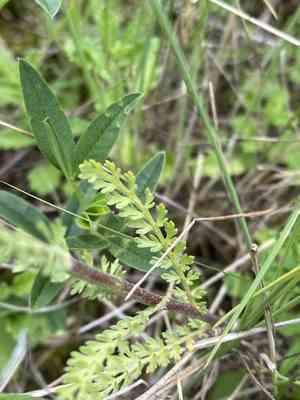
Achillea crithmifolia flourishes when reproduced via seeding. To achieve successful germination, utilize a potting blend that drains efficiently and confirm the seeds are thinly veiled. Preserve steady dampness, yet prevent saturation. Place in a location that gets abundant, yet indirect, illumination to encourage vigorous development.
When Is the Optimal Time to Propagate Achillea Crithmifolia?
Propagation Method
Seeding
Propagation Period
Spring
What Equipment Is Used for Achillea Crithmifolia Propagation?
Seeds Tray
Seed trays are shallow containers for starting seeds and growing young plants. For achillea crithmifolia, they help maintain an organized, consistent environment, making monitoring and care easy during germination. Their compact design allows efficient use of space and resources, providing adequate room for the initial growth of achillea crithmifolia.
Potting Mix
A high-quality potting mix offers essential nutrients and proper drainage vital for successful achillea crithmifolia germination. This medium supports delicate young plant roots, ensuring sufficient aeration and moisture, crucial for healthy achillea crithmifolia seedling development.
Misting Bottle
A misting bottle gently waters seeds without disturbing soil or causing erosion. For achillea crithmifolia, consistent humidity is crucial during germination. The fine spray keeps soil moist but not overly wet, creating an ideal microenvironment for seed sprouting.
Labels and Marker
Labels and markers identify different species or varieties when propagating multiple plants. They help track progress and specific needs for each plant type. For achillea crithmifolia, which may resemble others in early stages, proper labeling prevents confusion and aids systematic care based on specific requirements.
Grow Lights (optional)
Grow lights provide artificial illumination, essential for seedlings when natural light is insufficient. For achillea crithmifolia, grow lights can boost growth by offering the full light spectrum needed for strong, healthy development, especially in environments lacking adequate natural sunlight.
How to Propagate Achillea Crithmifolia?
Propagation Type
Simple
How to Care for Your Newly Propagated Achillea Crithmifolia?
How to Care for Your Newly Propagated Achillea Crithmifolia?
After propagation, ensure achillea crithmifolia is placed in a location matching its light preferences. Continue regular watering, but allow soil to dry slightly between waterings. Apply a balanced, slow-release fertilizer as directed to support healthy growth. Monitor plants for pests and diseases, treating promptly if needed. As achillea crithmifolia matures, periodic pruning may be necessary to encourage bushier growth and enhance its visual appeal.
Common Errors to Avoid When Propagating Achillea Crithmifolia
Overwatering after planting
Excessive watering can suffocate achillea crithmifolia roots, leading to oxygen deprivation and decay. This error can significantly impede root development and reduce the survival rate of new propagations.
Using overly dense soil
Employing heavy or clay-rich soil can hinder drainage, which is detrimental to achillea crithmifolia's root health. Poor drainage can cause root diseases and ineffective root establishment, impacting overall plant growth.
Neglecting to remove faded flowers
Failing to deadhead achillea crithmifolia can diminish its vigor as the plant unnecessarily allocates energy to seed production instead of rooting and growth.
Tips For Propagating Achillea Crithmifolia
Preparing well-draining soil
Combine potting soil with sand or perlite to improve drainage. Good drainage is vital for achillea crithmifolia's root health, preventing waterlogging and related root diseases.
Regular deadheading
Removing faded achillea crithmifolia flowers encourages the plant to focus more on establishing robust roots and lateral growth, which is beneficial for successful propagation.
Monitoring moisture levels
Ensure moderate watering to keep the soil moist but not waterlogged. Achillea crithmifolia requires balanced moisture to develop strong, healthy roots without the risk of rotting.



