How to Prune Black maple?
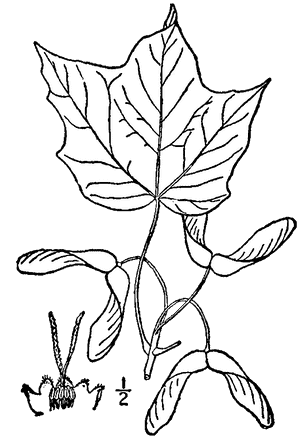
The black maple, a deciduous tree prized for its spherical crown and brilliant fall hues, flourishes with appropriate trimming. Essential methods involve excising deceased or ailing branches, reducing dense limbs to improve light access, and preserving a dominant central stem for robust architecture. The most effective time for pruning is in late winter or early spring, prior to the escalation of sap movement. Pruning boosts vitality, encourages sound development, and lessens the likelihood of storm-related harm, thereby securing the black maple's endurance and visual charm.
What Are the Benefits of Pruning Black Maple?
What Are the Benefits of Pruning Black Maple?
Trimming encourages black maple to grow more robustly by eliminating dead or crowded branches, ensuring better air flow and sun exposure. It also helps preserve its desired shape and keeps it looking visually appealing.
What Is the Best Time for Pruning Black Maple?
What Is the Best Time for Pruning Black Maple?
These periods are considered ideal because pruning during late winter or early spring, when black maple is still inactive, minimizes the chance of sap leakage, which can attract pests and illnesses. Furthermore, the absence of leaves at this time allows for clear visibility of the plant's structure, simplifying strategic cuts. Pruning before the start of the spring growth surge also ensures that wounds heal quickly, reducing stress on black maple and promoting vigorous new growth.
What Tools Do I Need to Prune Black Maple?
Hand Pruners
Essential for making clean cuts on small branches and twigs of black maple, hand pruners help maintain the plant's shape and remove dead or diseased wood without causing unnecessary damage.
Loppers
Due to the larger branches black maple may develop, loppers provide the additional leverage necessary for cutting through branches up to 1.5 inches in diameter, promoting healthy growth and structure.
Pruning Saw
For mature black maple with thicker branches that hand pruners and loppers can't handle, a pruning saw with its sharp teeth is ideal for making larger cuts without tearing the bark.
Pole Pruner
Given that black maple can grow to a significant height, a pole pruner allows gardeners to safely prune higher branches from the ground without the use of a ladder.
Shears (optional)
For shaping hedges or the outer foliage of black maple, hedge shears might be suitable, but should be used with caution to avoid excessive thinning which can lead to sunscald on the exposed inner branches.
How to Prune Black Maple
Step1: Timing for optimal healing
Select the appropriate time to trim black maple, which is in late winter to early spring, before new growth begins but after the risk of severe cold has passed. Pruning during this interval aids the tree in healing rapidly without attracting sap-feeding insects that could transmit diseases.
Step2: Sanitize tools to prevent disease
Clean and disinfect pruning implements prior to starting the task. Utilize a solution of one part bleach to nine parts water or alcohol to wipe down the blades. This prevents the spread of illness between plants.
Step3: Remove damaged or weakened wood
Examine black maple for compromised wood, which may be cracked, broken, or split. Remove this wood first to prevent further harm to the tree. Make cuts just outside the branch collar to encourage proper healing.
Step4: Cut out diseased tree limbs
Identify diseased limbs by looking for signs of discoloration, unusual growth patterns, or visible pathogens. When removing diseased limbs, cut well below the affected area to ensure all diseased tissue is removed.
Step5: Shape and structure assessment
For overgrown branches, evaluate the overall shape and structure of black maple. Focus on branches that disrupt the treeâs natural form or those that cross and rub against each other, which could lead to wounds and disease.
Step6: Prune for directional growth
Trim overgrown branches by making a cut just above a bud or lateral branch that faces outward. Making the cut at this point encourages new growth in a direction that enhances black maple's natural form.
Step7: Thin canopy for better airflow
Thin the canopy if necessary to improve air circulation and light penetration. Remove some of the smaller branches inside the canopy, especially those that grow inward toward the center of the tree.
Step8: Final shaping and canopy balance
Conduct final shaping of black maple by stepping back periodically to look at its overall form. If necessary, make additional cuts to refine the shape, but avoid removing more than 25% of the canopy in a single year.
Step9: Debris cleanup to reduce disease risk
After pruning, clean up all the debris from around black maple to prevent the spread of diseases. Dispose of or destroy diseased material instead of composting it.
Step10: Monitor plant health post-pruning
Monitor black maple after pruning for signs of stress or disease. Additional care, like watering during dry periods or applying mulch, can help black maple recover from pruning and promote healthy growth.
Post-Pruning Care for Black Maple
Post-Pruning Care for Black Maple
Immediately after trimming black maple, ensure proper wound care by cleaning cuts with a sterilized tool to prevent disease. Adjust environmental conditions to provide plenty of indirect sunlight, maintain moderate humidity, and avoid temperature extremes. Post-pruning, apply a balanced, slow-release fertilizer to aid recovery, avoiding over-fertilization. Regularly check for stress signs such as wilt or discoloration, and promptly address any infection with appropriate fungicides. Consistently monitor the hydration level, ensuring the soil remains moist but not saturated.
Common Pruning Mistakes with Black Maple
Over-Pruning in a Single Session
Trimming black maple too severely in one session, which can stress the tree and lead to poor health or reduced vigor.
Using Dull or Unclean Tools
Employing dull or unsanitized pruning tools, which can result in rough cuts that are prone to infection and hinder the tree's natural healing process.
Excessive Canopy Removal
Removing too much of the canopy at once, which may unbalance the tree and cause excessive exposure to sunlight, leading to sunscald.
Damaging Topping Practices
Topping black maple, a practice that involves cutting back the tree to reduce its size, which can damage the structure and health of the tree.
Improper Cut Placement
Cutting too close or too far from the trunk or parent limb, which can either damage the main branch or leave a stub that hinders proper healing.
Ignoring Natural Tree Shape
Disregarding the natural shape of black maple, leading to pruning that does not maintain or enhance the tree's form and aesthetic appeal.
Common Pruning Tips for Black Maple
Use Sharp and Sterile Tools
Always use sharp and sterile pruning tools to make clean cuts and reduce the risk of spreading diseases to black maple.
Prune Dead or Diseased Branches Early
Prune dead or diseased branches as soon as they are noticed to prevent further decay and maintain the health of black maple.
Light Canopy Thinning for Health
Focus on thinning the canopy lightly to improve air circulation and light penetration, which promotes healthy growth in black maple.
Proper Angle Cutting Near Branch Collar
Cut branches at the proper angle, just outside the branch collar without damaging it, to ensure that black maple heals properly and quickly.
Preserve Main Leader and Terminal Bud
Preserve the main leader and avoid cutting back the terminal bud to maintain the strong, natural shape of black maple.
Thoughtful Cuts for Natural Growth
When shaping black maple, make thoughtful cuts that take into account the tree's natural branching structure and desired future growth patterns.
Gradual Heavy Pruning Over Seasons
Spread out heavy pruning over multiple seasons if significant shaping or size reduction is necessary for black maple, to minimize stress on the tree.



