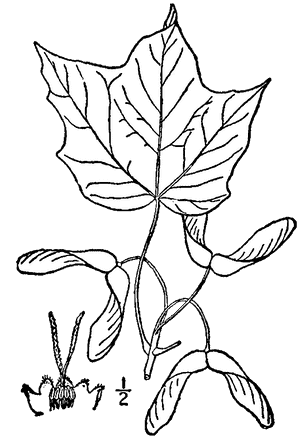
Black maple (Acer nigrum)
Also known as: Stripped maple
The black maple (Acer nigrum), closely related to the sugar maple, typically reaches heights of 70 to 90 feet. This deciduous tree is noted for its stunning fall colors, showcasing shades of orange-red and yellow, and produces small yellow-green flowers. While propagation is primarily done through seed, it presents challenges such as the need for cold stratification and low seed viability. Propagation through cuttings is generally considered difficult and less common.
In This Article
Attributes of Black maple
Lifespan
Perennial
Plant Type
Tree
Plant Height
21 m to 34 m
Spread
15 m to 23 m
Leaf Color
Green Yellow Red Gold Orange
Flower Size
8 cm to 15 cm
Flower Color
Yellow Green White
Images of Black maple
Quickly Identify Black maple
1
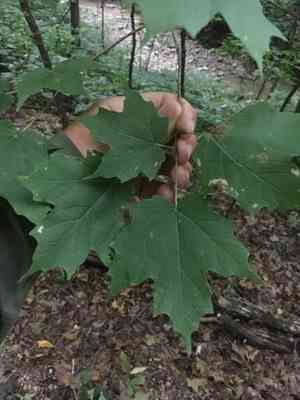
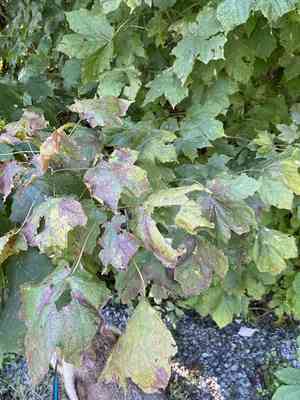
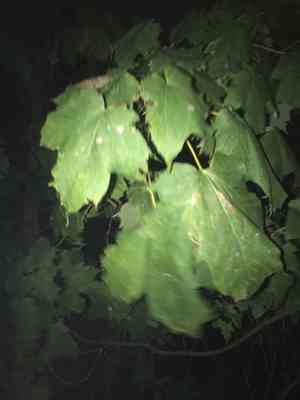
Acer nigrum can be identified by its leaves, which typically have 3 lobes, and the presence of small, black stipules at the base of the leaf petioles. The bark is darker and more furrowed compared to the sugar maple. The leaves also typically have a drooping, wilted appearance.
Scientific Classification of Black maple
Phylum
Vascular plants
Class
Dicotyledons
Order
Sapindales
Family
Soapberry
Genus
Maples
Species
Black maple
Planting and Growing of Black maple
Care Difficulty
Easy
Watering Schedule
Every 3 days
Sunlight Requirements
Full sun
Sunshine Duration
6-8 hours
Ideal Temperature
60-75℉
Soil Type
Potting Mix, Peat Mix
Soil pH
6.5-7.5
Fertilizer Type
Balanced
Pruning Season
Spring, Summer
Pruning Area
Branches, Leaves
Pruning Frequency
2 times a year
Repotting Season
Spring
Pot Type
Terracotta, Plastic
 How to Water Black maple?
For Acer nigrum, the watering amount is crucial for its health. Aim to provide around 1000 ml of water each time, ensuring that the soil is moist but not waterlogged. This amount usually saturates the area around the root ball, allowing water to penetrate deeply and encourage robust root growth. The key is to strike a balance where the moisture is consistent, yet the soil has time to dry slightly between waterings.
What are the symptoms of an underwatered Black maple?
›
What should I do if my Black maple is not getting enough water?
›
What are the symptoms of an overwatered Black maple?
›
How to save an overwatered Black maple?
›
 What Are the Sunlight Requirements for Black maple?
Acer nigrum is best suited to environments that provide full to partial sun exposure, about 6 to 8 hours daily. This ensures optimal photosynthesis, contributing to healthy, vibrant foliage and robust growth.
More About Sunlight Requirements Techniques→
How much sun does Acer nigrum need?
›
What is the best location for Acer nigrum?
›
How to provide balanced lighting for Acer nigrum?
›
 What Is the Ideal Temperature Range for Black maple?
Acer nigrum, commonly known as Black Maple, thrives best within a temperature range of 60°F to 75°F. Within this range, the tree experiences optimal growth conditions characterized by balanced metabolic activity and sustained energy for photosynthesis. Outside these temperatures, growth patterns can be hindered, affecting overall health.
 What Soil is Best for Black maple?
Acer nigrum thrives in well-drained soil to prevent root rot and other water-related issues. Ensuring proper drainage allows the roots to breathe and absorb nutrients effectively, promoting robust growth. While good drainage is essential, Acer nigrum also benefits from soil that retains some moisture. This balance supports consistent water availability, vital for its growth during drier periods, ensuring the plant doesn’t undergo stress. Rich, fertile soil filled with essential nutrients supports the vigorous growth of Acer nigrum. Nutrient-dense soil provides the necessary elements for healthy leaf development and maintains the tree's overall vitality.
 How to Fertilize Black maple?
When applying fertilizers to Acer nigrum, make sure to use a balanced 10-10-10 NPK formula. For young trees, apply roughly half a pound per year of growth. Mature trees may require up to 3 pounds, spread equally in the early spring or fall.
 How to Prune Black maple?
Before you start pruning, take a good look at the tree’s structure. The Black Maple typically has a rounded crown and dense foliage. Identify any dead, broken, or crossing branches first, as these are your primary targets during the pruning session. Focus on thinning out crowded shoots in the crown. This encourages better air circulation, sunlight penetration, and healthier growth. Begin by making clean cuts at the branch collar, where a branch connects to the trunk, to facilitate better healing and prevent disease entry. Prune to remove any sucker growth at the base of the tree or water sprouts along the branches. This will redirect the tree’s energy to more productive areas and allow for vigorous new growth, ensuring a more robust tree.
More About Pruning Techniques→
 How to Propagate Black maple plant?
1
Begin by collecting seeds from mature Acer nigrum trees. Clean them and let them dry for a few days. Stratify the seeds in the refrigerator for 90 days to break dormancy and increase germination rates.
2
Select a healthy rootstock and scion for grafting. Both should be of similar diameter. Make a clean, diagonal cut on the rootstock and a matching cut on the scion to ensure a snug fit.
3
Once seedlings have grown strong and well-rooted, they should be transplanted to larger pots or directly to the ground. Acclimate them to outdoor conditions gradually to prevent shock.
 How to Repot Black maple plant?
1
Look for signs of root overcrowding, such as roots growing out of the drainage holes or soil that dries out quickly after watering. These are indicators that your Acer nigrum is ready for a roomier pot. Additionally, if the growth seems stunted or the soil is very compacted, it might be time to consider repotting. Typically, the best time to repot is in early spring when the plant is just coming out of dormancy.
2
Select a pot that is one size larger than the current one, with good drainage holes. Using a pot that is too large can cause water retention issues. Materials like terracotta or ceramic are excellent as they allow breathability, preventing root rot by letting the soil dry out more evenly. Ensure stability and weight balance, keeping the tree upright and secure.
3
Use a well-draining, loamy soil mix to promote healthy root growth and avoid waterlogging. Incorporating organic compost helps provide essential nutrients, ensuring vibrant growth. This blend allows for adequate air circulation around the roots, which is essential for preventing diseases and enhancing the plant's uptake of nutrients.



