How to Propagate Black maple?
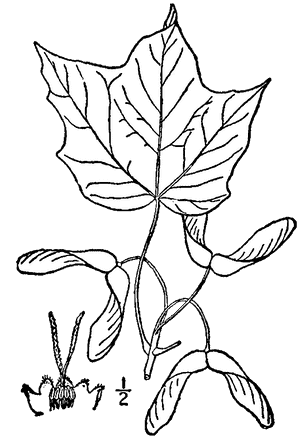
Acer nigrum can be multiplied through dormant stem sections, air layering, or by planting seeds in the fall or winter. The process of propagation presents a moderate challenge. Indicators of successful propagation are the emergence of roots and fresh foliage. Maintaining a consistently damp rooting substrate and ensuring sufficient illumination are advised for effective propagation.
Optimal Time for Black Maple Propagation
Propagation Method
Cutting
Propagation Period
Autumn,Winter
Tools for Black Maple Propagation
Pruning Shears
Used to take cuttings from black maple, pruning shears must be sharp and sterile to prevent disease transmission and ensure clean cuts that will heal properly, fostering better root development.
Rooting Hormone
Applied to the cut end of black maple cuttings to stimulate root growth and increase the chance of successful propagation. This hormone speeds up the rooting process and can lead to a stronger root system.
Propagation Tray
This provides an organized, controlled environment for black maple cuttings to root. Typically featuring cells or small pots, these trays help maintain consistent moisture levels and can support large numbers of cuttings in a compact space.
Soilless Potting Mix
Offers a sterile, well-draining environment that is critical for the rooting of black maple cuttings. A soilless mix reduces the risk of soil-borne pathogens and encourages oxygen availability for developing roots.
Heating Mat
Enhances root development by maintaining a consistent and appropriate soil temperature for black maple cuttings to thrive. It's especially useful in cooler climates or seasons when ambient temperatures may not be optimal for propagation.
Humidity Dome
Maintains high humidity levels around black maple cuttings, which is vital for preventing the cuttings from drying out before they can establish new roots. The dome also helps regulate temperature around the cuttings.
Misting Bottle
Provides gentle hydration to black maple cuttings without disturbing the soil or cuttings, ensuring the delicate new roots and leaves do not dry out during the critical early stages of propagation.
Sterilizing Agent
Used to clean all the tools before and after propagation of black maple to prevent the spread of disease. This contributes to the overall health of the cuttings and the success rate of propagation.
Caring for Your Newly Propagated Black Maple
Caring for Your Newly Propagated Black Maple
After the black maple cuttings have successfully rooted, gradually acclimate them to the outside environment. Begin by opening the plastic cover to reduce humidity gradually over a week, then finally remove it. Continue to keep the soil evenly moist and protect young plants from direct sunlight initially. Once the plants are sturdy and showing new growth, they can be transplanted into larger pots or directly outdoors if the conditions are right. Continue to provide protection from strong winds and support the young trees as needed. Fertilize with a balanced, slow-release fertilizer according to the product's instructions to facilitate robust growth.
Common Mistakes to Avoid When Propagating Black Maple
Inadequate rooting conditions
Rooting failures often occur when propagators ignore the specific soil requirements of black maple. Using a medium that does not provide adequate drainage, aeration, or the proper pH can lead to poor root development or rot.
Overwatering
Watering black maple too much during the propagation phase can cause an increase in fungal growth and rot, which can kill young shoots and roots, leading to failed propagation efforts.
Cutting size
Taking cuttings that are either too large or too small can impact the success rate. Too large and they may struggle to establish roots, too small and they may not have enough stored energy to survive.
Neglecting hygiene
Failing to use sterile tools and containers when propagating black maple can introduce pathogens to the cuttings. This increases the risk of disease, which can compromise the success of propagation.
Tips For Propagating Black Maple
Softwood cuttings
Using cuttings from the softwood growth of black maple can enhance rooting success. These cuttings tend to root more easily and are less prone to disease than hardwood cuttings.
Humidity
Maintaining high humidity around black maple cuttings will help prevent them from drying out before rooting. A humidity dome or plastic bag can be used to create a humid microenvironment.
Root-promoting hormones
Applying root-promoting hormones to the cutting bases of black maple can significantly improve the chances of successful root development.
Careful watering
Maintain a consistent moisture level in the rooting medium for black maple. Overwatering and underwatering can both be detrimental, so ensuring a balance is key to the successful establishment of roots.



