How to Prune Cedar wattle?
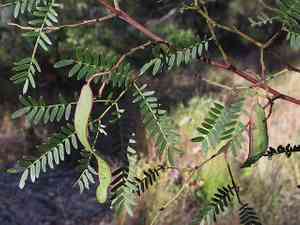
This perennial woody plant, recognized for its vibrant yellow blossoms and resemblance to cedar, thrives with trimming to encourage robust development and preserve its form. For cedar wattle, conduct pruning in the winter while the plant is inactive to prevent sap leakage and encourage spring development. Cut away any lifeless or ailing branches, sculpt as required, and eliminate branches growing inward to improve light access and air circulation. Pruning also contributes to a denser and more visually appealing structure, which is essential for its decorative application.
What Are the Benefits of Pruning Cedar Wattle?
What Are the Benefits of Pruning Cedar Wattle?
Trimming cedar wattle is crucial for sustaining its vitality and desired form. Strategic cutting promotes new, robust growth and helps maintain an attractive shape, essential for landscape upkeep and garden aesthetics.
What Is the Best Time for Pruning Cedar Wattle?
What Is the Best Time for Pruning Cedar Wattle?
Pruning during winter is advantageous for cedar wattle because the plant is dormant then. This period reduces plant stress, as energy reserves are conserved rather than used for active growth, flowering, or fruiting. Dormant season pruning also lowers the risk of pest infestation and disease transmission, which is higher during warmer, growing seasons. Furthermore, it allows gardeners to better assess cedar wattle's structure without leaves obstructing branches, enabling more strategic cuts that encourage healthy growth and shape in the upcoming spring.
What Tools Do I Need to Prune Cedar Wattle?
Hand Pruners
Perfect for making clean cuts on cedar wattle's smaller, thinner branches, typically up to 1/2 inch in diameter. They are easy to handle and precise, which is essential for maintaining the health and shape of cedar wattle.
Lopping Shears
Ideal for cutting through branches that are slightly thicker, generally up to 1 1/2 inches in diameter on cedar wattle. Their long handles provide leverage to make pruning less strenuous, especially for branches that are out of reach with hand pruners.
Pruning Saw
Required for cedar wattle's larger branches, over 1 1/2 inches in diameter. The saw allows for cutting thicker growth without damaging the bark or surrounding areas of cedar wattle. It ensures clean cuts that heal well.
Pole Pruner
Useful for reaching higher branches of cedar wattle without needing a ladder. It combines a saw and lopping shear on an extendable pole, providing both reach and cutting variety.
How to Prune Cedar Wattle
Clean tools
Before starting, sanitize pruning tools with a 10% bleach solution or alcohol to prevent disease spread.
Inspect cedar wattleN]
Examine cedar wattle closely to identify all dead or diseased branches, which may appear dry, brittle, discolored, or show signs of fungal growth.
Cut diseased branches
Using sharp, sterilized pruning shears, carefully cut away diseased branches, making the cut at a healthy part of the branch well below the affected area to ensure all diseased tissue is removed.
Remove dead branches
Remove dead branches by cutting them at the point where they meet healthy wood, taking care not to damage the collar or main branch from which they are growing.
Dispose
Dispose of all removed material away from healthy plants to prevent any potential spread of disease and clean the tools again after finishing.
Common Pruning Mistakes with Cedar Wattle
Over-pruning
Removing too much foliage at once can stress cedar wattle, making it susceptible to diseases and pests.
Improper cuts
Cutting too close to the main stem or making jagged cuts can impede the healing process and invite infections.
Neglecting tool hygiene
Using dirty pruning tools can spread diseases between plants, harming cedar wattle.
Pruning for size control
Attempting to drastically reduce the size of cedar wattle through severe pruning can lead to weak growth and an unhealthy plant structure.
Ignoring deadwood
Failing to regularly remove dead or diseased branches can hinder healthy growth and affect the overall vigor of the plant.
Common Pruning Tips for Cedar Wattle
Sharp tools
Use clean, sharp cutting tools to make precise cuts that heal quickly and minimize stress to cedar wattle.
Angle cuts
Prune branches at a slight angle to prevent water accumulation and to promote rapid healing.
Conservative approach
Adopt a conservative approach, removing only what is necessary for plant health and appearance, generally not exceeding one-third of the foliage in a pruning session.
Selective thinning
Thin out small branches to open up the canopy of cedar wattle for better air circulation and light penetration, which can enhance blooming.
Follow natural shape
Prune to maintain the natural shape of cedar wattle, which supports a strong structure and avoids a manicured appearance that can weaken the plant.



