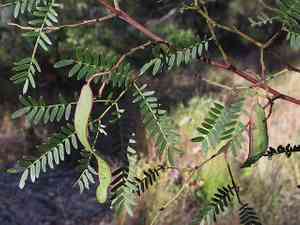
Cedar wattle (Acacia terminalis)
Also known as: Sunshine Wattle, Terminal Wattle
The Cedar Wattle (Acacia terminalis) brightens gardens during the colder months with its vibrant yellow blooms. Known for its extended flowering period, it attracts butterflies, bees, seed-eating birds, and various other insects.
In This Article
Attributes of Cedar wattle
Lifespan
Perennial
Plant Type
Tree, Shrub
Plant Height
6 m
Spread
2 m
Leaf Color
Dark green
Flower Size
4 mm to 1.3 cm
Flower Color
White Yellow Pink Cream
Images of Cedar wattle
Quickly Identify Cedar wattle
1
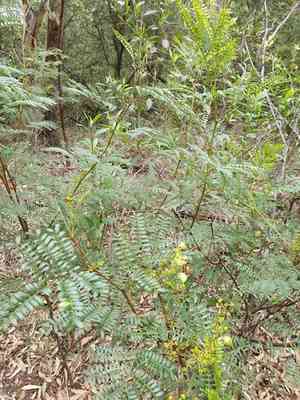
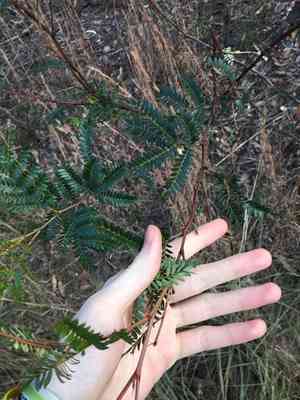
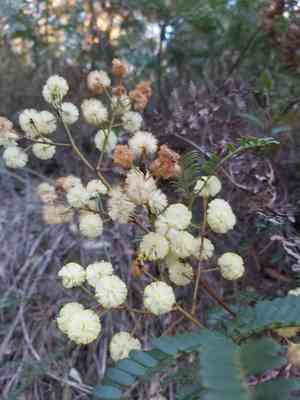
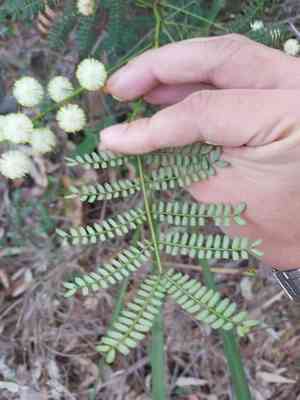
Acacia terminalis can be identified by its bipinnate leaves, which are divided into small leaflets. Its yellow, fluffy flower heads appear in spherical clusters and bloom in late winter to early spring. The seed pods are flat and brown when mature.
Scientific Classification of Cedar wattle
Phylum
Vascular plants
Class
Dicotyledons
Order
Fabales
Family
Legume
Genus
Acacias
Species
Cedar wattle
Planting and Growing of Cedar wattle
Care Difficulty
Easy
Watering Schedule
Every 4 days
Sunlight Requirements
Full sun
Sunshine Duration
6-10 hours
Ideal Temperature
59-77℉
Soil Type
Potting Mix, Peat Mix
Soil pH
6.5-7.5
Fertilizer Type
Balanced
Pruning Season
Spring, Summer
Pruning Area
Branches, Leaves
Pruning Frequency
2 times a year
Repotting Season
Spring
Pot Type
Plastic, Terracotta
 How to Water Cedar wattle?
Acacia terminalis should be watered so that the soil is thoroughly moist but not waterlogged. This generally means applying around 500 ml of water each time. The key is to ensure water seeps down to promote deep root growth without leaving excess standing water, as this can suffocate the roots.
What are the symptoms of an underwatered Cedar wattle?
›
What should I do if my Cedar wattle is not getting enough water?
›
What are the symptoms of an overwatered Cedar wattle?
›
How to save an overwatered Cedar wattle?
›
 What Are the Sunlight Requirements for Cedar wattle?
Acacia terminalis should ideally have partial to full sun. This promotes robust health, abundant flowering, and prevents etiolation. Balanced light exposure fortifies the plant's natural defenses and aesthetic appeal.
More About Sunlight Requirements Techniques→
What is the ideal lighting for Acacia terminalis?
›
How can I ensure Acacia terminalis gets ideal lighting?
›
What are the benefits of ideal lighting for Acacia terminalis?
›
 What Is the Ideal Temperature Range for Cedar wattle?
The ideal temperature range for Acacia terminalis is between 59°F and 77°F. This range provides the optimal conditions for growth and development, allowing the plant to thrive by supporting efficient photosynthesis and robust physiological processes. Within these temperatures, Acacia terminalis can exhibit its best growth patterns, including healthy foliage and vibrant flowers.
 What Soil is Best for Cedar wattle?
Acacia terminalis thrives in well-drained soils that prevent waterlogging, ensuring root health and preventing root rot. This type of soil structure facilitates proper aeration and nutrient uptake, crucial for the plant's growth. Providing Acacia terminalis with nutrient-rich soil supports its growth and flowering. Soils with ample organic matter supply the essential nutrients required for photosynthesis, fostering vibrant foliage and robust plant health. The plant prefers soils with moderate moisture that are kept consistently damp. This balance supports metabolic functions while avoiding extremes that can stress the plant and impact its development.
 How to Fertilize Cedar wattle?
For Acacia terminalis, it's essential to use an appropriate amount of fertilizer to avoid any harm. For liquid fertilizers, use half a teaspoon per gallon of water, ensuring thorough mixing before application. When using slow-release granules, apply a handful gently spread around the base, avoiding direct contact with the stem.
 How to Prune Cedar wattle?
Begin by sterilizing your tools to prevent disease transmission. Start with removing any dead or diseased branches to improve the plant's overall health. Next, focus on shaping the acacia by cutting back leggy or overly dense areas to encourage air circulation and sunlight penetration. Always aim to cut at a 45-degree angle just above a node to promote new growth. To encourage more bushier growth, prune the tips of young branches regularly. This will not only promote the development of side shoots but also help in keeping the plant attractive and compact. Aim to cut just above a node or a pair of leaves for the best results.
More About Pruning Techniques→
 How to Propagate Cedar wattle plant?
1
Soak the seeds of Acacia terminalis in warm water overnight before planting. This helps to soften the seed coat, encouraging quicker germination by allowing water to penetrate the seed more easily.
2
When propagating through cuttings, select healthy, semi-hardwood stems from the parent plant. The ideal cutting should be about 10-15 cm long, with several leaf nodes, to maximize the chances of rooting successfully.
3
Plant seeds or cuttings into prepared trays or pots. Ensure seeds are covered lightly with soil. Water gently but thoroughly, ensuring the soil is moist but not waterlogged, as this could lead to rot or fungal problems.
 How to Repot Cedar wattle plant?
1
Look for signs such as roots growing out of the drainage holes, slow growth, or soil drying out too quickly. These indicate that your Acacia terminalis needs more space to thrive.
2
Select a pot that is 1-2 inches larger in diameter than the current one. Ensure it has adequate drainage holes to prevent waterlogging, which can lead to root rot.
3
Opt for a well-draining potting mix. This allows the roots to breathe while providing essential nutrients, reducing the risk of root diseases.



