How to Prune Blackwood?
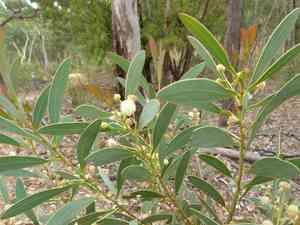
Blackwood, known for its delicate leaves and golden flowers, flourishes with careful trimming. The best periods for pruning are late winter and early spring, which encourages vigorous development and preserves its form. Concentrate on eliminating deceased or infected limbs and reducing the density of the foliage to improve air movement. Trimming aids in boosting blossom production and controlling its dimensions, leading to a more resilient plant. Verify that all cuts are precise and instruments are disinfected to avert the dissemination of illnesses, thereby fostering the general well-being of blackwood.
What Are the Benefits of Pruning Blackwood?
What Are the Benefits of Pruning Blackwood?
Blackwood thrives with trimming to encourage robust growth and maintain an attractive form. Regular trimming fosters healthier development, deters pests, manages size, and improves overall appearance.
What Is the Best Time for Pruning Blackwood?
What Is the Best Time for Pruning Blackwood?
Trimming blackwood during early spring and late winter is optimal as these periods coincide with the plant's dormant or low activity phases. Pruning at these times helps minimize sap loss and lowers the chance of disease or pest infestation. Additionally, pruning just before the active growth season stimulates strong new growth and supports the plantâs well-being. This timing also ensures that pruning does not interfere with the flowering or seed development periods of blackwood, promoting a more vigorous and aesthetically pleasing growth pattern.
What Tools Do I Need to Prune Blackwood?
Hand Pruners
Perfect for cutting small branches up to 1/2 inch in diameter. Essential for detailed trimming and shaping of blackwood.
Loppers
Suitable for branches between 1/2 inch and 2 inches in diameter. Offers greater leverage and cutting power for larger branches of blackwood.
Pruning Saw
Best for branches exceeding 2 inches in diameter. Ensures clean cuts on thicker branches of blackwood, reducing the risk of damage or disease.
Pole Pruner
Useful for reaching higher branches without needing a ladder. Ensures safety and efficiency when trimming taller stems of blackwood.
Bypass Pruners
Designed for making precise and clean cuts, minimizing harm to live plant tissue of blackwood. Helps maintain plant health and structure.
How to Prune Blackwood
Assess
Examine blackwood carefully to identify dead or diseased branches. Look for discoloration, lack of foliage, or signs of infection.
Tools
Prepare appropriate trimming tools such as clean, sharp bypass pruners or loppers to make precise cuts. Ensure the tools are disinfected to prevent the spread of disease.
Remove dead
Cut off dead branches by making clean cuts just above a healthy branch junction or near the base. Ensure all dead wood is completely removed.
Remove diseased
Trim diseased branches by cutting several inches below the affected area into healthy wood. Dispose of the diseased material promptly to prevent contamination.
Cleanup
Clean up all trimmed materials from around blackwood and dispose of them properly. Clean and sterilize tools again after use to maintain overall plant health.
Common Pruning Mistakes with Blackwood
Improper Technique
Using incorrect tools or making improper cuts can cause damage to blackwood. For example, jagged cuts can leave the plant susceptible to disease.
Over-pruning
Removing too much foliage at once can stress blackwood, leading to reduced growth and vitality.
Wrong Branch Selection
Trimming healthy, vigorous branches instead of dead, diseased, or crossing branches can negatively impact the plant's structure and health.
Common Pruning Tips for Blackwood
Clean Tools
Always use sharp, clean trimming shears to make clean cuts and minimize the risk of introducing diseases to blackwood.
Removing Dead or Diseased Wood
Focus on removing dead, diseased, or damaged branches. This promotes better air circulation and prevents the spread of pathogens.
Thinning Out
Thin out dense areas to improve light penetration and air flow, which is crucial for blackwood's health and flowering.
Angle Cuts
Make cuts at a slight angle to prevent water from pooling on the cut surfaces, which reduces the risk of rot.
Gradual Pruning
If blackwood requires significant shaping or size reduction, do it gradually over several seasons to avoid overwhelming the plant.



