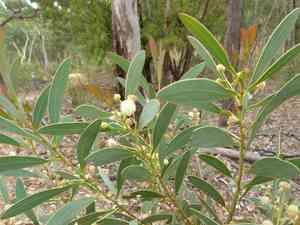
Blackwood (Acacia penninervis)
Also known as: Mountain hickory
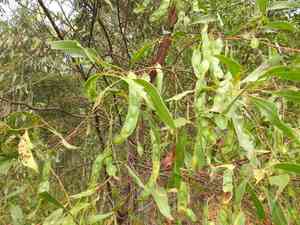
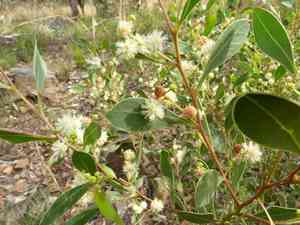
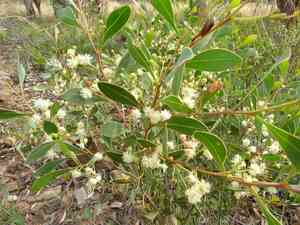
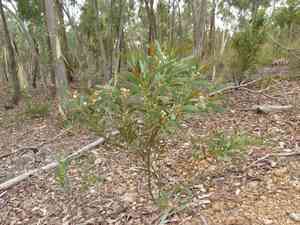
Blackwood (Acacia melanoxylon) is a tree native to southeastern Australia and Tasmania. It typically grows to heights of 6-30 meters and features dark green, glossy phyllodes instead of traditional leaves. The tree produces small, creamy-yellow, globular flowers clustered together. Known for its hard and dense wood, Blackwood is highly valued for crafting fine furniture and musical instruments.
Ecologically, Blackwood serves several critical roles:
1. **Soil Enrichment**: As a legume, it enhances soil fertility through nitrogen fixation.
2. **Wildlife Habitat**: It offers shelter and nourishment to a variety of animals, including birds, insects, and mammals.
3. **Erosion Prevention**: Its extensive root system helps stabilize soil, reducing erosion.
4. **Biodiversity Contributions**: The tree supports ecosystem diversity through its interactions with numerous species.
In essence, Blackwood significantly contributes to the health and stability of its native ecosystems by improving soil quality, providing habitat, and preventing erosion.
Attributes of Blackwood
Images of Blackwood
Quickly Identify Blackwood
Scientific Classification of Blackwood
Planting and Growing of Blackwood
 How to Water Blackwood?
 What Are the Sunlight Requirements for Blackwood?
 What Is the Ideal Temperature Range for Blackwood?
 What Soil is Best for Blackwood?
 How to Fertilize Blackwood?
 How to Prune Blackwood?
 How to Propagate Blackwood plant?
 How to Repot Blackwood plant?
Toxicity
None



