How to Prune Paradox acacia?
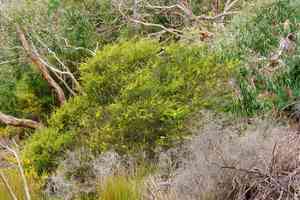
A spiky, perennial bush recognized for its thick leaves and golden blossoms, paradox acacia thrives with trimming to preserve its form and foster vigor. Perform pruning in late spring or early summer subsequent to blooming to stimulate fresh development. Cut back judiciously, eliminating deceased or excessively long branches and sculpting the plant. Consistent trimming averts excessive density and improves air movement, diminishing the likelihood of ailments. Pruning additionally aids in managing its aggressive tendencies by detaching seed pods prior to their full development.
What Are the Benefits of Pruning Paradox Acacia?
What Are the Benefits of Pruning Paradox Acacia?
Trimming paradox acacia promotes more abundant flowering and helps prevent pest and disease infestations, leading to a healthier, more robust plant.
What Is the Best Time for Pruning Paradox Acacia?
What Is the Best Time for Pruning Paradox Acacia?
Trimming paradox acacia in late spring and early summer coincides with its vigorous post-flowering growth, ensuring quick wound recovery. This timing allows gardeners to shape paradox acacia and manage its size before the main growing season, fostering healthier development and preventing illness. Additionally, pruning after frost risk protects the plant from cold damage. Avoiding pruning in late autumn or winter is crucial, as paradox acacia can be vulnerable to frost if new growth is stimulated too close to colder weather.
What Tools Do I Need to Prune Paradox Acacia?
Hand Pruners
Perfect for cutting smaller branches of paradox acacia, hand pruners allow for precise cuts and are easy to handle. They should be sharp and fit comfortably to make clean cuts without harming the branches.
Loppers
For branches too thick for hand pruners, yet under 2 inches in diameter, loppers provide the necessary leverage and reach to effectively prune paradox acacia.
Pruning Saws
When dealing with mature paradox acacia that have branches over 2 inches thick, pruning saws are essential. They can manage larger branches and come in various blade lengths to suit the cut's size and location.
Gloves
Given paradox acacia's thorns and dense growth, thick gloves are vital for protecting hands and arms from scratches and injuries during pruning.
Safety Glasses
When pruning paradox acacia, it's critical to shield your eyes from thorns and debris, so always wear safety glasses during the process.
How to Prune Paradox Acacia
Sterilization
Before beginning the pruning process, sanitize all pruning tools with a bleach or alcohol solution to prevent disease spread to paradox acacia.
Removal diseases
Carefully remove all diseased leaves and branches from paradox acacia using pruning shears or a saw for larger limbs, ensuring clean cuts that do not harm the plant's remaining healthy tissue.
Removal dead elements
Eliminate withered leaves, dead branches, and spent flowers from paradox acacia to improve the plant's appearance and encourage healthy growth, following the plant's natural shape and branching pattern.
Thinning
Thin out excessive growth branches on paradox acacia to enhance air circulation and light penetration, selectively cutting back branches that cross or compete for space, while maintaining the overall structure.
Final check
After pruning, inspect paradox acacia for any remaining dead or diseased areas missed in previous steps, and remove them carefully to complete the process.
Common Pruning Mistakes with Paradox Acacia
Over-pruning
Removing too much growth in a single pruning session can stress paradox acacia, leading to a weak structure or poor health. Aim to remove no more than one-quarter of the foliage at any time.
Tear-cuts
Using dull or unsuitable tools can cause tear-cuts, damaging paradox acacia's vulnerable tissues. This exposes the plant to diseases and pests.
Flush-cutting
Cutting too close to the main stem or branch, known as flush-cutting, can remove vital callus tissue needed for proper wound healing in paradox acacia.
Neglecting deadwood
Failing to remove dead or diseased wood can hinder paradox acacia's growth and overall health by diverting energy to nonproductive parts.
Disregarding branch angle
Ignoring the branch's angle when pruning can lead to an inappropriate growth direction for new shoots on paradox acacia.
Common Pruning Tips for Paradox Acacia
Clean cut
Make clean cuts at a 45-degree angle, just above a bud facing outwards, to ensure healthy regrowth for paradox acacia.
Tool sanitization
Ensure pruning tools are well-sanitized between cuts to prevent the spread of diseases among paradox acacia's branches.
Branch selection
Identify which branches to prune by assessing their contribution to the overall shape and health of paradox acacia, removing only those that are dead, diseased, or crossing over others.
Natural shape maintenance
Prune with the goal of maintaining paradox acacia's natural shape and structure, rather than attempting to force it into an unnatural form.
Thinning
Thin out dense areas of growth to ensure adequate light penetration and air circulation, which will reduce the risk of disease in paradox acacia.



