The Paradox acacia Plant Advantage: Maximizing Home and Office Appeal and Wellness
1
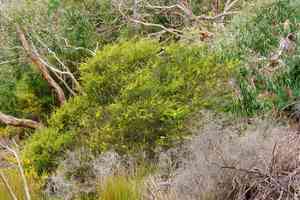
Paradox acacia tolerates dry conditions well, ideal for arid climates.
2
This plant offers a natural home for diverse animal life.
3
Paradox acacia aids in securing soil and preventing erosion.
Why Paradox Acacia Excels in Arid Regions?
A Resilient Species
Paradox acacia thrives in dry, parched environments. Its extensive root system allows it to access water sources inaccessible to many other plants, enabling it to withstand drought periods with minimal gardener intervention. This inherent drought resistance makes Paradox acacia an excellent option for areas requiring water conservation, offering greenery and ecological advantages without high water consumption.
Low Upkeep
A significant benefit of Paradox acacia is its minimal maintenance requirements. Once established, it needs very little watering and care, reducing the effort for gardeners. This makes it particularly attractive to those desiring a beautiful garden without investing extensive time and resources. Furthermore, Paradox acacia resists many pests and diseases, simplifying its upkeep.
How Does Paradox Acacia Benefit Local Wildlife?
Providing Shelter and Sustenance
One ecological advantage of planting Paradox acacia is its role in supporting local fauna. The plant's dense foliage and spiny branches offer excellent cover and nesting sites for various bird species. Additionally, Paradox acacia's flowers attract pollinators like bees and butterflies, contributing to the area's biodiversity. Its seeds also serve as a food source for birds and small mammals, enriching the local ecosystem.
Establishing Mini Ecosystems
By introducing Paradox acacia into garden spaces, gardeners effectively create small-scale ecosystems. These plants can become central to a balanced environment where different species interact and flourish. Such biodiversity benefits not only wildlife but also the garden's health, promoting natural pest control and soil fertility.
How Does Paradox Acacia Aid in Soil Stabilization and Erosion Control?
Deep Root Systems
The deep root systems of Paradox acacia are highly effective in preventing soil erosion. These roots help bind the soil, reducing the impact of wind and water erosion, which is especially beneficial in sloped or hilly areas prone to soil displacement. By stabilizing the soil, Paradox acacia helps maintain landscape integrity, preventing landslides and loss of soil fertility.
Enhancing Soil Quality
Beyond preventing erosion, Paradox acacia also contributes to improved soil quality. The plant's roots help aerate the soil, promoting better water absorption and nutrient distribution. Over time, organic matter from fallen leaves and branches decomposes, enriching the soil with essential nutrients. This creates a healthier environment for other plants to grow alongside Paradox acacia, boosting the area's overall fertility.
What Are the Best Practices for Integrating Paradox Acacia into Your Landscape?
Optimal Planting Conditions
To maximize Paradox acacia's potential, it's crucial to plant it in conditions mimicking its natural habitat. This includes well-drained soil and full sun exposure. Although Paradox acacia adapts to various soil types, sandy or loamy soils are preferred for optimal growth. Planting during cooler months helps the plant establish its roots before the hot, dry season begins.
Companion Planting
Paradox acacia can be incorporated into various landscape designs through companion planting. Pairing it with other drought-tolerant plants, such as succulents and native grasses, creates a cohesive and low-maintenance garden. These combinations not only enhance aesthetic appeal but also ensure a sustainable and resilient garden ecosystem.
How Can Paradox Acacia Be Utilized in Landscape Design?
Decorative Hedges and Barriers
Paradox acacia can be effectively used to create natural barriers and ornamental hedges. Its dense and thorny branches make it an excellent choice for natural fencing, providing both privacy and security. When pruned and shaped, it can enhance the visual appeal of gardens and large landscapes.
Garden Focal Points
Beyond its practical applications, Paradox acacia can also serve as a focal point in garden designs. Its distinctive appearance and vibrant seasonal blooms can attract attention and add a dramatic element to landscape layouts. Strategically placing Paradox acacia within garden beds or as standalone specimens can elevate the design and interest of outdoor spaces.



