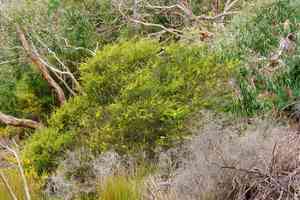
Paradox acacia (Acacia paradoxa)
Also known as: Kangaroo thorn, Kangaroo acacia
Paradox acacia (Acacia paradoxa) is notable for its striking yellow flowers, which contrast with its thorny branches. Native to Australia, this shrub offers significant ecological benefits by providing shelter for small birds, nectar for butterflies and moths, and seeds that attract birds. Additionally, its flowers are edible and can be used in culinary applications such as fritters. In landscaping, paradox acacia is valued for creating hedges, natural screens, and effective erosion control due to its robust growth and low maintenance requirements.
In This Article
Attributes of Paradox acacia
Lifespan
Perennial
Plant Type
Shrub
Plant Height
2 m to 4 m
Spread
1.8 m to 3.5 m
Leaf Color
Green
Flower Size
5 mm to 1 cm
Flower Color
Yellow
Images of Paradox acacia

Quickly Identify Paradox acacia
1
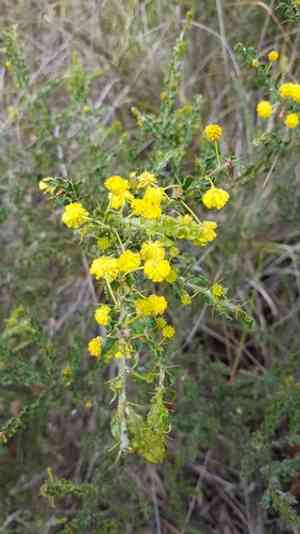
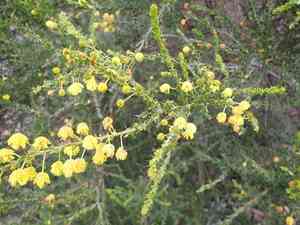
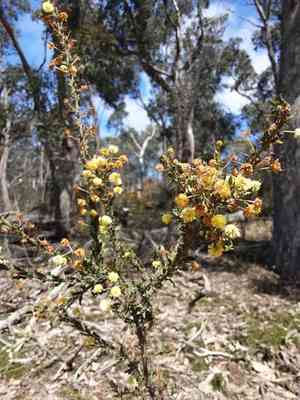
Acacia paradoxa can be identified by its sharp thorns, small elliptical leaves, and bright yellow flowers that form in spherical clusters. The plant also has a dense, bushy growth habit.
Scientific Classification of Paradox acacia
Phylum
Vascular plants
Class
Dicotyledons
Order
Fabales
Family
Legume
Genus
Acacias
Species
Paradox acacia
Planting and Growing of Paradox acacia
Care Difficulty
Easy
Watering Schedule
Every 2 days
Sunlight Requirements
Full sun
Sunshine Duration
4-6 hours
Ideal Temperature
65-75℉
Soil Type
Potting Mix, Peat Mix
Soil pH
6.5-7.5
Fertilizer Type
Balanced
Pruning Season
Spring, Summer
Pruning Area
Branches, Leaves
Pruning Frequency
2 times a year
Repotting Season
Spring
Pot Type
Plastic, Ceramic
 How to Water Paradox acacia?
Acacia paradoxa is a resilient plant that prefers not to be overwatered. When watering, ensure the soil is evenly moist but not saturated. Use 500ml of water and aim for thorough irrigation without creating waterlogged conditions.
What are the symptoms of an underwatered Paradox acacia?
›
What should I do if my Paradox acacia is not getting enough water?
›
What are the symptoms of an overwatered Paradox acacia?
›
How to save an overwatered Paradox acacia?
›
 What Are the Sunlight Requirements for Paradox acacia?
Full sun to partial sun ensures optimal growth, encouraging vibrant foliage and prolific flowering, enhancing aesthetic and ecological benefits of Acacia paradoxa.
More About Sunlight Requirements Techniques→
What is the best light condition for Acacia paradoxa?
›
How to provide the ideal lighting for Acacia paradoxa?
›
Why is full sun important for Acacia paradoxa?
›
 What Is the Ideal Temperature Range for Paradox acacia?
The ideal temperature range for Acacia paradoxa is between 65°F and 75°F. This range ensures optimal photosynthesis and growth. Maintaining these temperatures allows the plant to sustain metabolic processes efficiently, promoting healthy development and flowering.
 What Soil is Best for Paradox acacia?
Acacia paradoxa thrives in soils with excellent drainage. This attribute prevents waterlogging, which can lead to root rot. Well-drained soil helps maintain healthy roots and supports optimal growth. Although relatively hardy, Acacia paradoxa benefits from soils enriched with essential nutrients. Such soils provide the necessary minerals for robust foliage and the development of strong branches. While it needs good drainage, the soil should retain enough moisture to support the plant during dry spells. This balance helps Acacia paradoxa survive drought conditions prevalent in its natural habitat.
 How to Fertilize Paradox acacia?
When it comes to fertilizing Acacia paradoxa, ensure you use a balanced, slow-release fertilizer with a nutrient ratio such as 10-10-10. For liquid fertilizers, use about half the recommended dose to avoid nutrient burn and ensure steady, healthy growth.
 How to Prune Paradox acacia?
Begin by examining the overall shape you want this spiky beauty to achieve. Using sharp, clean shears, start by cutting back any dead, broken, or diseased branches. Focus on removing interior branches to allow light and air to penetrate, fostering a robust structure. Trim the plant’s perimeter to keep a neat form, making angled cuts just above a node to encourage outward growth. For more advanced shaping, consider the natural growth pattern of Acacia paradoxa. Trim selectively to enhance its distinct features, such as promoting a stunning vase shape. This plant responds well to hard pruning, which is particularly useful if it becomes overgrown. You can cut back up to a third of the plant to rejuvenate its bushy appearance.
More About Pruning Techniques→
 How to Propagate Paradox acacia plant?
1
Soak Acacia paradoxa seeds in warm water for 24 hours to break dormancy before planting. This promotes faster and more uniform germination.
2
Select healthy, semi-mature stems and cut them about 10-15 cm long. Remove lower leaves and plant the cuttings in a well-draining medium.
3
Plant the pre-soaked seeds in a well-draining soil mix, ensuring they are lightly covered with soil. Water lightly to keep the soil moist but not waterlogged.
 How to Repot Paradox acacia plant?
1
Acacia paradoxa should be repotted when its roots start to circle the pot, indicating it's 'root-bound'. Another signal is slowed growth despite regular watering. The best time to address these signs is during spring or early autumn when the plant is more resilient.
2
Choose a pot that is slightly larger than the current one, with adequate drainage holes. A pot that is too large can lead to water retention and root rot, while a well-sized pot supports healthy root growth and prevents overwatering.
3
Opt for a well-drained sandy loam mix, as it provides excellent drainage, replicating the plant's natural environment. This prevents waterlogging and supports healthy root development, promoting lush foliage growth.
Toxicity
Ingestion
WARNING
The judgment on toxicity and danger is for reference only. We DO NOT GUARANTEE any accuracy of such judgment. Therefore, you SHALL NOT rely on such judgment. It is IMPORTANT TO SEEK PROFESSIONAL ADVICE in advance when necessary.



