How to Prune Early wattle?
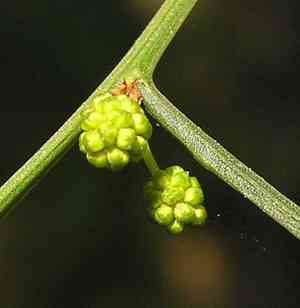
Acacia paradoxa, recognized for its thorny stems and golden blossoms, thrives with regular trimming to preserve its form and stimulate robust development. The ideal period for pruning Acacia paradoxa is in the early spring, prior to the emergence of new shoots. Eliminate any branches that are deceased, compromised, or intersecting. Minor shaping can improve air circulation and light exposure. Consistent pruning fosters thicker foliage and more vivid flowers. Furthermore, sculpting the plant can manage its dimensions and avert excessive expansion.
Advantages of Trimming Early Wattle
Advantages of Trimming Early Wattle
Trimming early wattle promotes robust development and helps maintain its form. It encourages denser foliage, improves air circulation, and enhances blooming. This reduces the risk of pests and diseases, ensuring the plant remains visually appealing and manageable.
Optimal Time for Trimming Early Wattle
Optimal Time for Trimming Early Wattle
Early spring is considered the best time for trimming early wattle as it aligns with the plant's growth cycle. Pruning during this period allows the plant to focus energy on new growth as it enters the active growing season. Additionally, this timing reduces the risk of disease and pests that are less active in cooler temperatures, ensuring healthier regrowth. Early spring pruning also ensures that you do not interfere with the flowering period, allowing early wattle to bloom fully without disturbance.
Tools Required for Trimming Early Wattle
Hand Pruners
Hand pruners are ideal for making clean cuts on smaller branches and stems. They are crucial for precise and careful pruning to maintain the plant's shape.
Loppers
Loppers are suitable for cutting thicker branches that hand pruners cannot handle. They provide the leverage needed to prune larger woody stems without damaging the plant.
Pruning Saw
A pruning saw is necessary for cutting through larger branches. This tool ensures clean cuts on woody and thick branches, which is essential for maintaining the health of early wattle.
Gloves
Protective gloves are essential to safeguard hands from the sharp branches and thorns of early wattle. They provide comfort and safety while pruning.
How to Trim Early Wattle
Inspect
Begin by closely inspecting early wattle to identify any diseased leaves, withered leaves, dead branches, and diseased branches. This initial assessment will help target areas that need attention.
Remove diseased leaves
Using clean, sharp pruning shears, carefully remove all diseased leaves at their base, ensuring you do not damage healthy foliage. Dispose of the removed leaves properly to prevent the spread of disease.
Trim withered leaves
Trim away any withered or yellowing leaves, cutting them off at their base. Ensure these cuts are clean to promote healthy regrowth and avoid leaving stubs.
Cut dead branches
Identify all dead branches, which often appear dry and brittle. Cut these branches back to the nearest healthy part of the plant, being cautious not to damage living tissue.
Remove diseased branches
Carefully prune out any diseased branches, cutting well below the affected area into healthy wood. Sterilize pruning tools between cuts to prevent spreading the disease to other parts of early wattle.
Common Trimming Errors with Early Wattle
Improper Technique
Using dull or inappropriate tools can damage the plant. It's important to use sharp, clean pruning shears to make clean cuts.
Over-pruning
Removing too much foliage can stress early wattle and inhibit its growth and flowering. It's crucial to avoid cutting more than one-third of the plant at any one time.
Incorrect Cuts
Making cuts too close to the main stem or not at the correct angle can lead to disease and poor healing. Always cut just above a bud or side branch to promote healthy regrowth.
Pruning at Wrong Nodes
Cutting at the wrong nodes can lead to weak growth or unsightly stubs. Ensure cuts are made just above healthy buds or branches.
Ignoring Deadwood
Failing to remove dead or diseased wood can negatively impact the health of early wattle. Regularly inspect and remove any dead, damaged, or diseased branches.
General Trimming Advice for Early Wattle
Use Sharp Tools
Always use sharp, clean pruning shears or loppers to make precise cuts. Clean tools reduce the risk of disease transmission.
Moderate Pruning
Limit pruning to no more than one-third of the plantâs total foliage. This ensures the plant can recover and continue to thrive.
Correct Angle Cuts
Prune branches at a 45-degree angle above a bud facing the outside of the plant to encourage outward growth.
Focus on Shape
Aim to create an open structure by thinning out dense areas, which allows light and air to penetrate the plant. This enhances overall plant health and flowering.
Remove Deadwood
Regularly remove any dead, damaged, or diseased wood to prevent these issues from spreading and to maintain the plant's health.



