How to Propagate Early wattle?
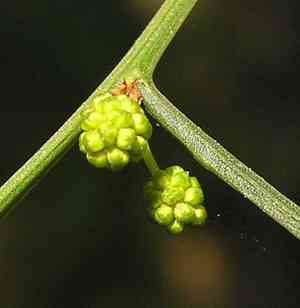
Acacia paradoxa, a robust shrub, is recognized for its thorny leaves and abundant yellow blossoms. Effective propagation is attainable via cuttings. Select vigorous, semi-lignified cuttings approximately 10-15 cm in length, and immerse the cut end in rooting compound prior to inserting them into a well-aerated propagation substrate. Maintain the cuttings in a warm, moist setting with diffused illumination until their root systems have developed. Diligent attention and perseverance will result in robust new specimens.
Optimal Period for Early Wattle Propagation
Propagation Method
Cutting
Propagation Period
Spring,Summer
Tools for Early Wattle Propagation
Pruning Shears
Utilized for obtaining cuttings from early wattle. The precise cuts made by sharp shears minimize the risk of disease and harm to both the cuttings and the parent plant.
Rooting Hormone
Aids in stimulating root development in early wattle cuttings. This is particularly crucial for enhancing success rates when propagating via cuttings.
Propagating Trays
Accommodates multiple early wattle cuttings securely, ensuring they remain upright and maintain good contact with the growth medium. This arrangement also allows for efficient space utilization and easy monitoring.
Sterile Growing Medium
Offers a pathogen-free environment for early wattle cuttings to establish roots. Common selections include perlite, vermiculite, and a blend of peat and sand.
Misting Bottle
Maintains high humidity levels around early wattle cuttings, preventing dehydration before root formation. Regular misting ensures the cuttings stay hydrated.
Heat Mat
Sustains a consistent and warm soil temperature, promoting quicker root development in early wattle. This is especially beneficial in cooler climates.
Humidity Dome
Covers the propagating tray to create a moist microenvironment, essential for reducing moisture loss and increasing the survival rate of early wattle cuttings.
Sharp Knife or Scalpel
Employed for making clean incisions on the stems of early wattle cuttings, ensuring minimal damage and a higher likelihood of rooting.
How to Propagate Early Wattle?
Propagation Difficulty
Moderately Difficult
Caring for Your Newly Propagated Early Wattle
Caring for Your Newly Propagated Early Wattle?
After propagation, ensure early wattle receives ample sunlight once established. Water sparingly, as early wattle tolerates drought. Apply native plant fertilizer occasionally to support growth. Prune lightly to maintain shape and encourage bushiness. Regularly check for pests and diseases, providing treatment as needed. Mulch around the base to retain soil moisture and suppress weeds.
Common Errors to Avoid When Propagating Early Wattle
Overwatering
Excessive moisture can lead to root rot and fungal infections, severely impeding early wattle's growth and survival.
Improper Soil Use
Utilizing soil that retains too much water and lacks proper drainage can result in root suffocation and stunted growth.
Ignoring Seed Preparation
Failure to pre-treat seeds, such as through scarification, lowers germination rates as early wattle seeds possess a hard, impermeable coat.
Inadequate Light Conditions
Insufficient sunlight can hinder growth and weaken the plant, as early wattle thrives in full sun.
Tips For Propagating Early Wattle
Controlled Watering
Water early wattle sparingly, ensuring the soil is moist but not waterlogged to prevent root rot.
Well-Draining Soil
Use a sandy or loamy soil mixture to ensure good drainage, which is vital for root health and overall plant vigor.
Seed Scarification
Physically damage the seed coat or soak seeds in hot water for better germination results due to early wattle's hard seed coat.
Ample Sun Exposure
Position propagating plants in an area with abundant sunlight to support robust growth and strengthen the seedlings.



